


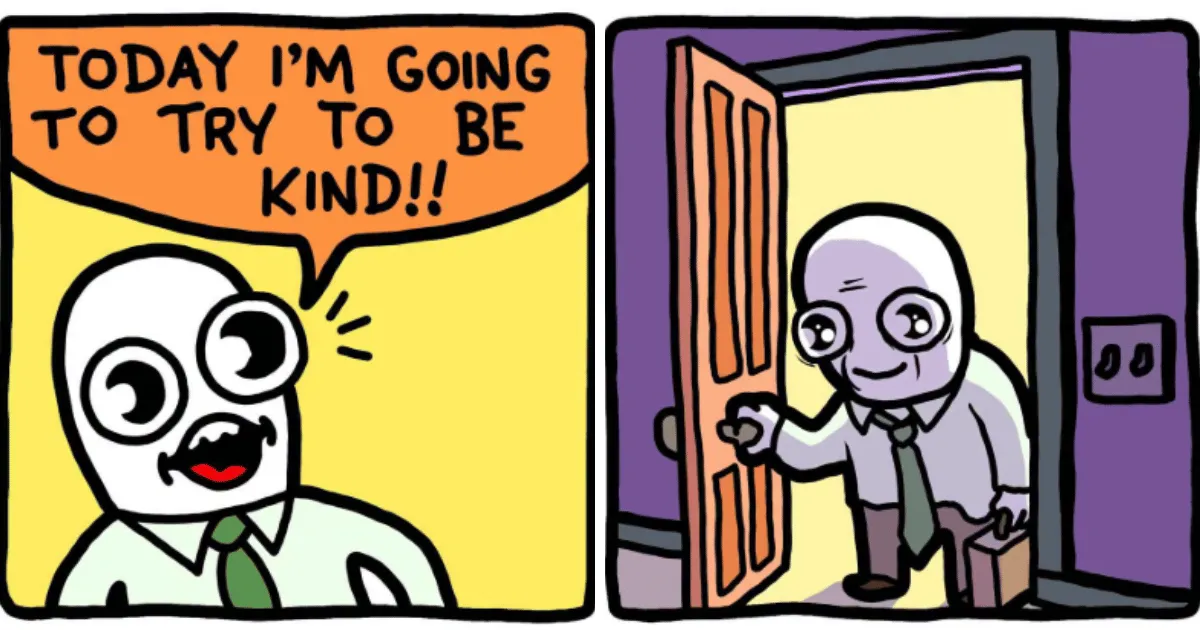
Quick Answer: This collection of 20 Extra Fabulous Comics by Zach M. Stafford turns ordinary moments into dark humor. Coffee talks back, a clown visit becomes a business plan, and a glowing sword triggers fantasy-world panic. Friendly colors and loose outlines soften the first impression, while blunt dialogue pushes toward the grotesque. Stafford described riffing from observed conversations panel by panel in a 2023 interview. The strips jump from family friction to fantasy parody without a shared storyline. Highlights include the placebo gag puncturing a researcher's authority and a final phone-scroll confession.
In this set of 20 Extra Fabulous Comics, everyday annoyances mutate quickly: coffee talks back, a clown visit becomes a business plan, and a glowing sword sparks an embarrassing fantasy-world panic. Friendly colors and loose outlines soften the first impression; blunt dialogue steers it toward the grotesque.
The work is credited to Zach M. Stafford on the official Extra Fabulous Comics site. In a 2023 interview, Stafford described riffing from observed conversations panel by panel—a useful context for a collection jumping from family friction to fantasy parody without a shared storyline.
#1
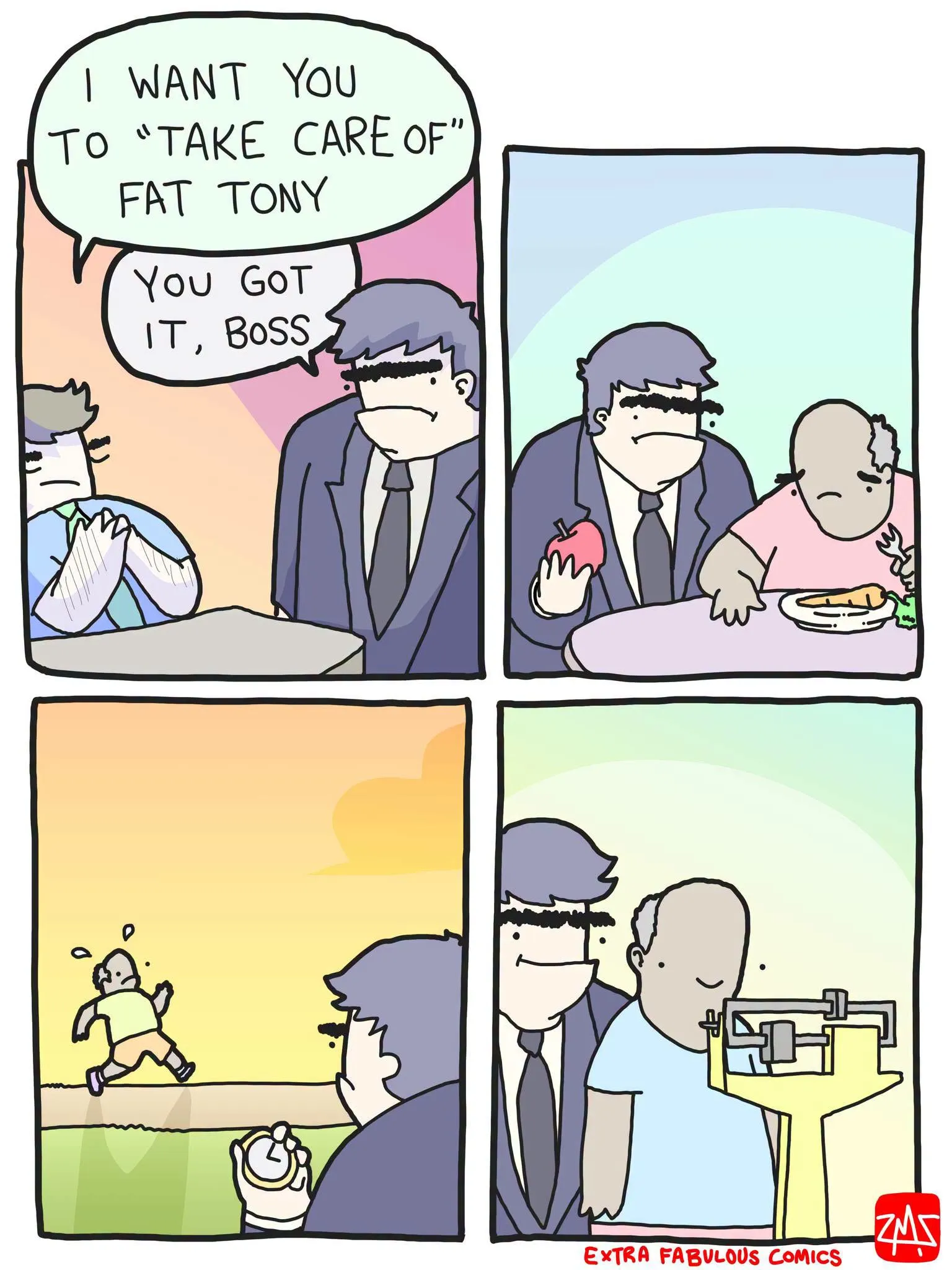
The first strip’s joke shifts from protection to surveillance: the suited minder seems assigned to manage Tony’s body, not just keep him safe.
#2
#3
#4
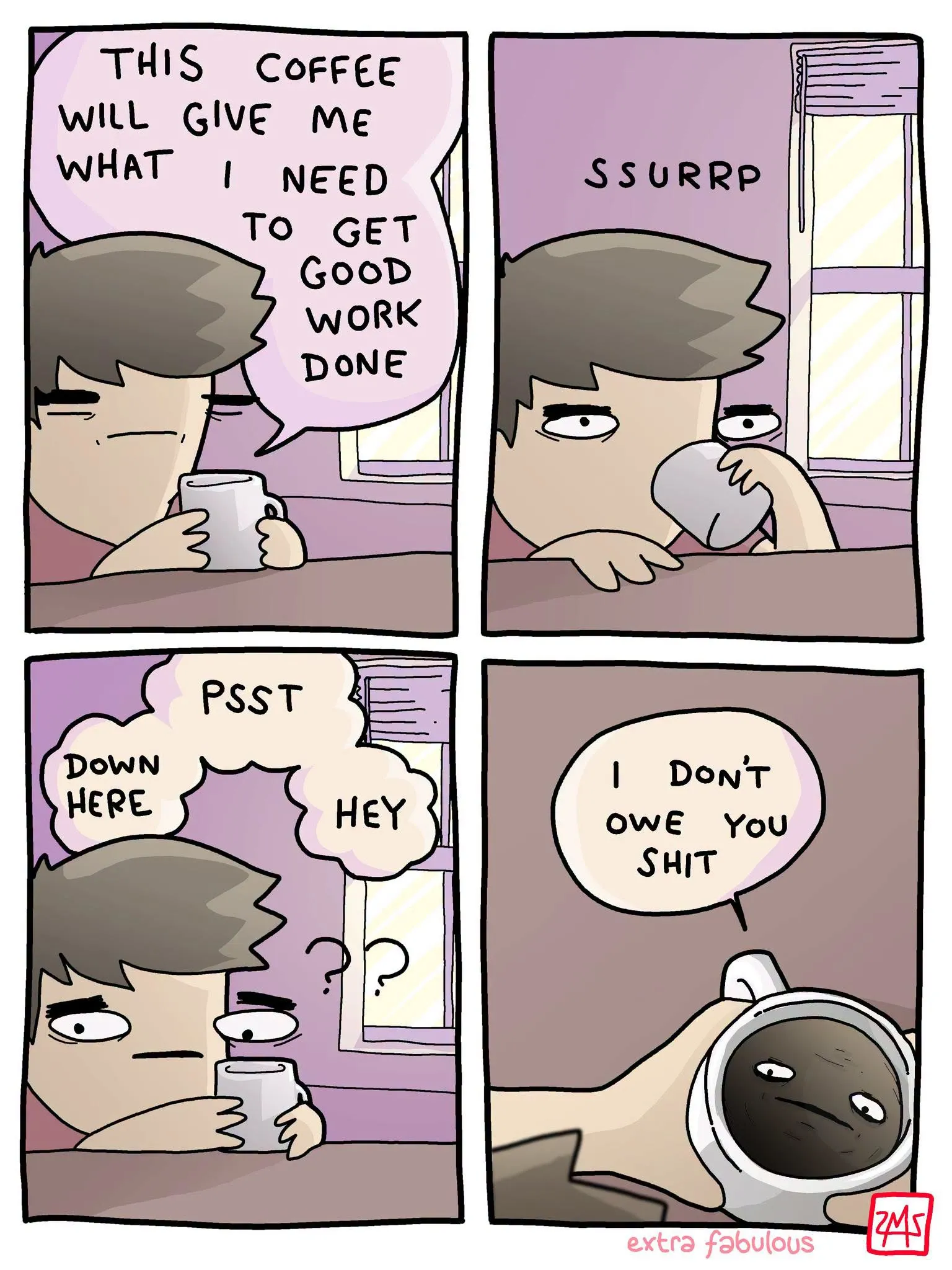
The coffee cup’s face turns the sleepy monologue into a one-sided relationship: the caffeine has listened long enough and finally answers back.
#5
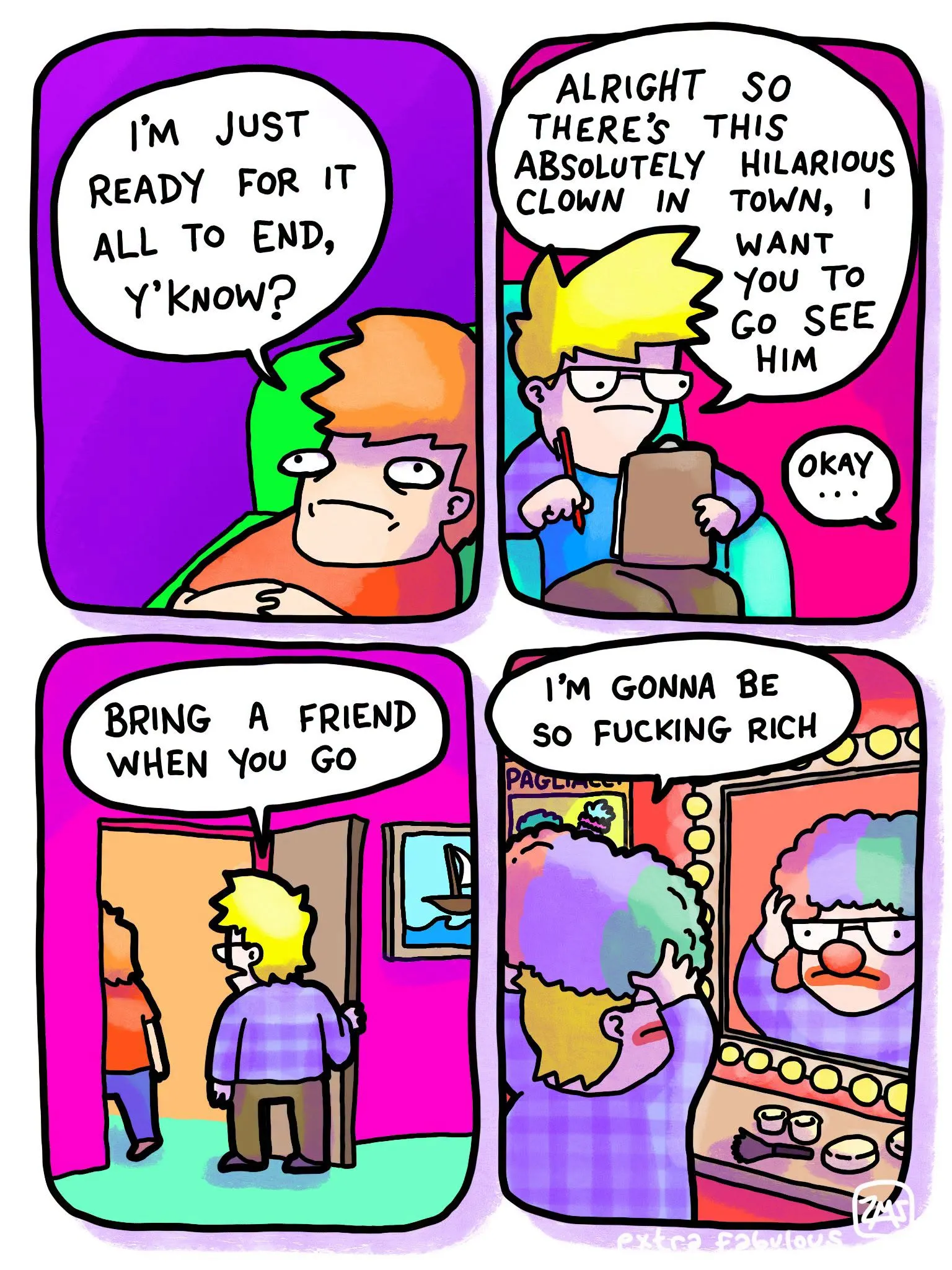
The mirror reveal pivots from despair to a sudden business fantasy before the character has even stepped outside.
#6
#7
#8
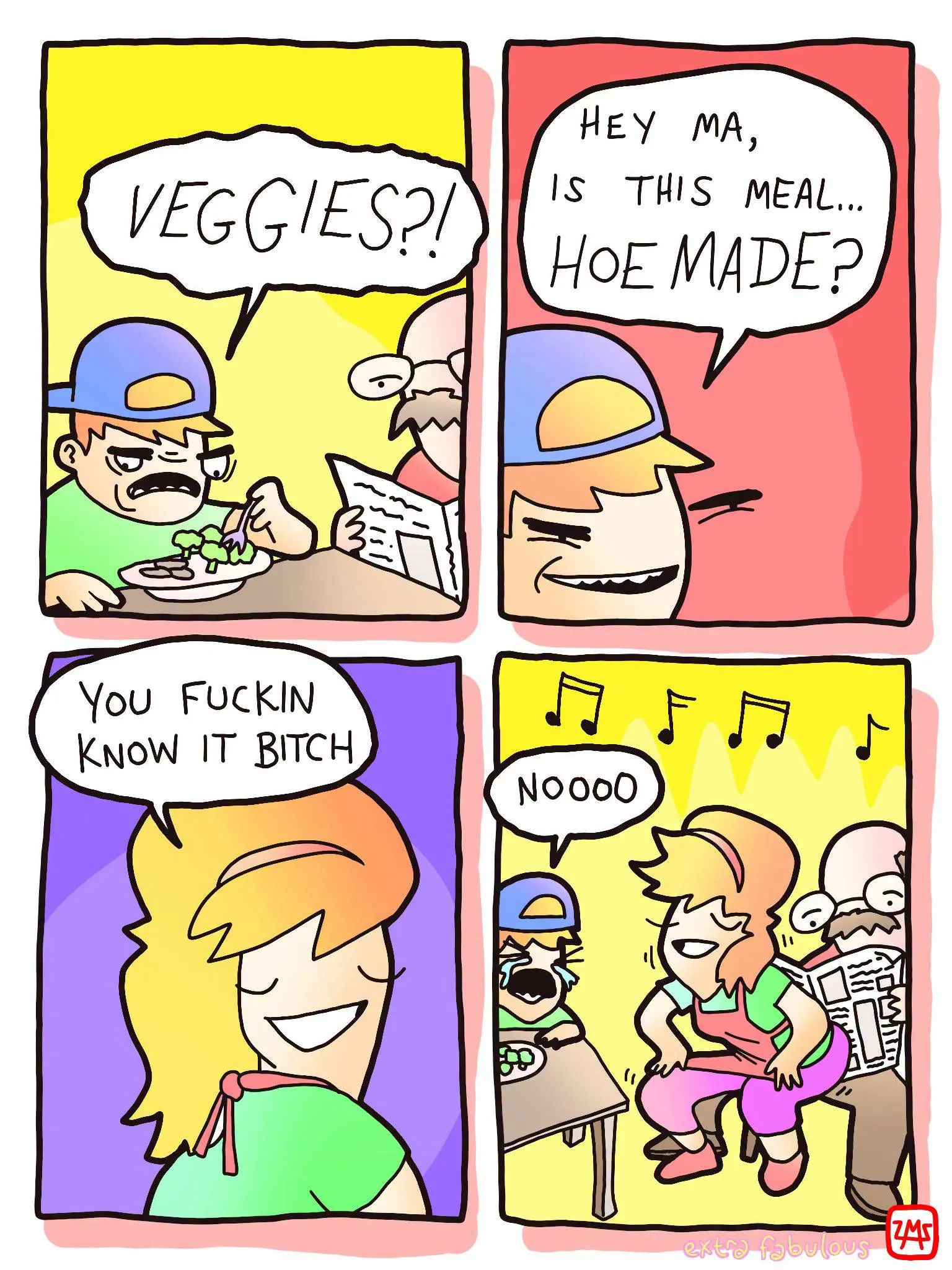
A dinner-table complaint becomes a wordplay trap, with the final panel letting physical movement finish the insult.
#9
#10
#11
#12
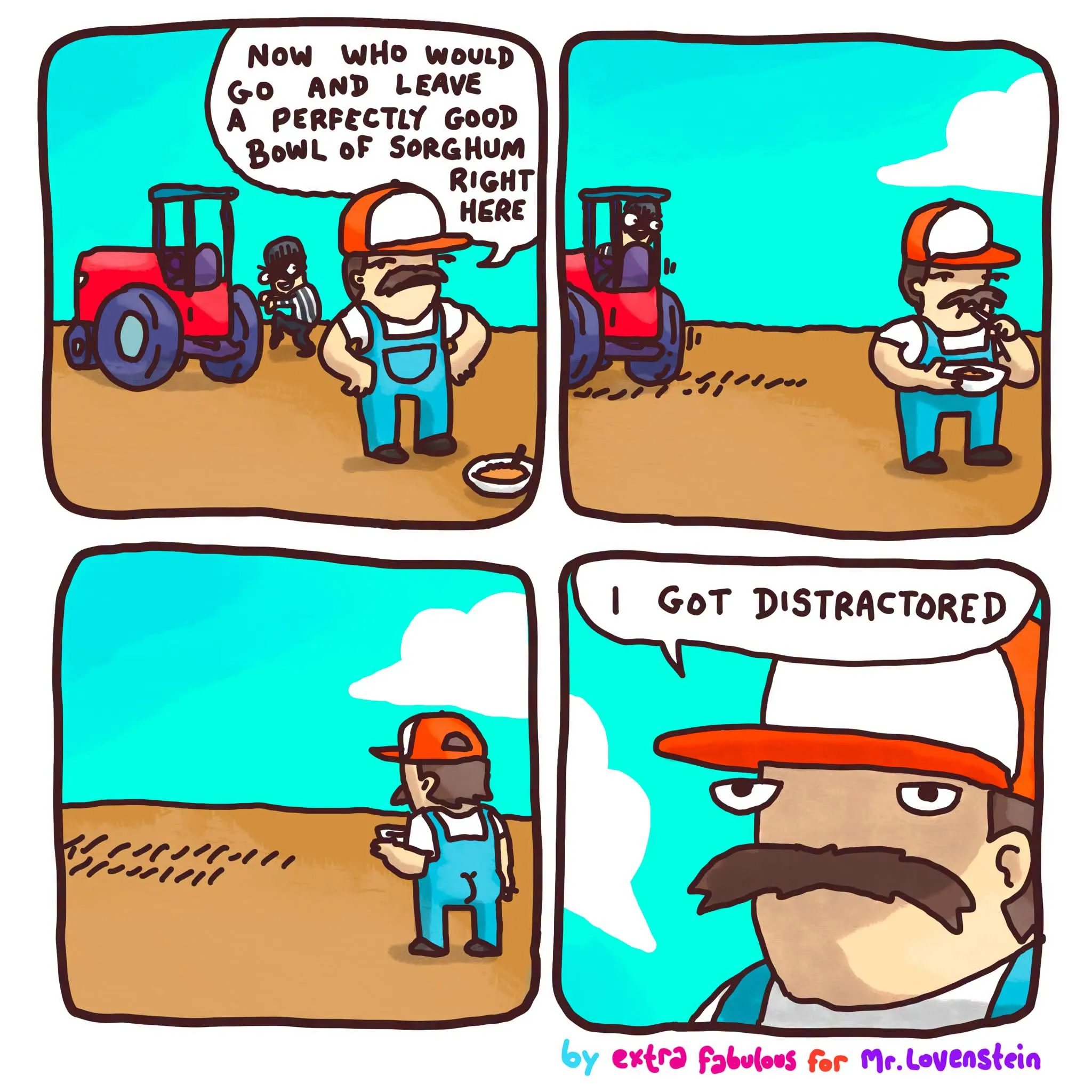
#13
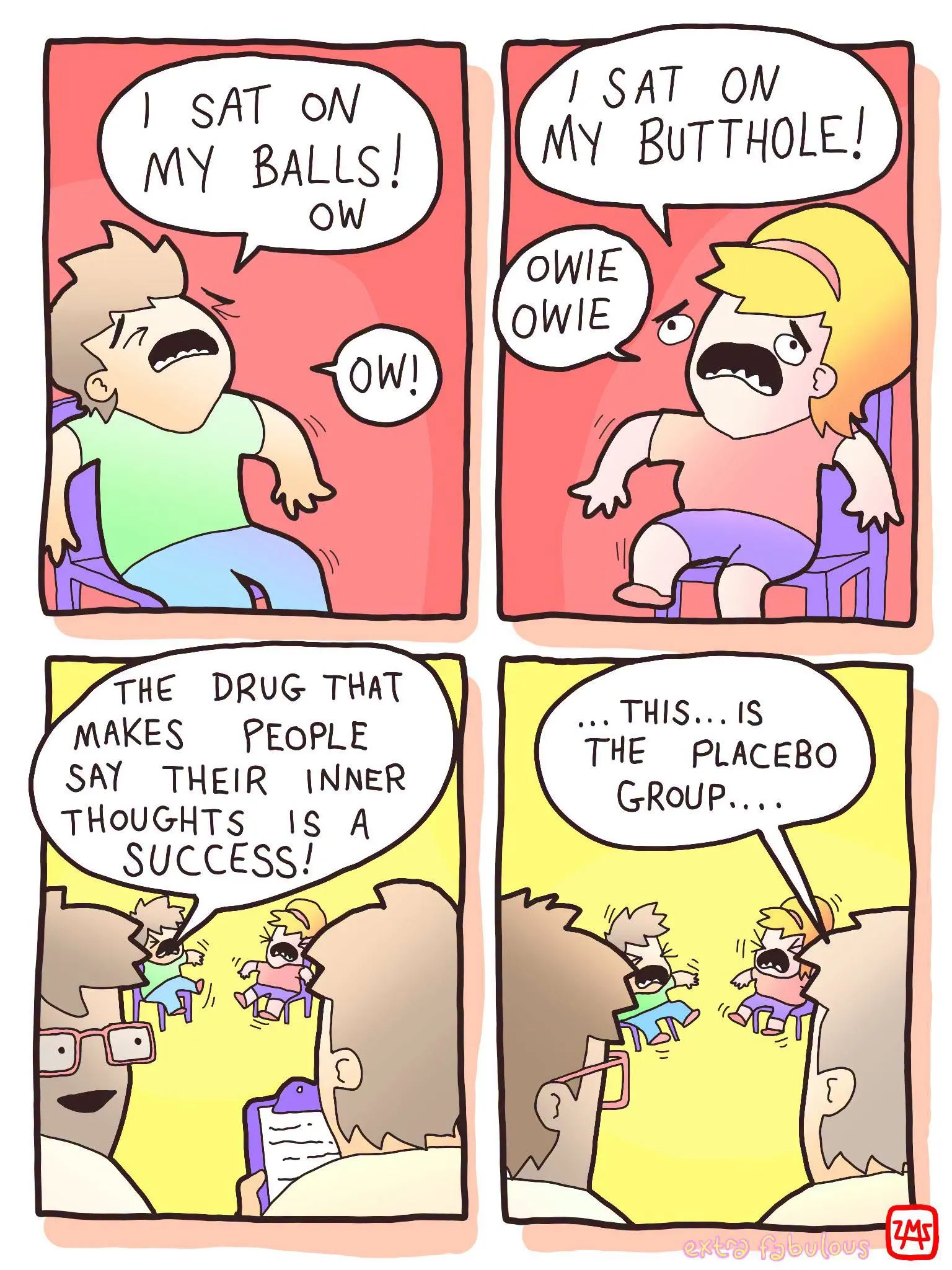
The placebo gag punctures the researcher’s authority: the supposed effect turns out to be the participants saying what they think.
#14
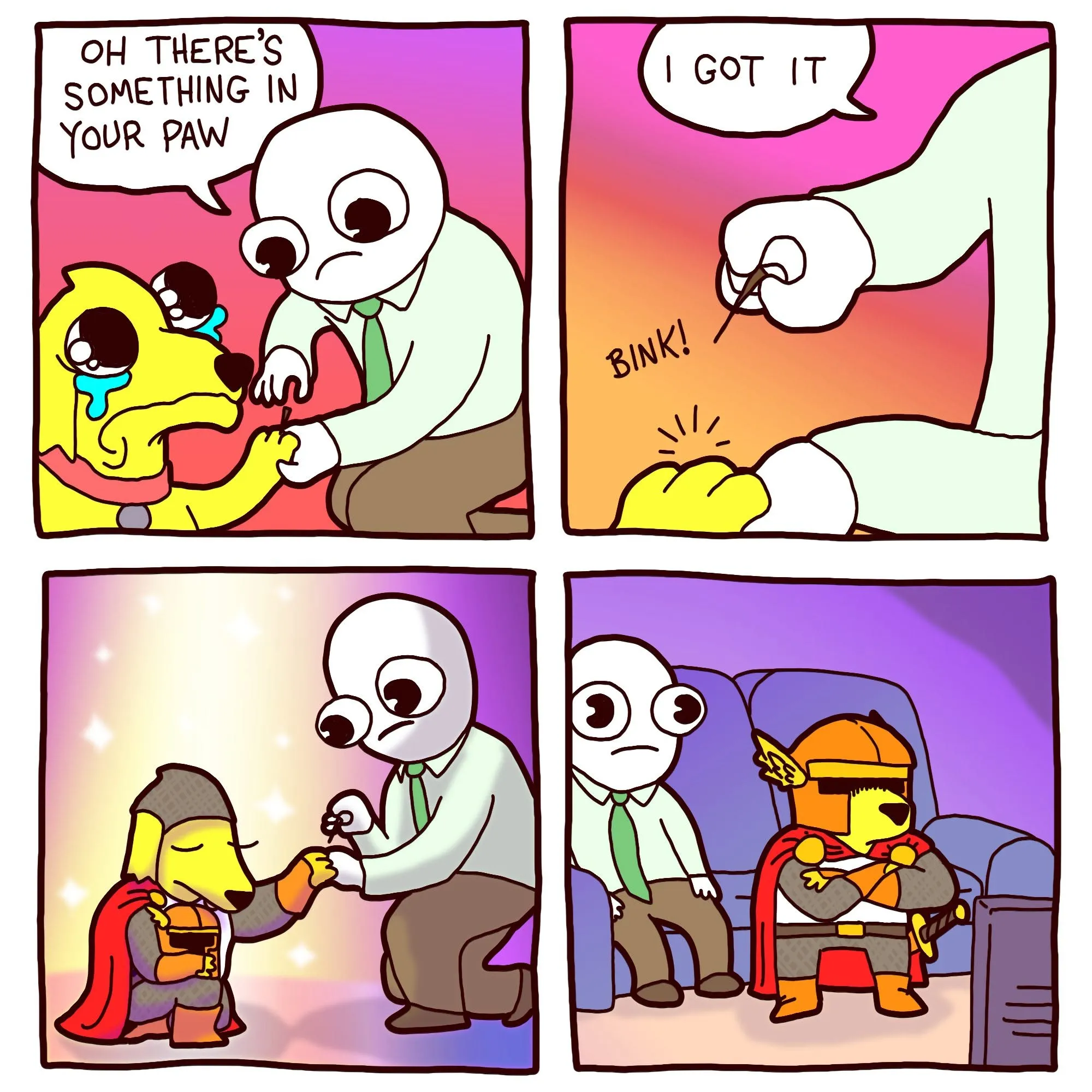
#15
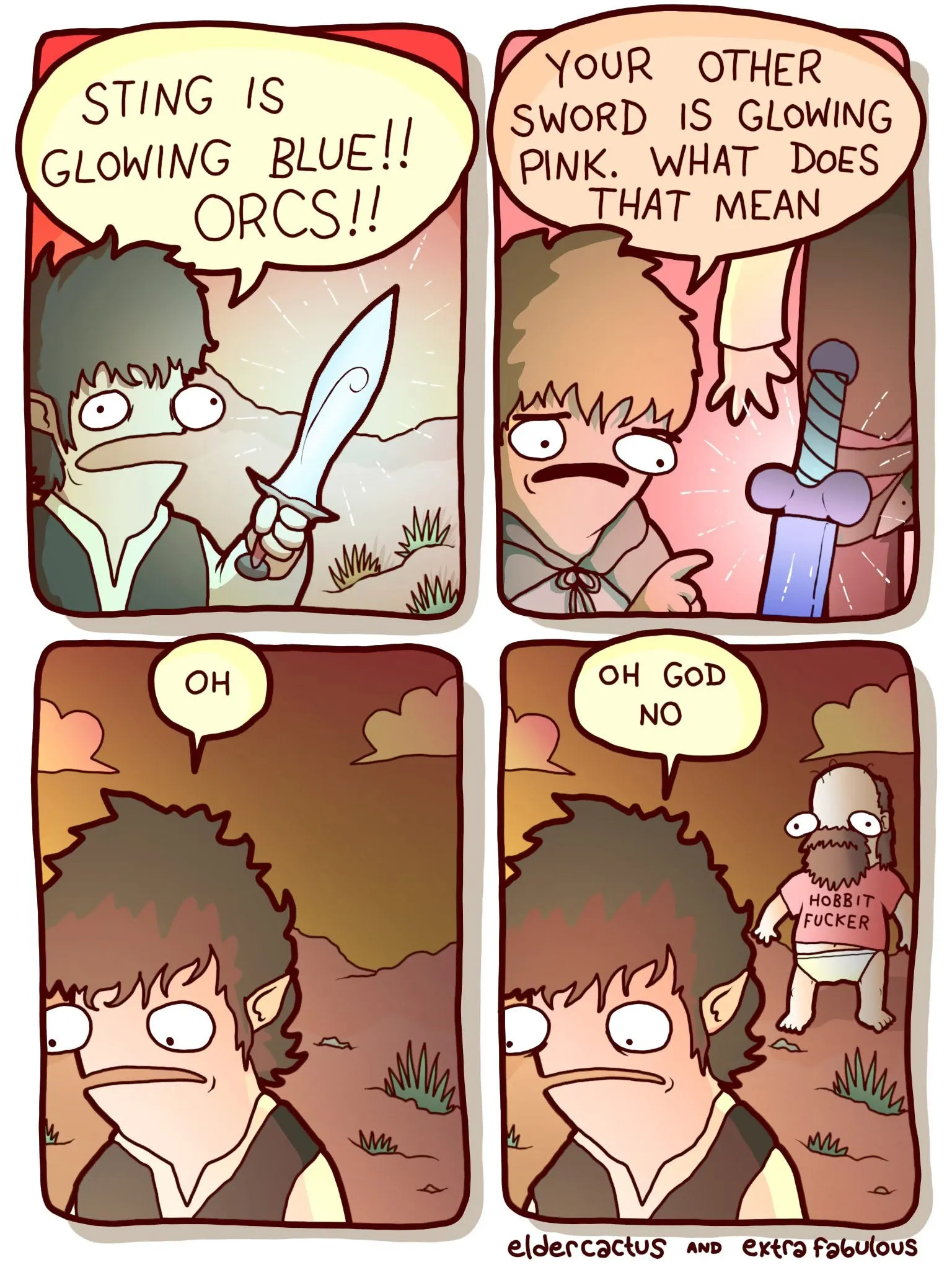
A fantasy sword’s color derails the serious setup; the final shirt makes the implication impossible to miss.
#16
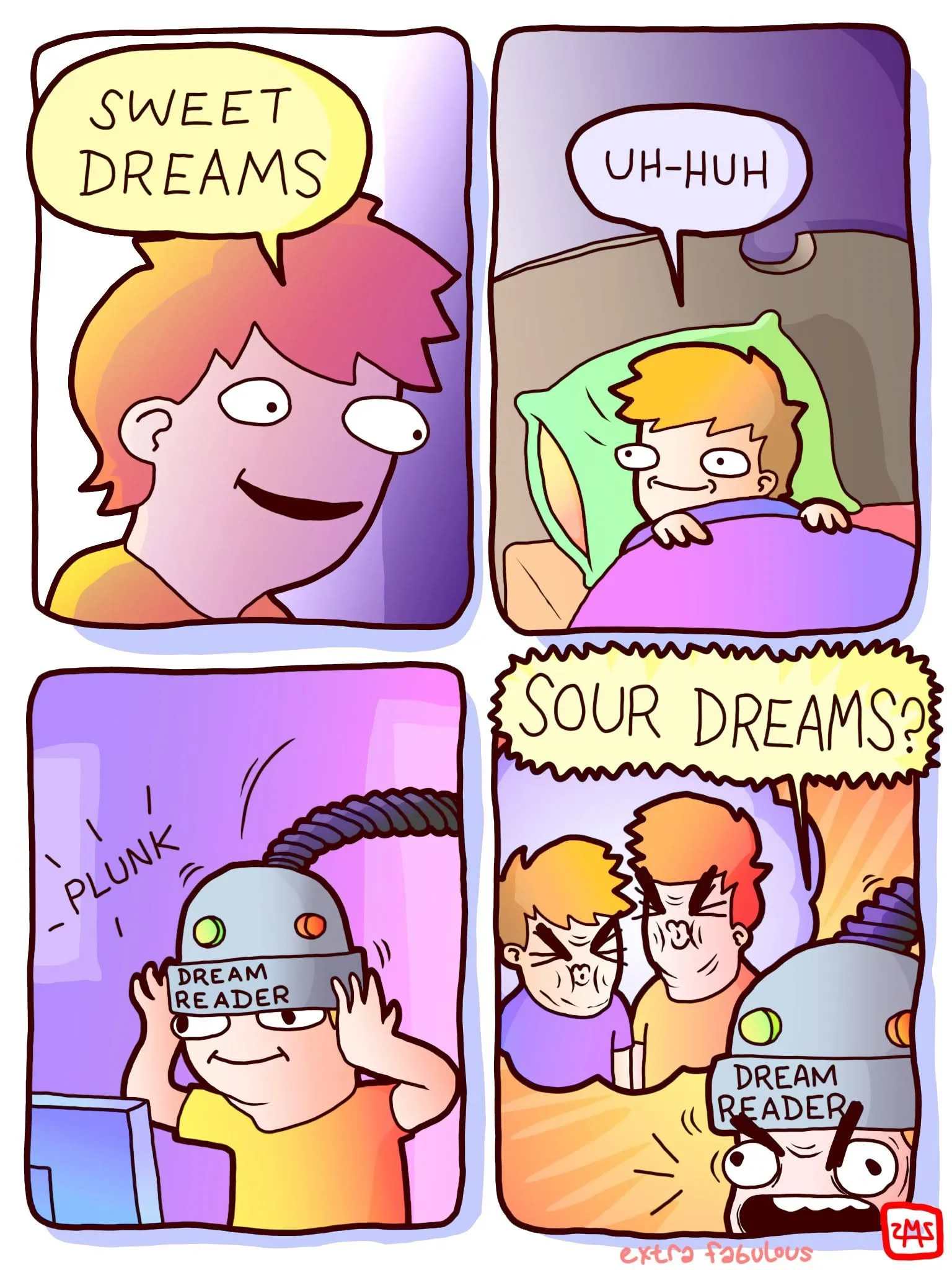
#17
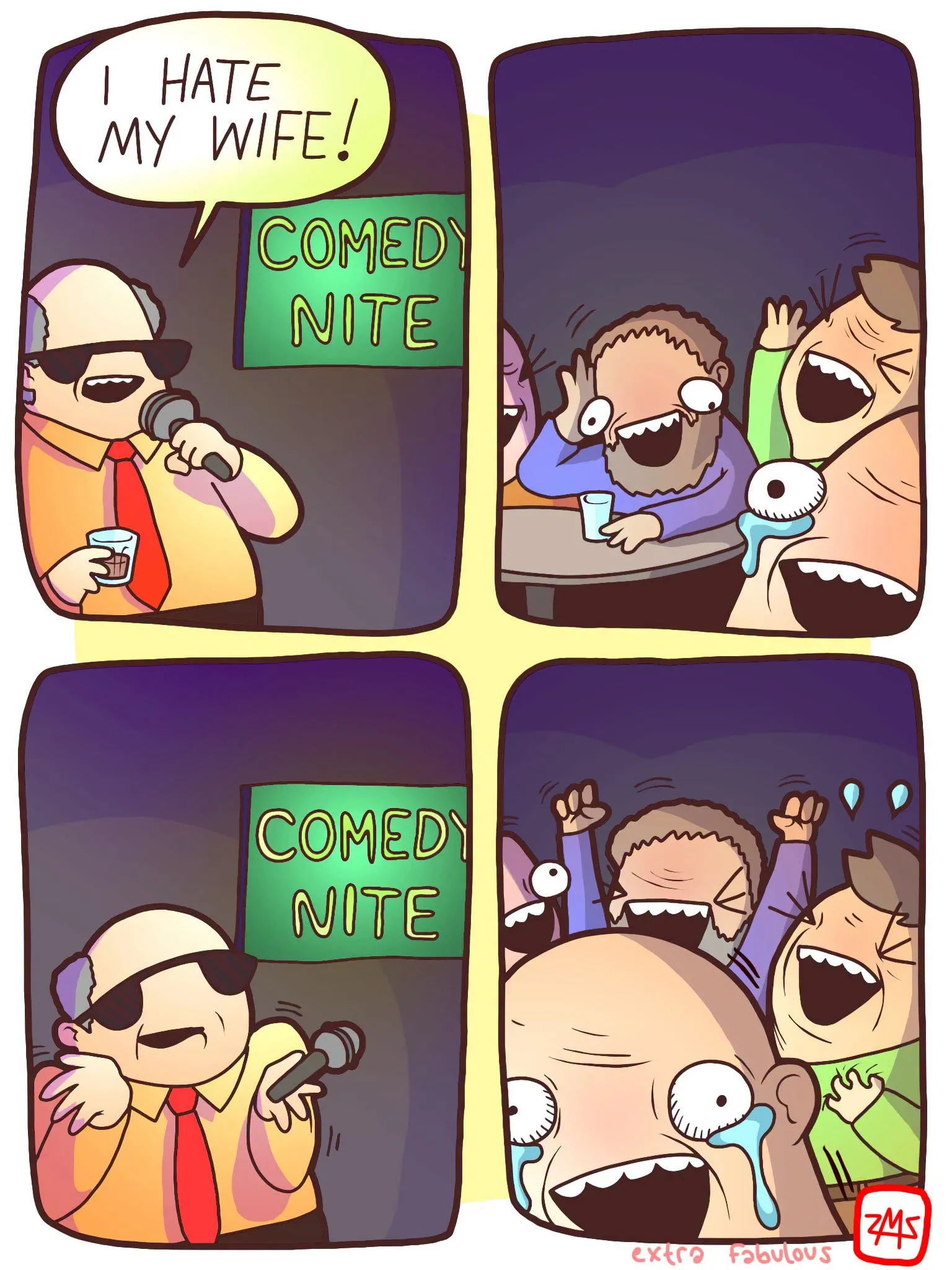
The performer barely changes his delivery, yet laughter grows—at the familiar marriage joke and the crowd’s predictable cue.
#18
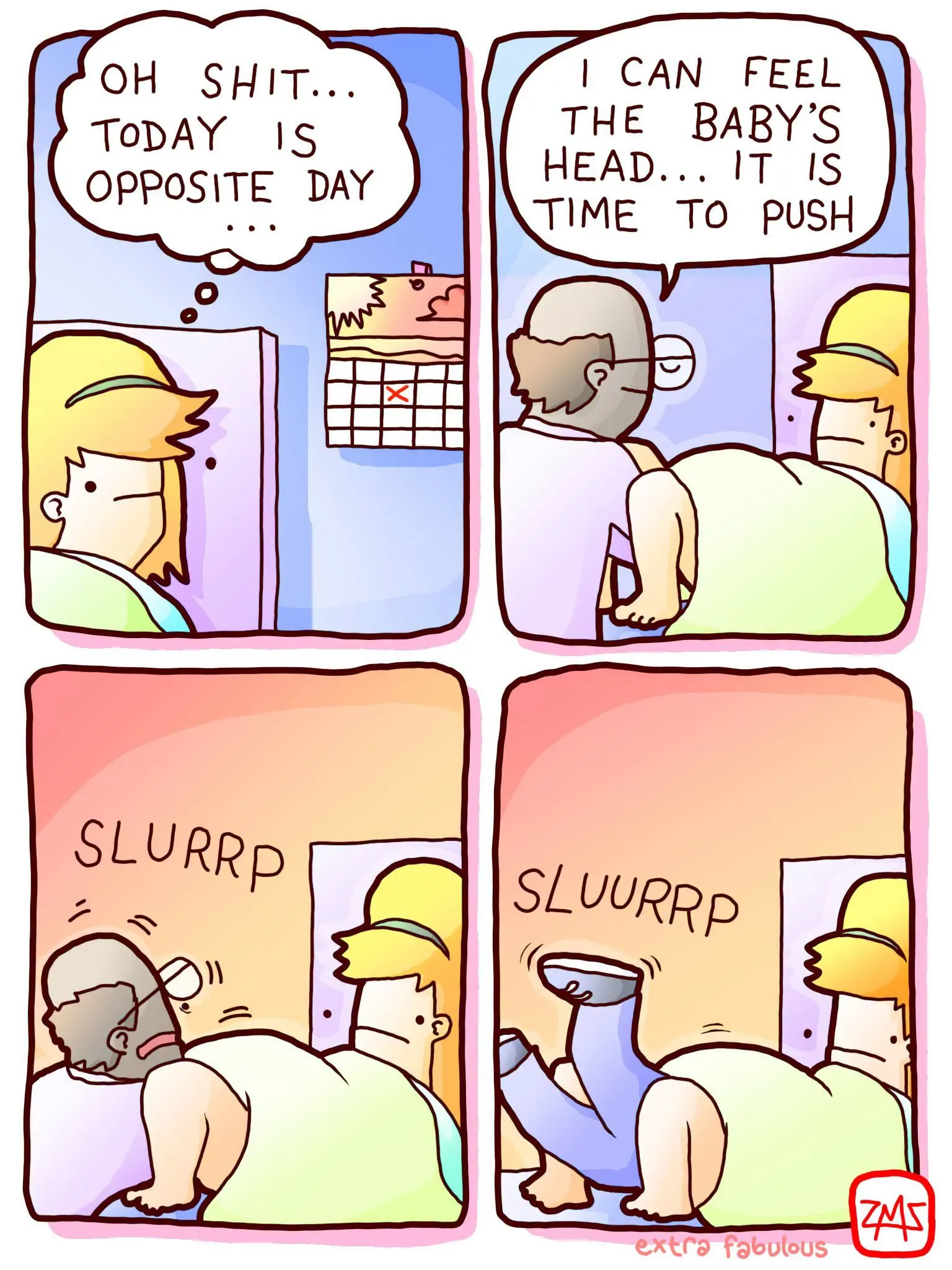
#19
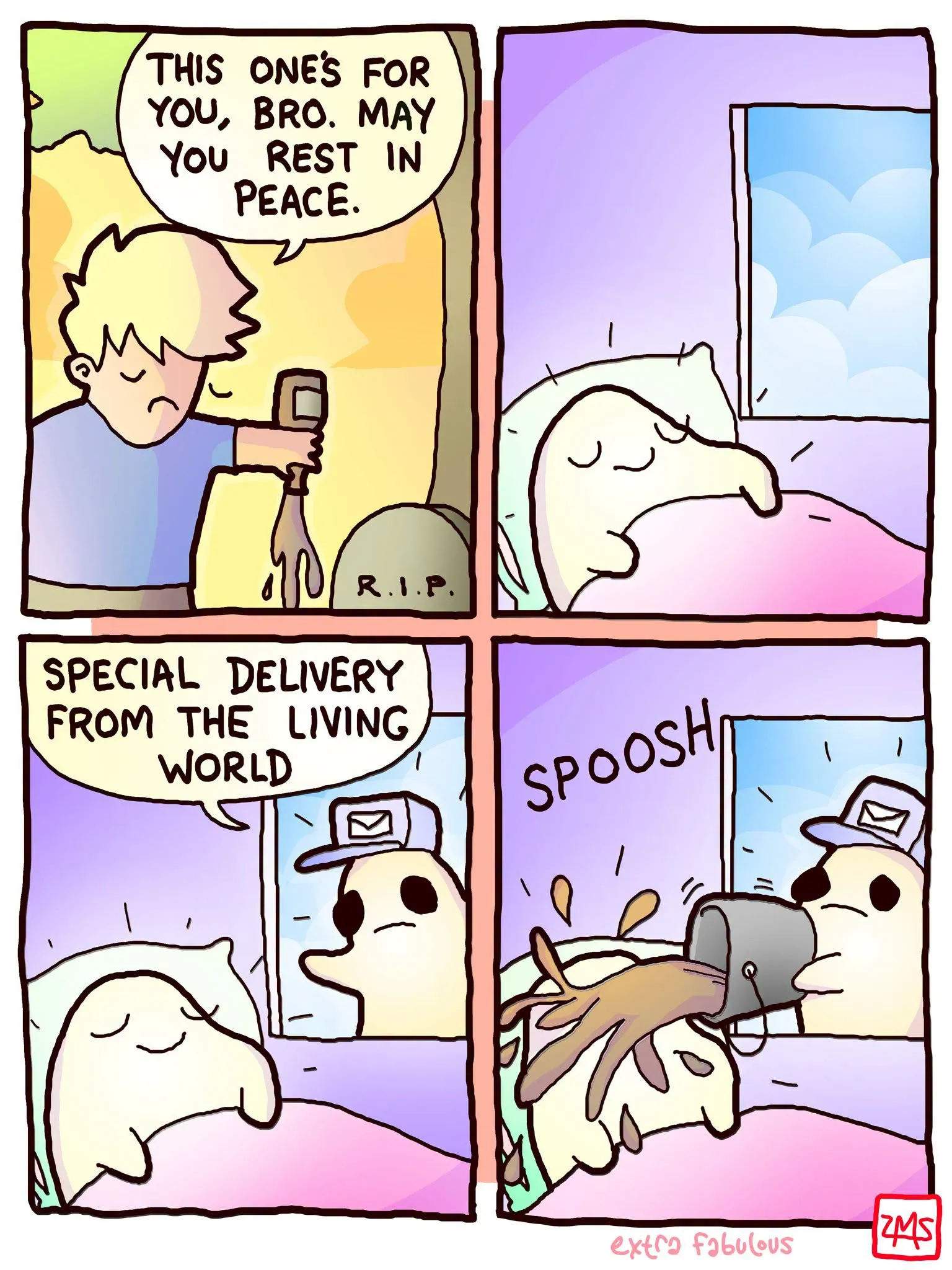
#20
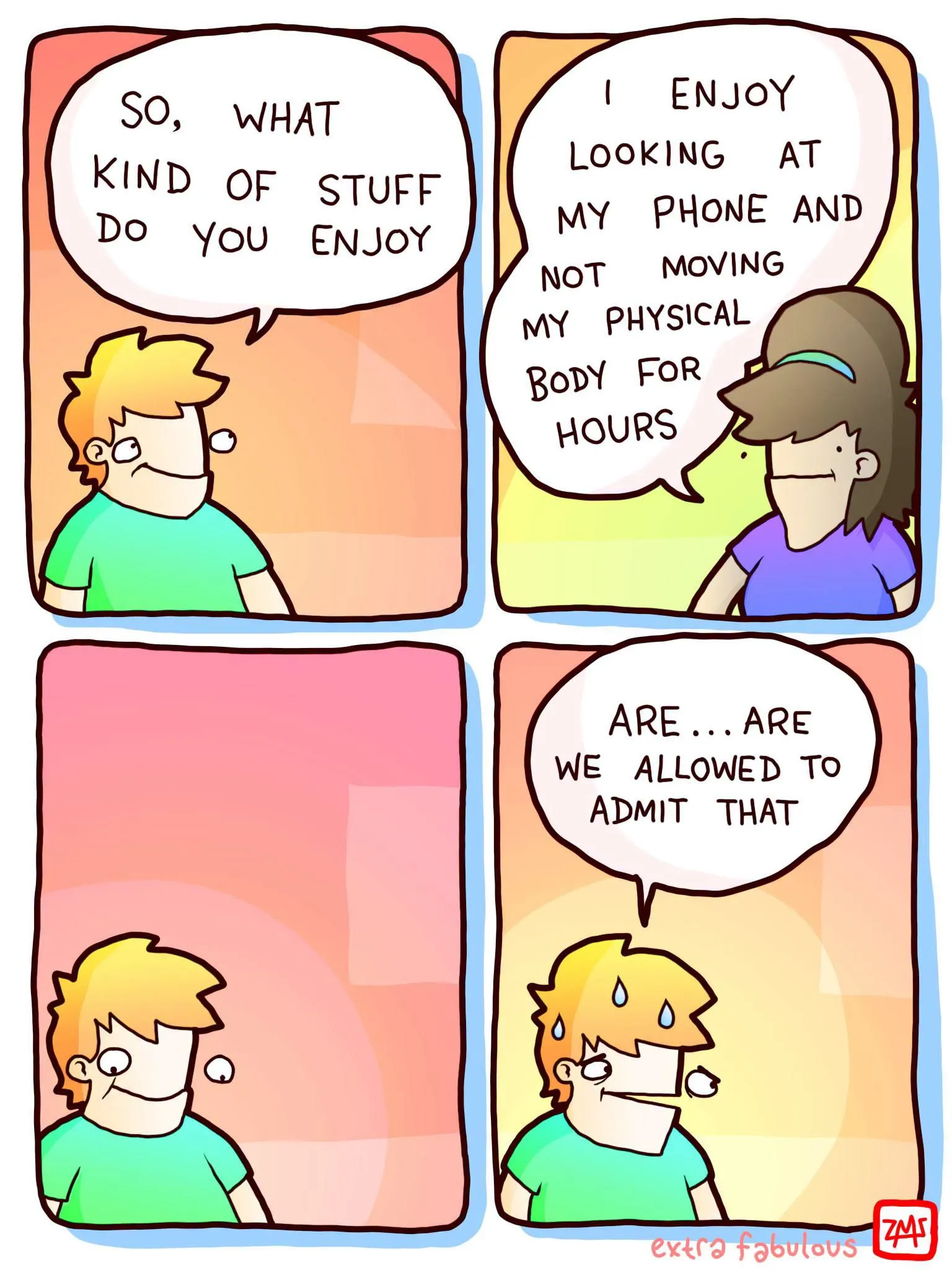
After the larger grotesque reversals, the last strip lands on a smaller confession: the body stays still while the scroll continues.
Who is Zach M. Stafford?
The official Extra Fabulous Comics website credits the series to Zach M. Stafford and links to an archive, shop, and Patreon. In a 2023 interview, Stafford described an improvisational approach and a reluctance to over-edit a joke. His supplied Facebook profile offers another place to follow the work; this feature does not imply a new interview.
Which punchline stays with you?
Which strip stays with you: the talking coffee, the glowing sword, or the phone-scroll confession? Tell us in the comments, then browse our earlier Extra Fabulous collection for another look at Stafford’s dark humor.
Key Data & Statistics
The article presents a set of 20 Extra Fabulous Comics.
The work is credited to Zach M. Stafford on the official Extra Fabulous Comics site.
In a 2023 interview, Stafford described riffing from observed conversations panel by panel.
The official Extra Fabulous Comics website links to an archive, shop, and Patreon.
Frequently Asked Questions
Who is credited with creating Extra Fabulous Comics?
The official Extra Fabulous Comics website credits the series to Zach M. Stafford. The site also links to an archive, shop, and Patreon, and his supplied Facebook profile offers another place to follow the work.
How does Stafford describe his approach to writing the comics?
In a 2023 interview, Stafford described riffing from observed conversations panel by panel. He also described an improvisational approach and a reluctance to over-edit a joke, which helps explain the collection's jumps between family friction and fantasy parody.
What happens in the comic about the coffee cup?
The coffee cup's face turns the sleepy monologue into a one-sided relationship. The caffeine has listened long enough and finally answers back, steering the friendly setup toward blunt, grotesque dialogue.
Why does the collection jump between unrelated topics without a shared storyline?
The strips move from family friction to fantasy parody without a shared storyline because each joke is built from observed conversations, riffed panel by panel. Friendly colors and loose outlines soften the first impression before blunt dialogue steers it toward the grotesque.
What does the final strip in the collection depict?
After the larger grotesque reversals, the last strip lands on a smaller confession: the body stays still while the scroll continues. It closes the set on a quieter, everyday moment rather than a big twist.


