


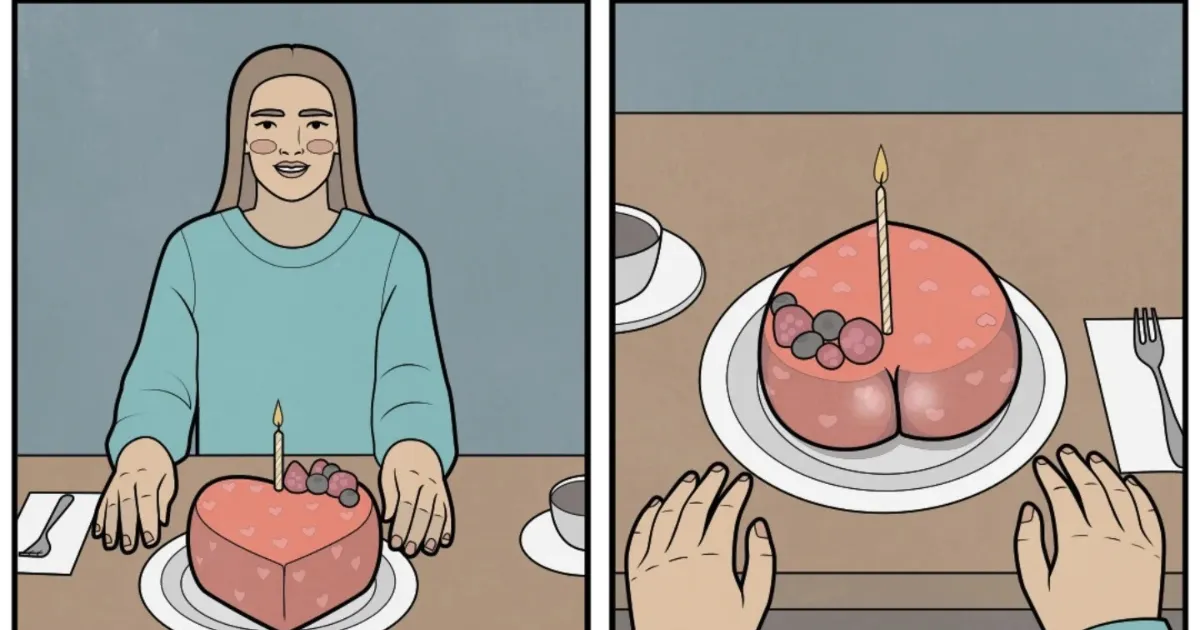
Quick Answer: Anton Gudim's "Yes, But" comics use paired panels: the left sets up an appealing promise, the right reveals the inconvenient catch. This collection applies that reversal to airport queues, watches, travel, fitness, and social expectations. Muted drawings make each scene easy to scan, while the repeated "YES, BUT" labels reframe how it reads. The punchline usually comes from a small shift in context rather than dialogue. Gudim revisited the format after its 2016 debut, returning to it in 2021, exposing the gap between first impressions and reality.
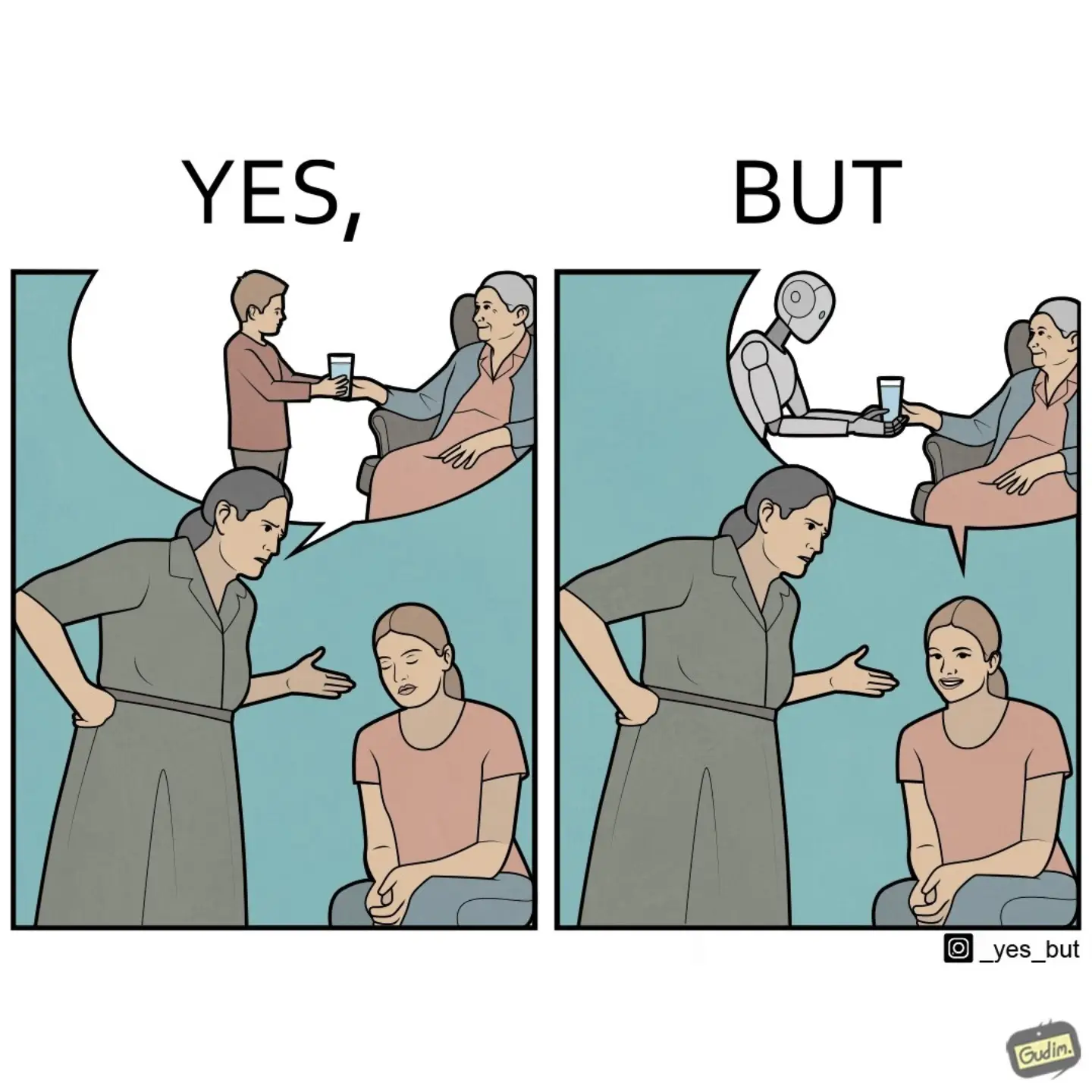
Anton Gudim’s “Yes, But” comics set up a promise in the left panel, then reveal the catch on the right. This batch finds that reversal in airport queues, watches, travel, fitness, and social expectations.
The muted drawings are easy to scan, but the repeated “YES, BUT” labels change how each scene reads. One small shift in context—not a long exchange of dialogue—usually supplies the punchline.
More Info: Instagram
What does comic #1 show?
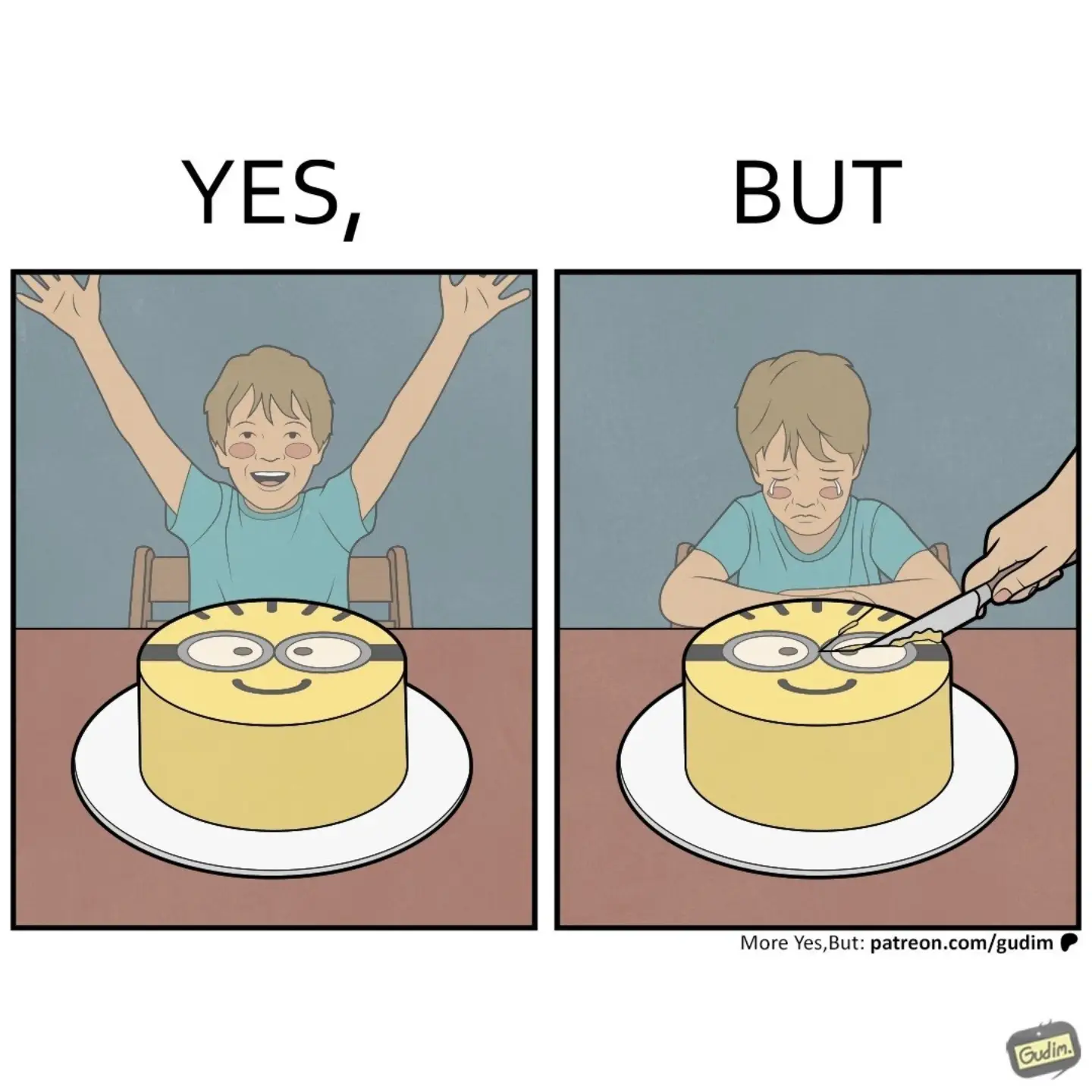
What does comic #2 show?
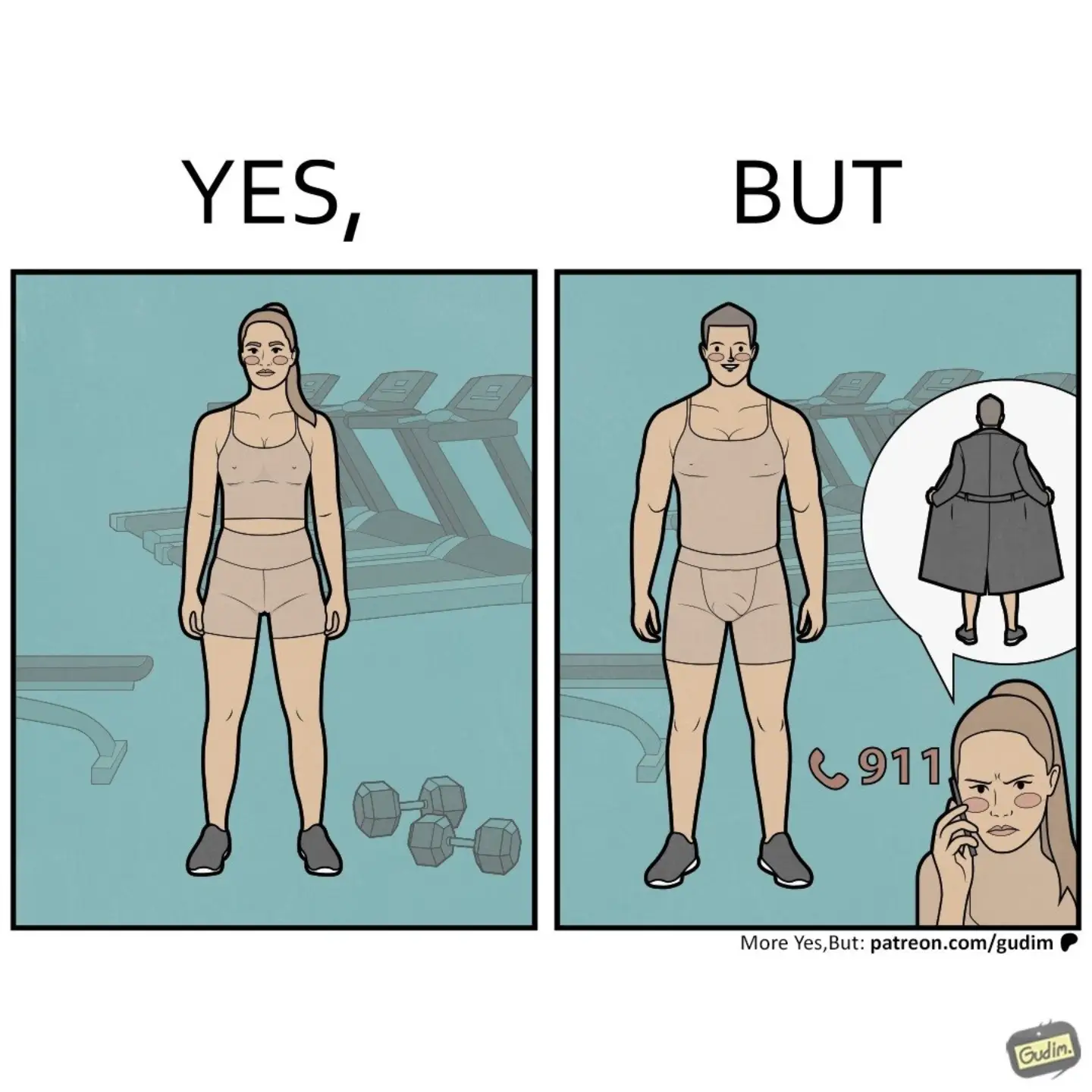
What does comic #3 show?
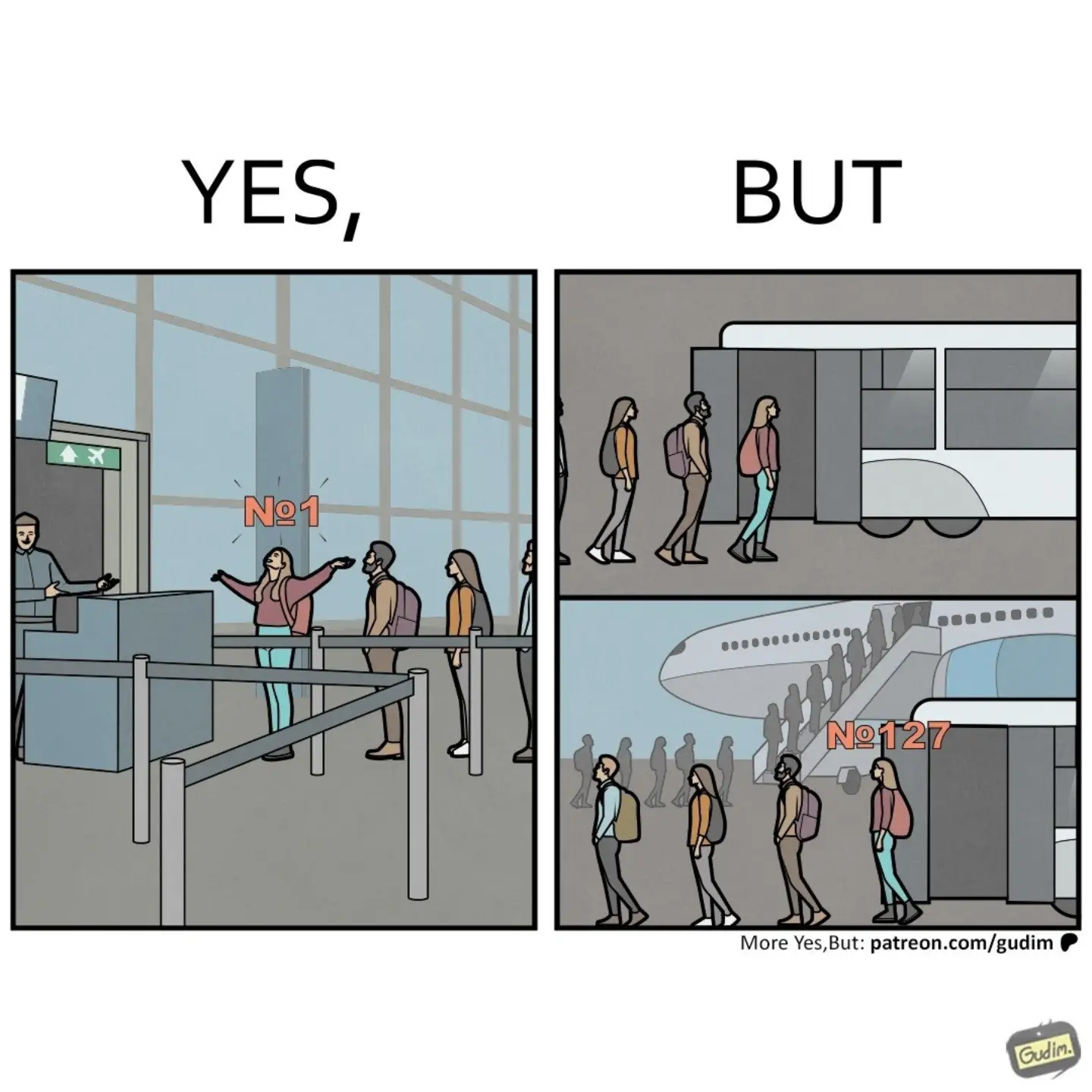
The first queue is only one hurdle; the boarding line turns the traveler’s “No. 1” into a temporary victory.
What does comic #4 show?
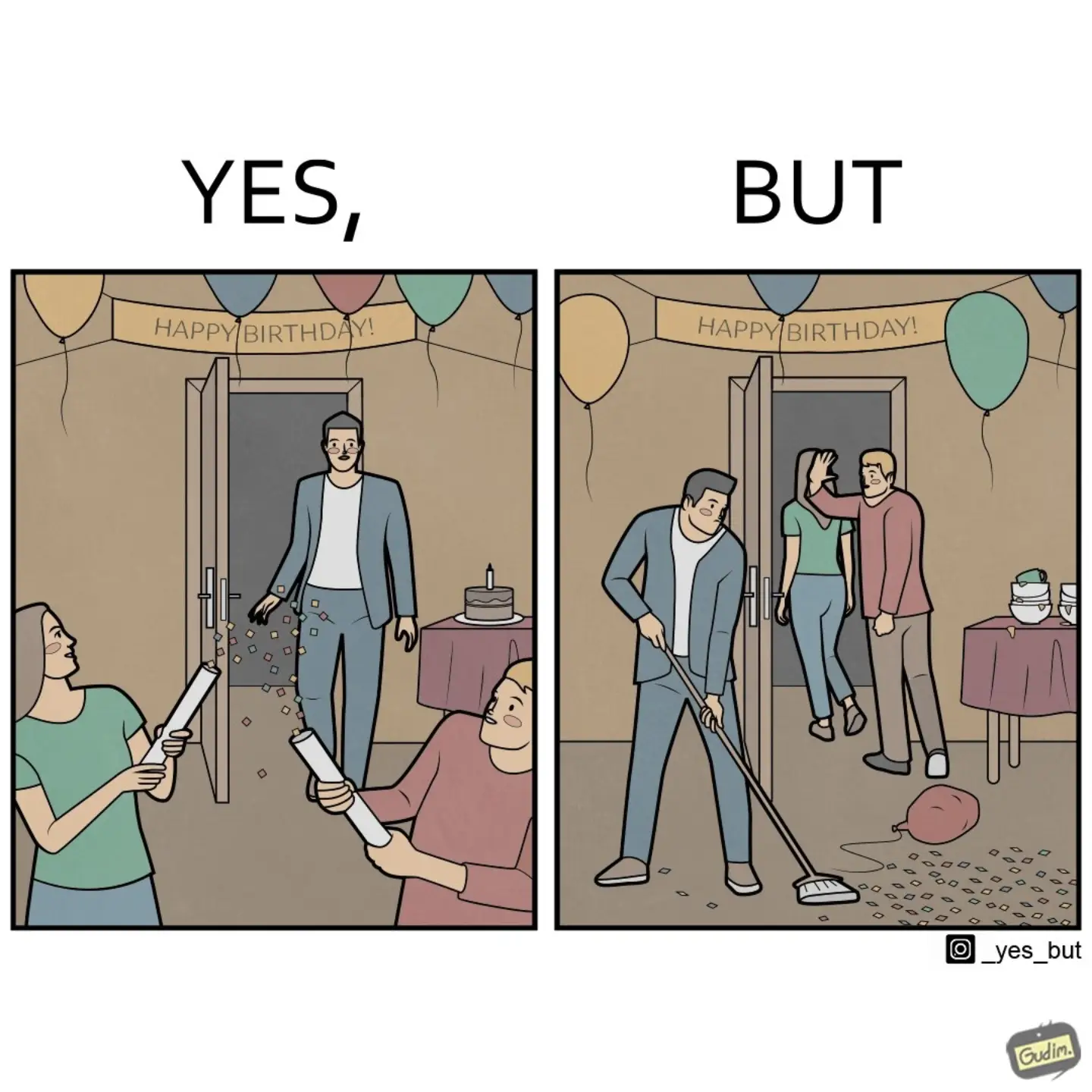
What does comic #5 show?
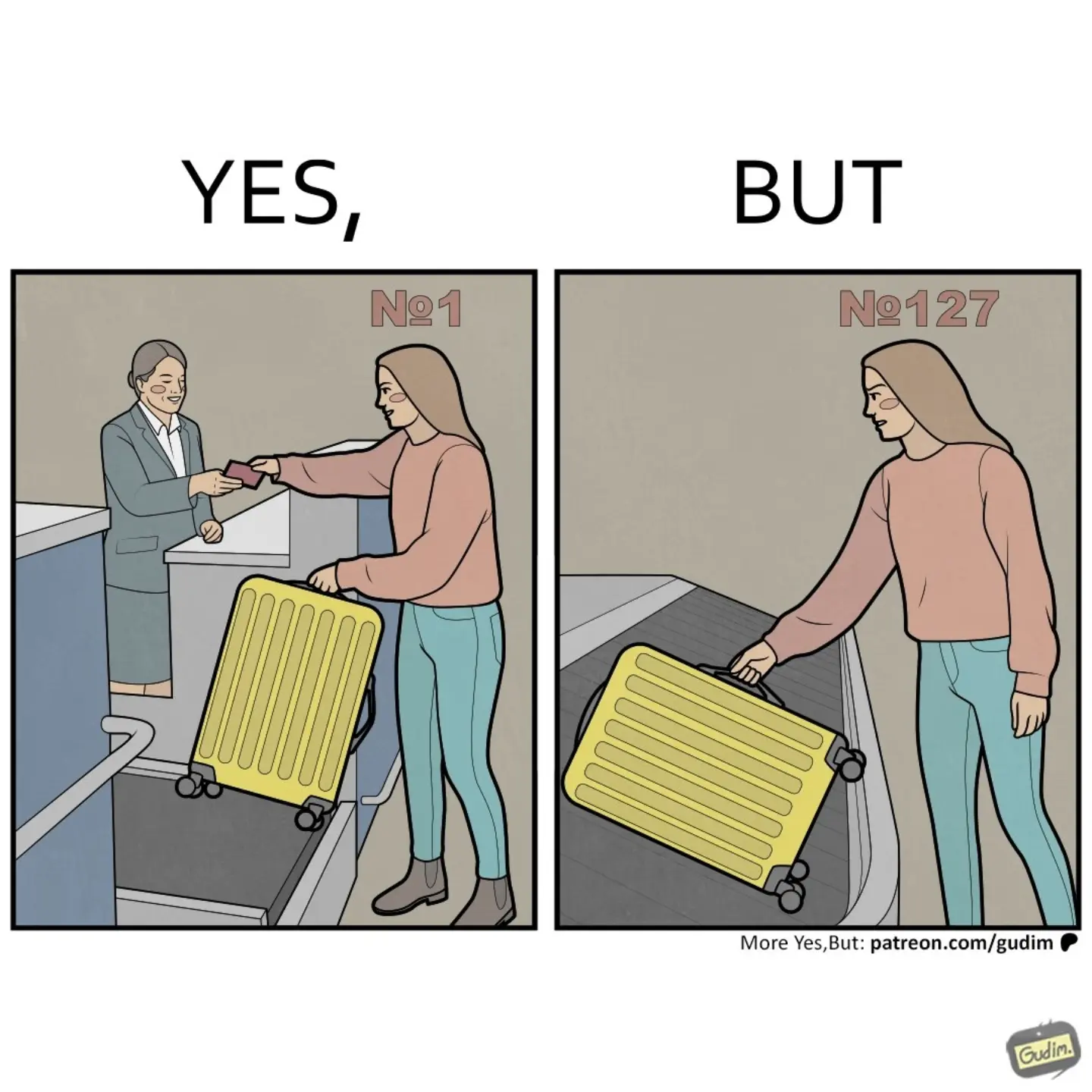
What does comic #6 show?
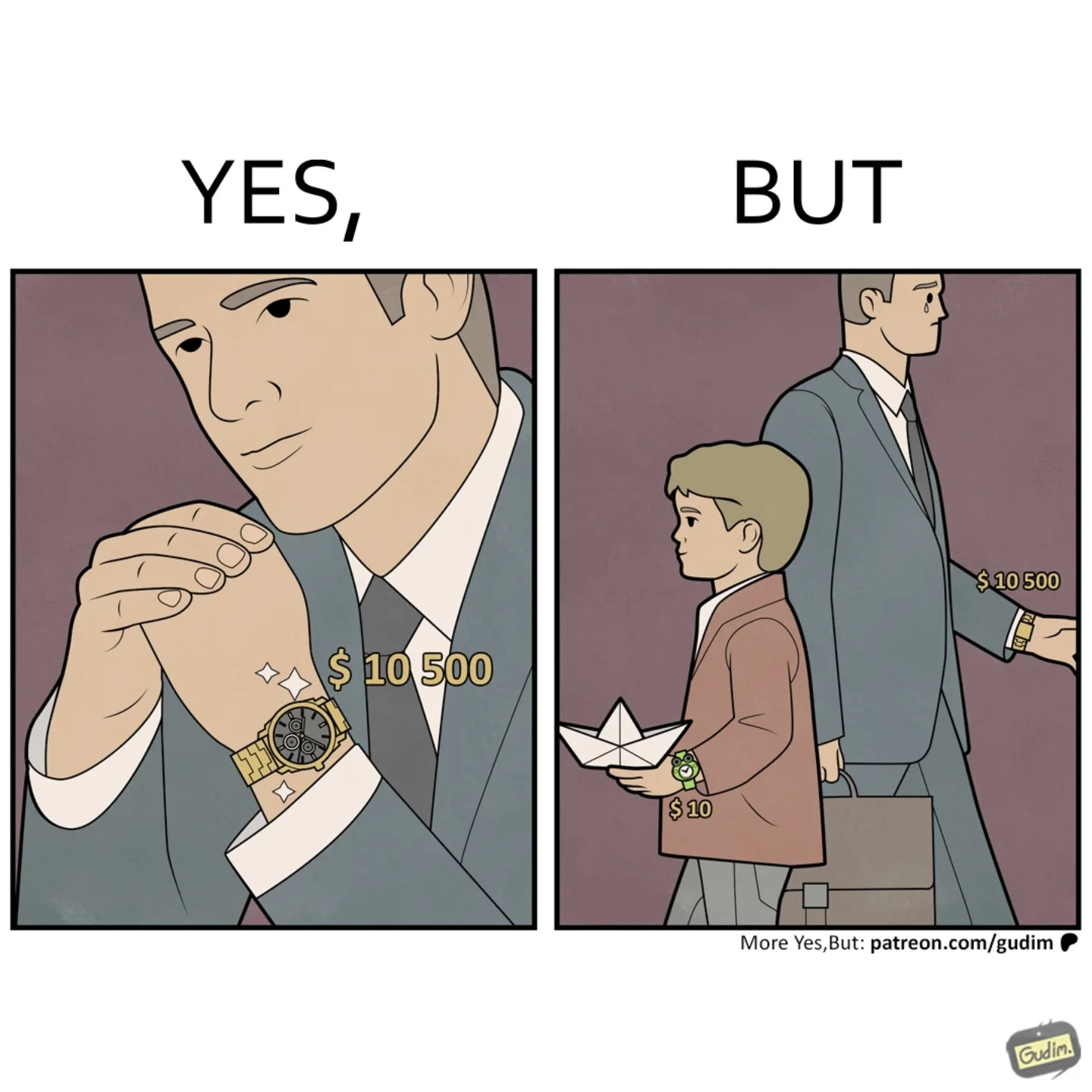
Two price labels carry the joke: a $10,500 watch beside a child’s $10 watch and paper boat.
What does comic #7 show?
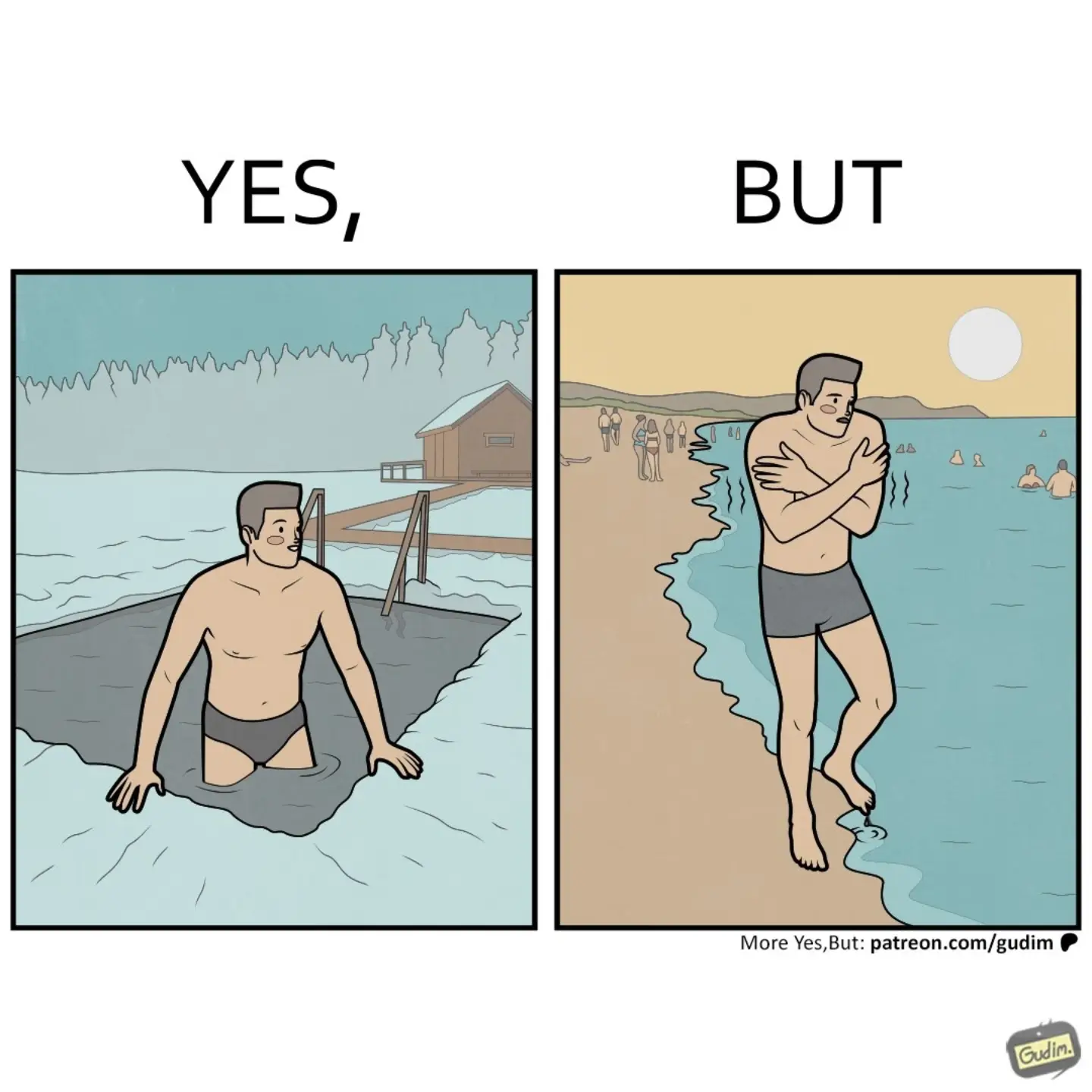
A freezing pool and sunny beach look opposite, yet the same man is uncomfortable in both.
What does comic #8 show?
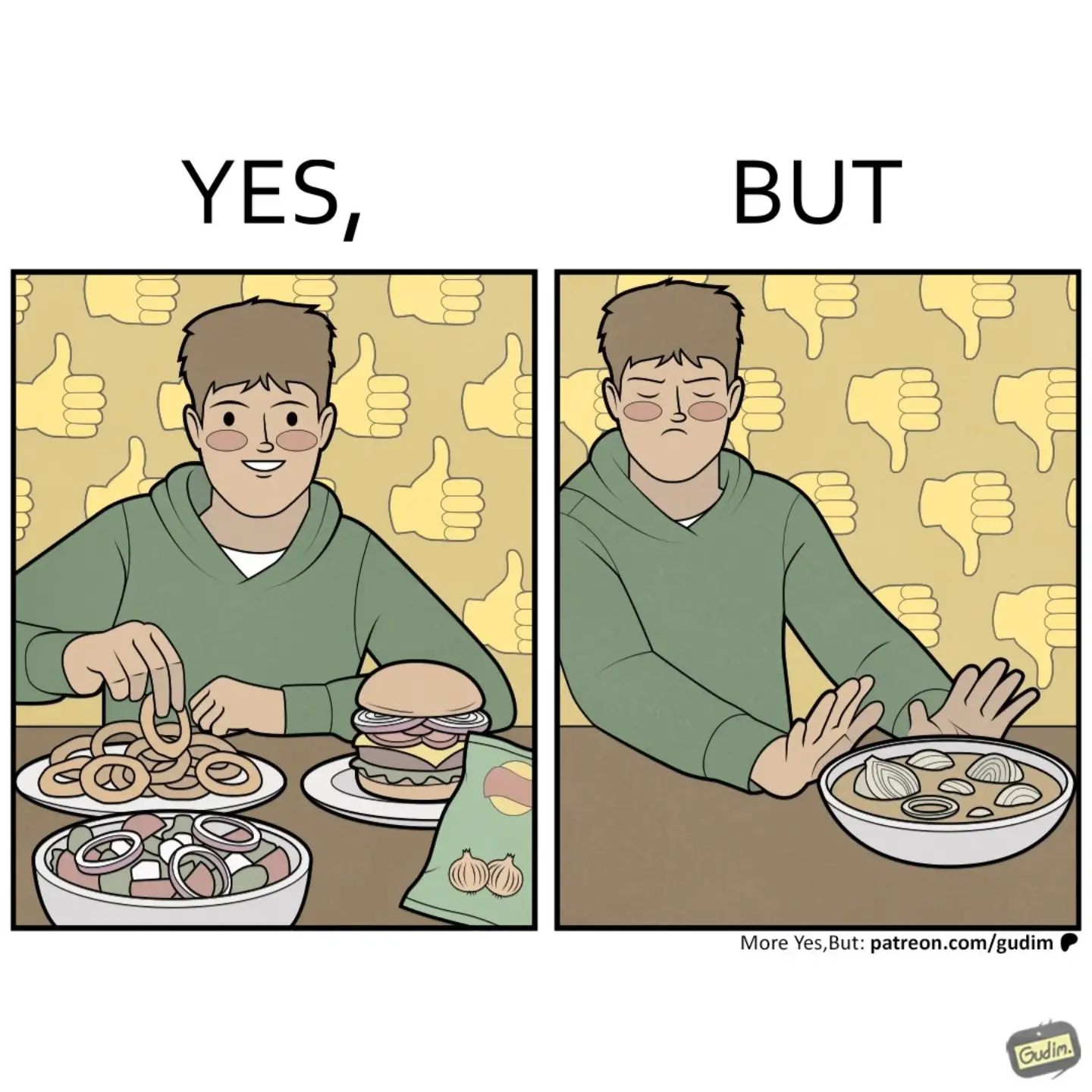
He piles onions onto a burger, then rejects onion soup; the contradiction turns preference into the punchline.
What does comic #9 show?
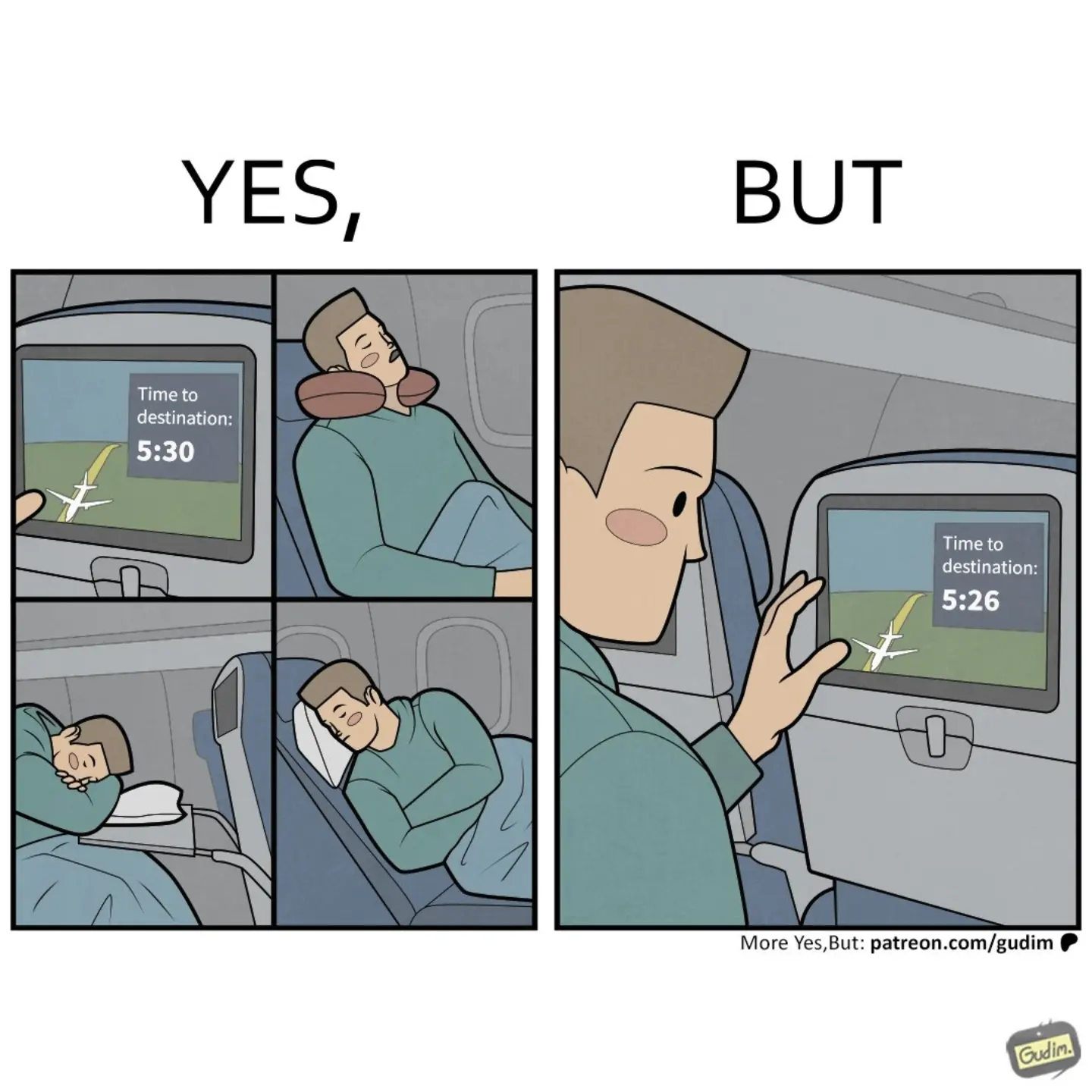
What does comic #10 show?
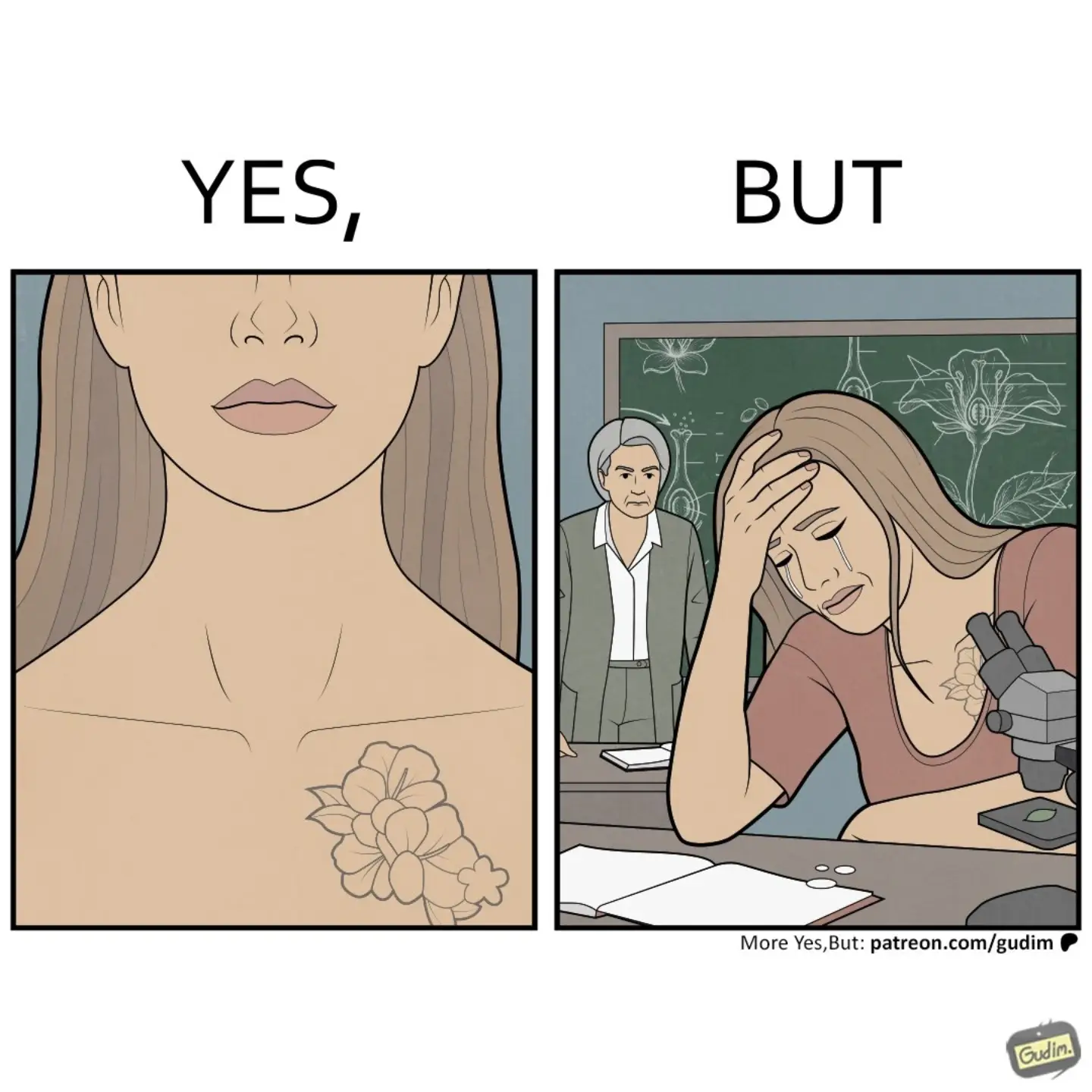
What does comic #11 show?
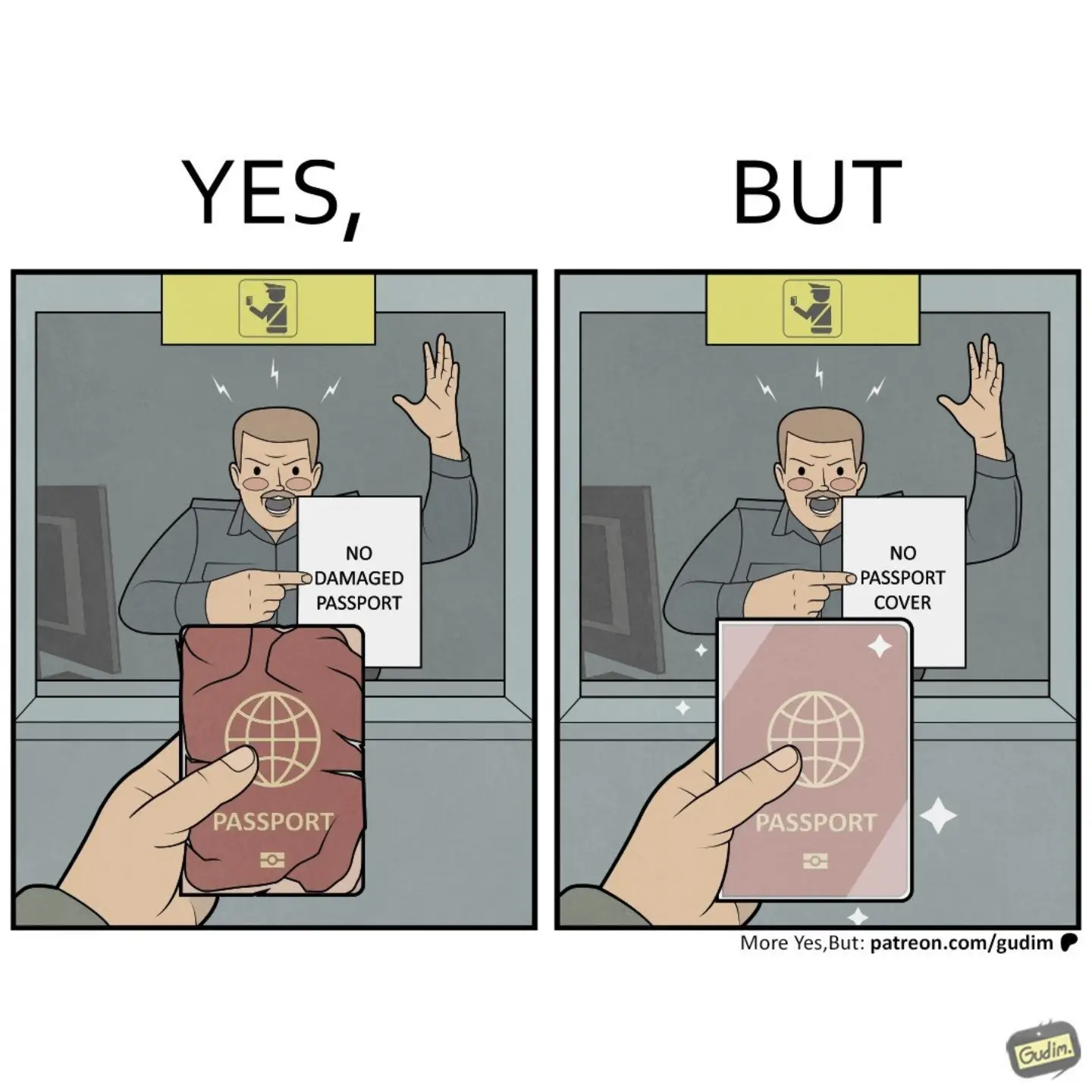
One sign rejects a damaged passport; the next rejects its cover. The traveler is caught between contradictory rules.
What does comic #12 show?
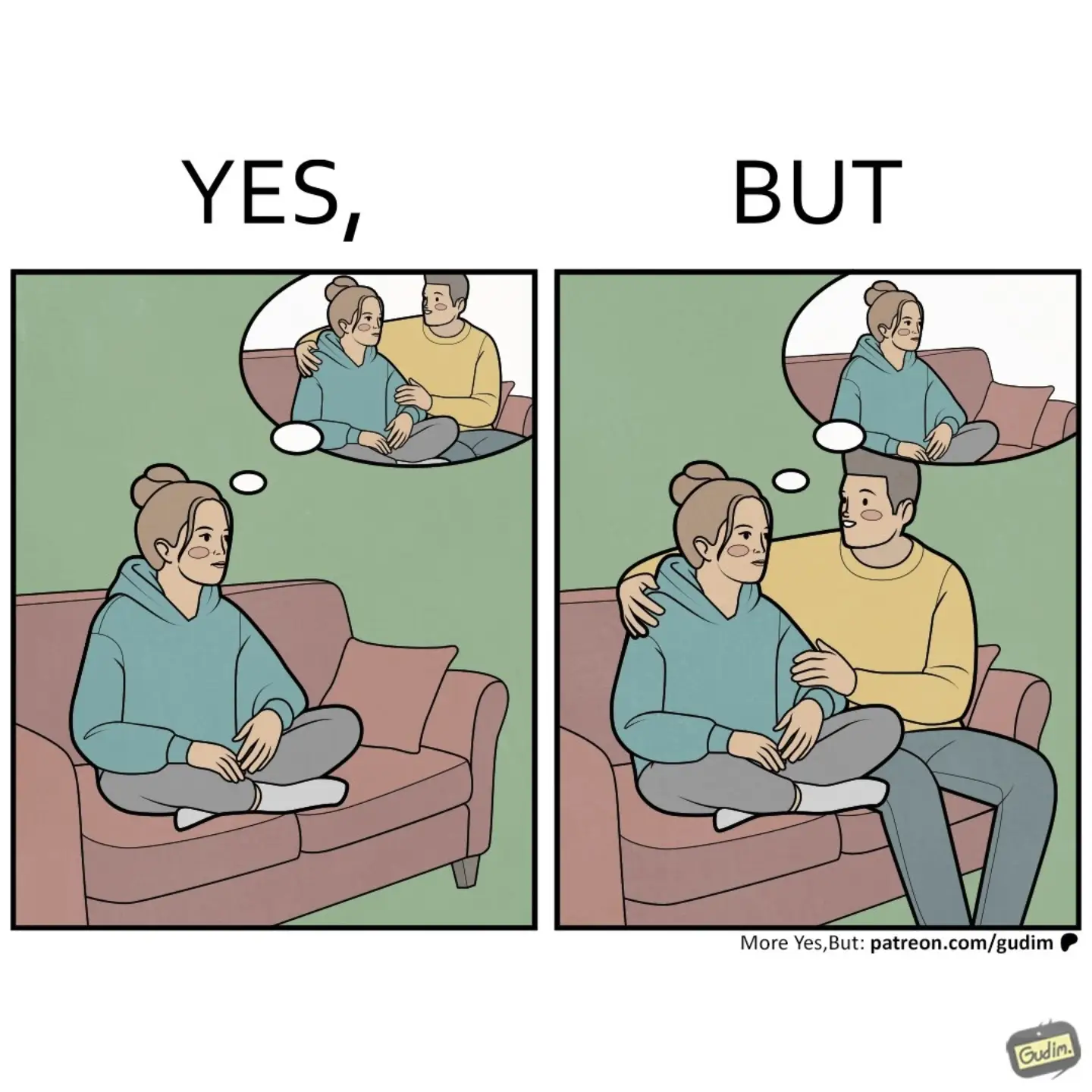
What does comic #13 show?
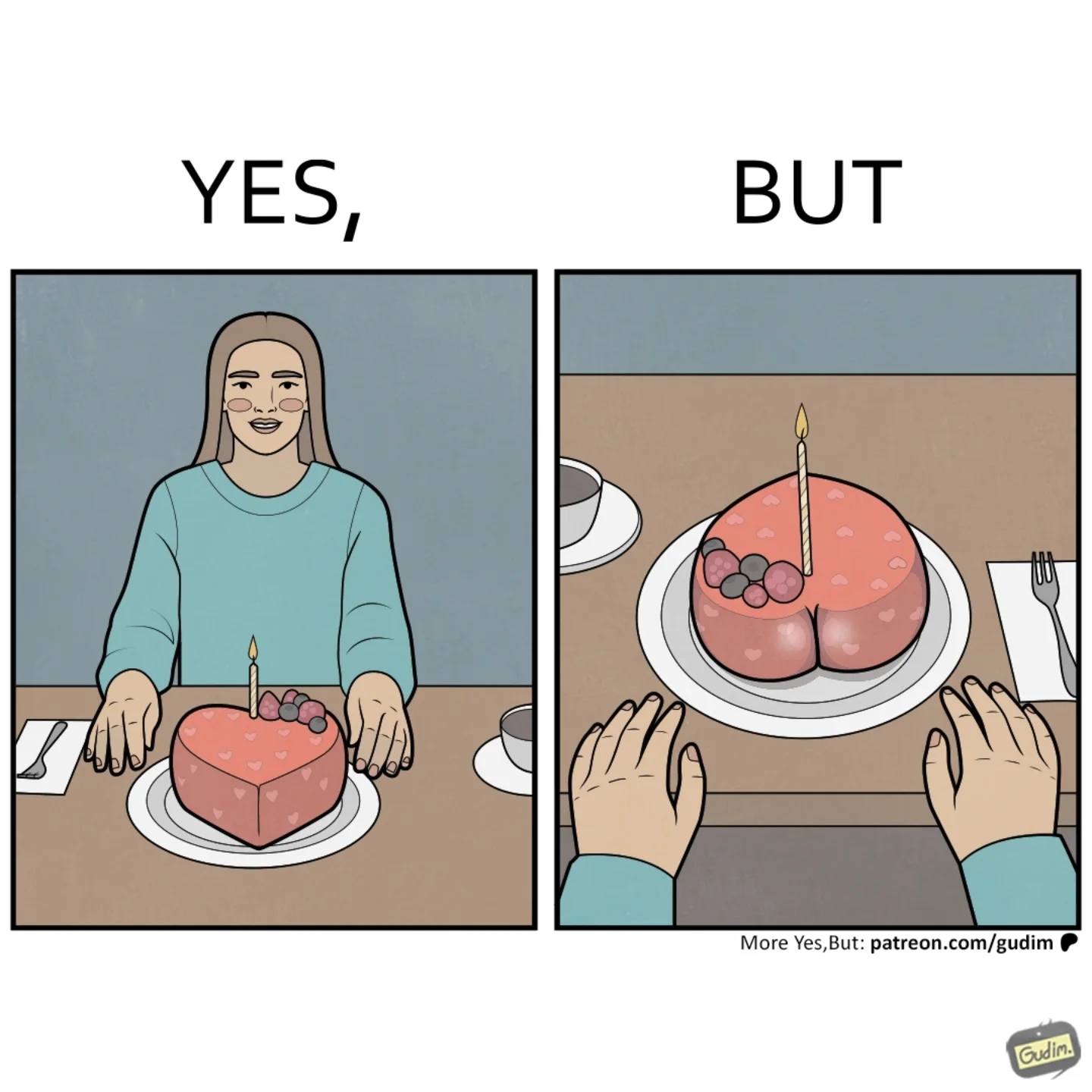
What does comic #14 show?
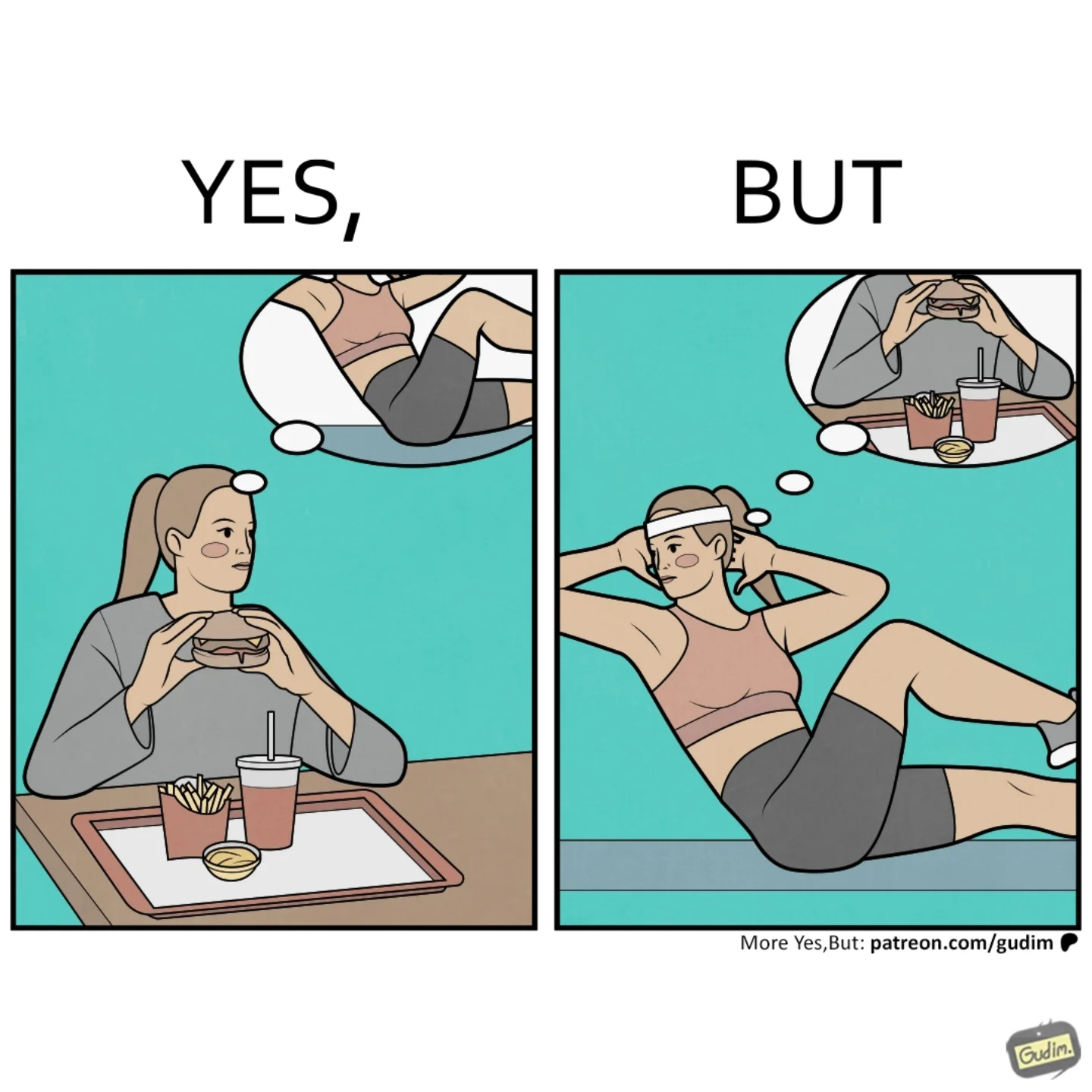
The thought bubble promises a fitness version of the meal; the burger tray in view makes the gap obvious.
What does comic #15 show?
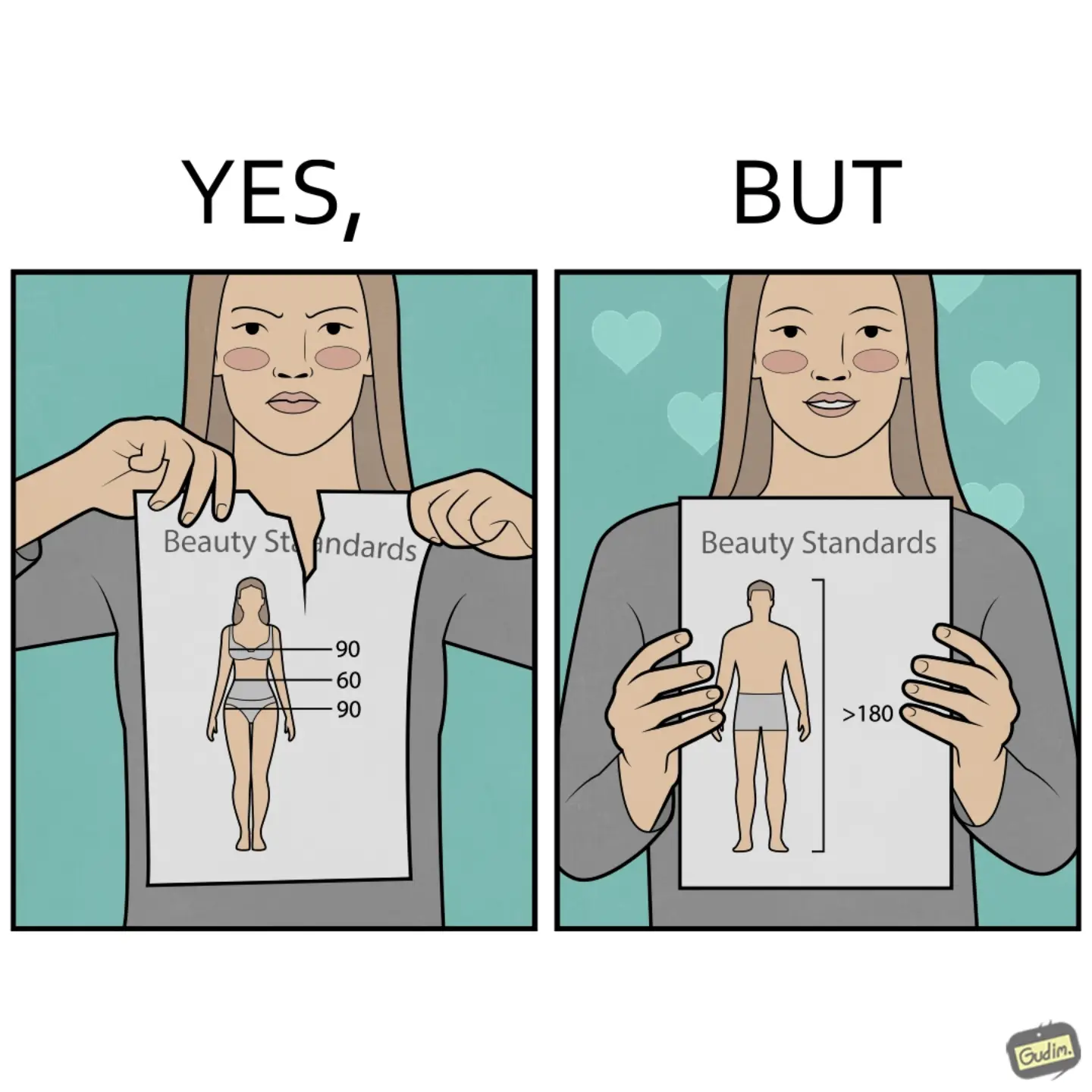
What does comic #16 show?
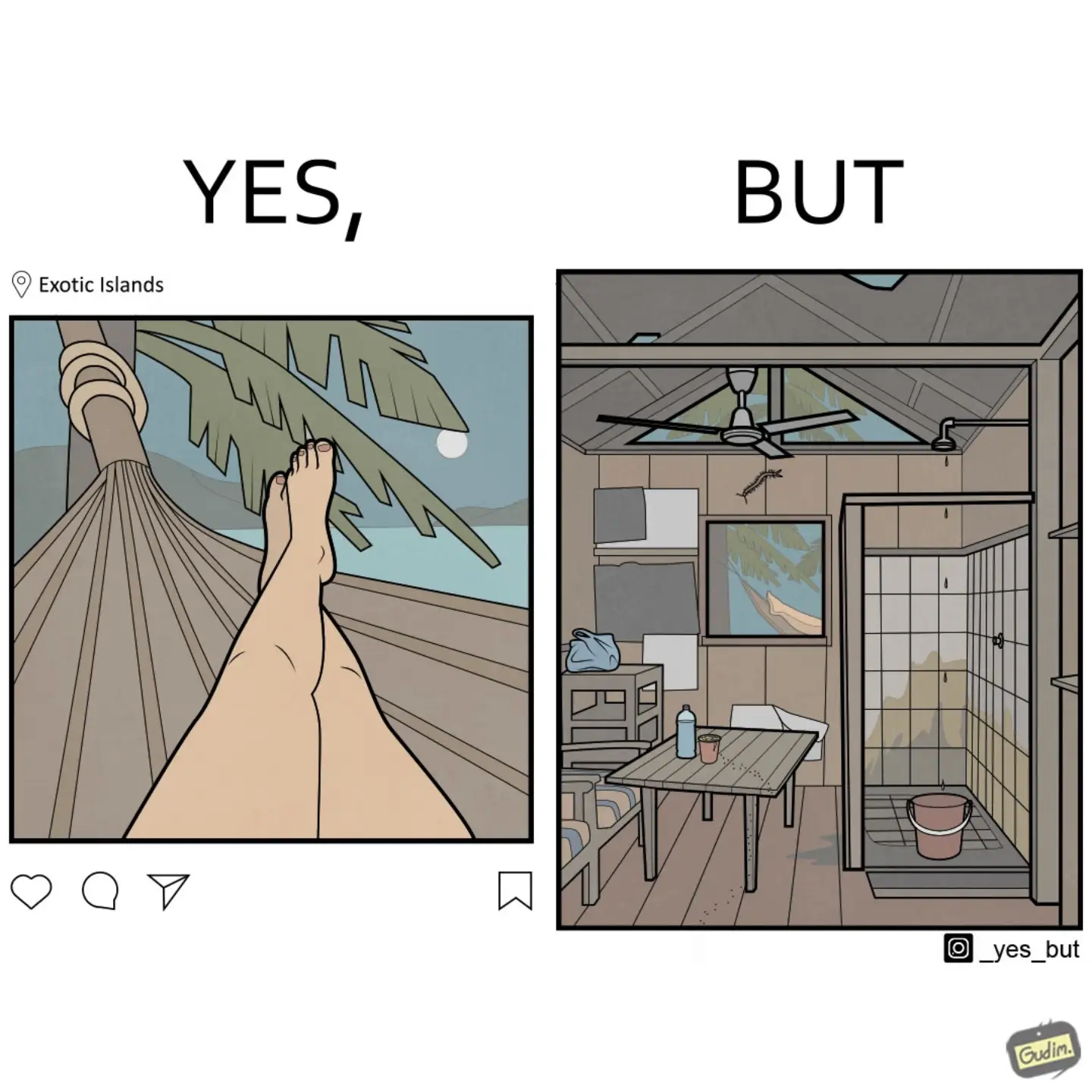
The hammock shot sells a tropical escape; the shabby cabin reveals what the tightly framed travel post leaves out.
What does comic #17 show?
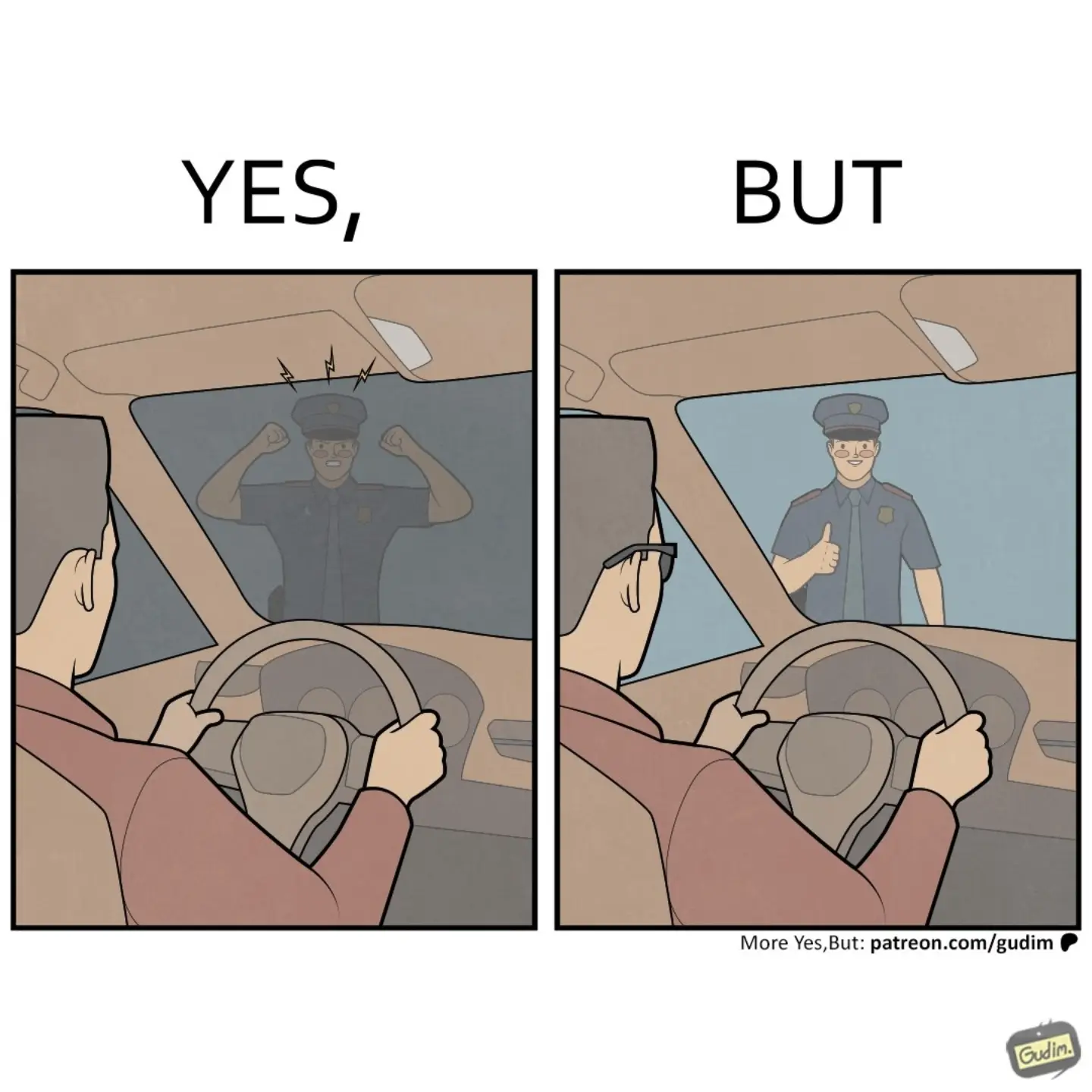
What does comic #18 show?
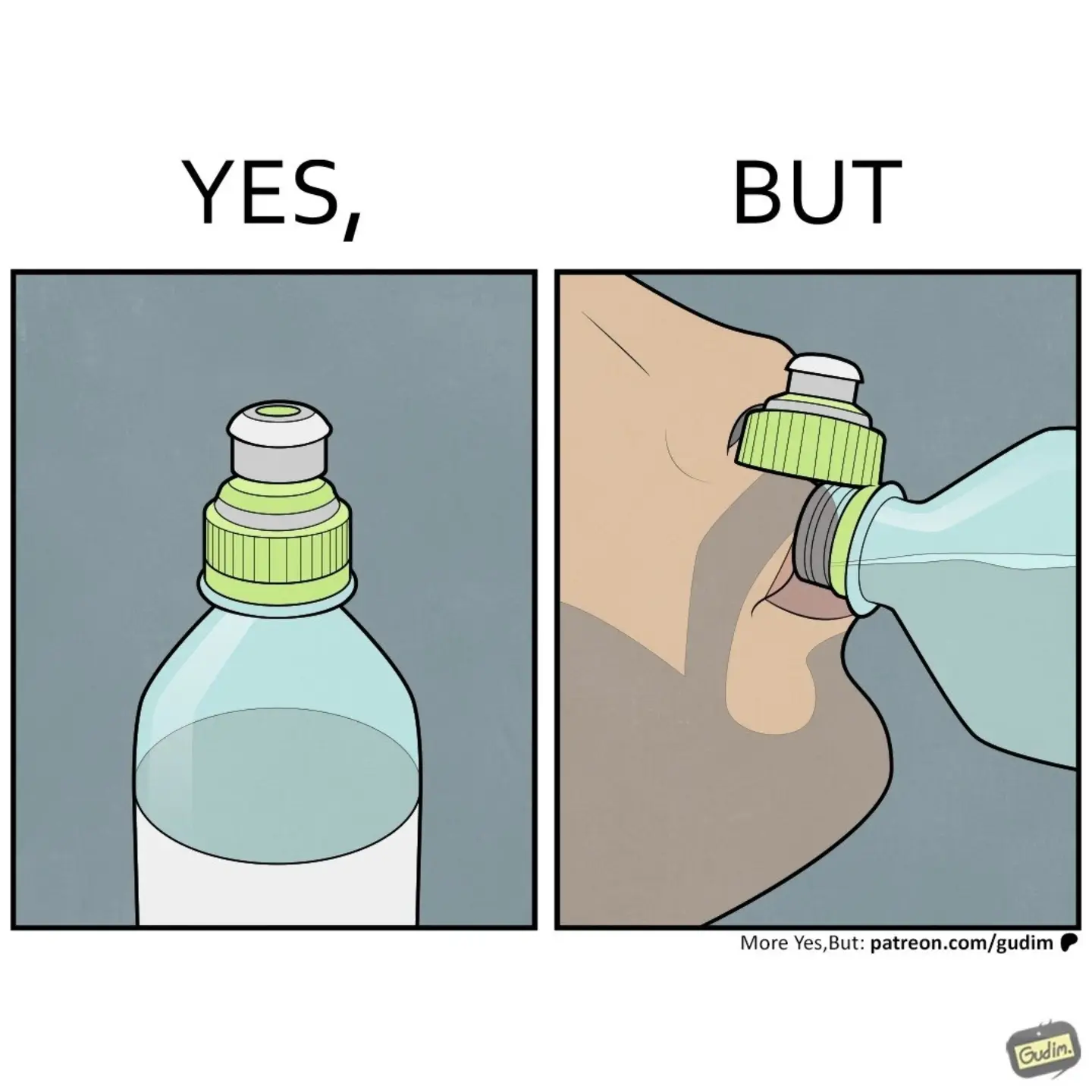
What does comic #19 show?
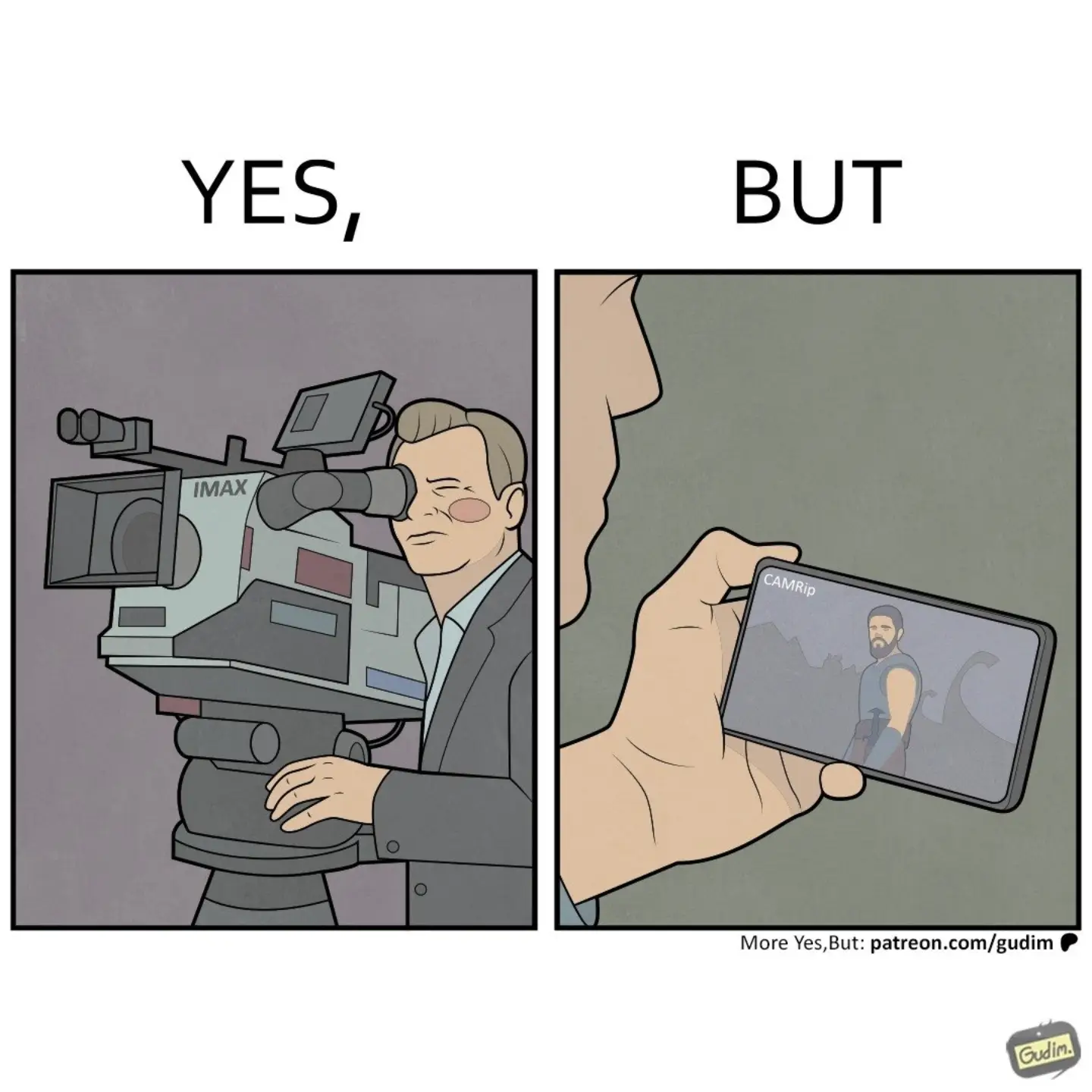
The IMAX camera signals polished production, while “CAMRip” on the phone reveals a crude recording of the film.
What does comic #20 show?
Who is Anton Gudim and what are his “Yes, But” comics?
Anton Gudim creates the “Yes, But” series. In a 2026 interview with Chilean publication El Mostrador, he described revisiting the format after it first appeared in 2016 and returning to it in 2021. His paired panels expose the gap between an appealing first impression and inconvenient reality. Follow him on Instagram.
Which reversal lands best—the flight clock, passport rules, or IMAX-versus-phone contrast? Share your pick, and browse our earlier “Yes, But” comics feature for another set of Gudim’s visual contradictions.
Key Data & Statistics
Anton Gudim described revisiting the format after it first appeared in 2016 and returning to it in 2021.
In a 2026 interview with Chilean publication El Mostrador, Gudim discussed the 'Yes, But' series.
Two price labels carry the joke: a $10,500 watch beside a child's $10 watch and paper boat.
Frequently Asked Questions
What is the format of Anton Gudim's 'Yes, But' comics?
The comics set up a promise in the left panel, then reveal the catch on the right. The muted drawings are easy to scan, but the repeated 'YES, BUT' labels change how each scene reads, with one small shift in context supplying the punchline.
How do the price labels create the joke in one comic?
Two price labels carry the joke: a $10,500 watch appears beside a child's $10 watch and paper boat. The contrast between the expensive adult watch and the cheap child's watch turns the price difference into the punchline.
Why is the traveler caught between contradictory rules in the passport comic?
One sign rejects a damaged passport, while the next rejects its cover. The traveler is caught between contradictory rules, showing how official requirements can conflict and leave a person stuck regardless of what they do.
What does the hammock comic reveal about tightly framed travel posts?
The hammock shot sells a tropical escape, but the shabby cabin reveals what the tightly framed travel post leaves out. The reversal exposes the gap between an appealing first impression and the inconvenient reality behind the carefully chosen frame.
When did Gudim first introduce the 'Yes, But' format?
In a 2026 interview with Chilean publication El Mostrador, Gudim described revisiting the format after it first appeared in 2016 and returning to it in 2021. His paired panels expose the gap between an appealing first impression and inconvenient reality.


