


Behind the Comic: Bright colors, friendly faces, and then a punchline that lands like a brick in a bouncy castle. The Baptman serves up eighteen comics where beach strolls, heatwaves, and toy-store squabbles take a turn you won’t see coming. Pop-culture parodies rub shoulders with environmental satire, all wrapped in clean, approachable art. The final panel does the heavy lifting, and it’s delightfully sneaky.
This set of 18 comics from The Baptman moves from familiar setups to punchlines darker than the bright colors suggest. A beach encounter, a heatwave and a toy-store dispute each change meaning in the final beat.
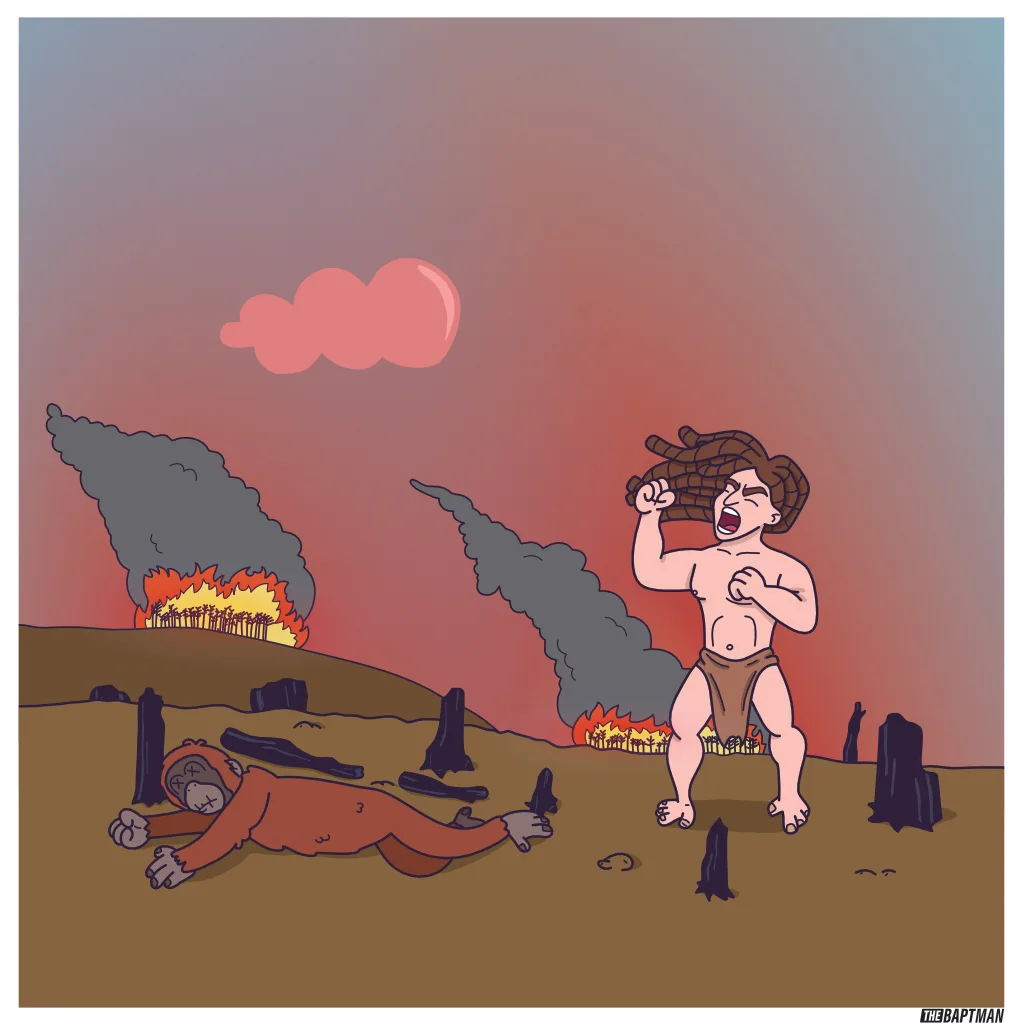
Pop-culture parody shares space with environmental satire: recognizable characters appear alongside forest fires, polluted water and discarded waste. The clean drawings make each scene easy to read; the last detail often makes it harder to forget.
What happens when a cheerful beach greeting meets an oil-covered swimmer?

The beachside greeting is cheerful until the oil-covered figure in the water turns the scene into an environmental gag.
Which comic is #2?

How literal does the melting line get during the heatwave?

The melting line becomes literal as the character collapses into a dark puddle beneath the heat.
Which comic is #4?
Which comic is #5?

Which comic is #6?
Which comic is #7?
How does the lockdown comparison reverse itself?
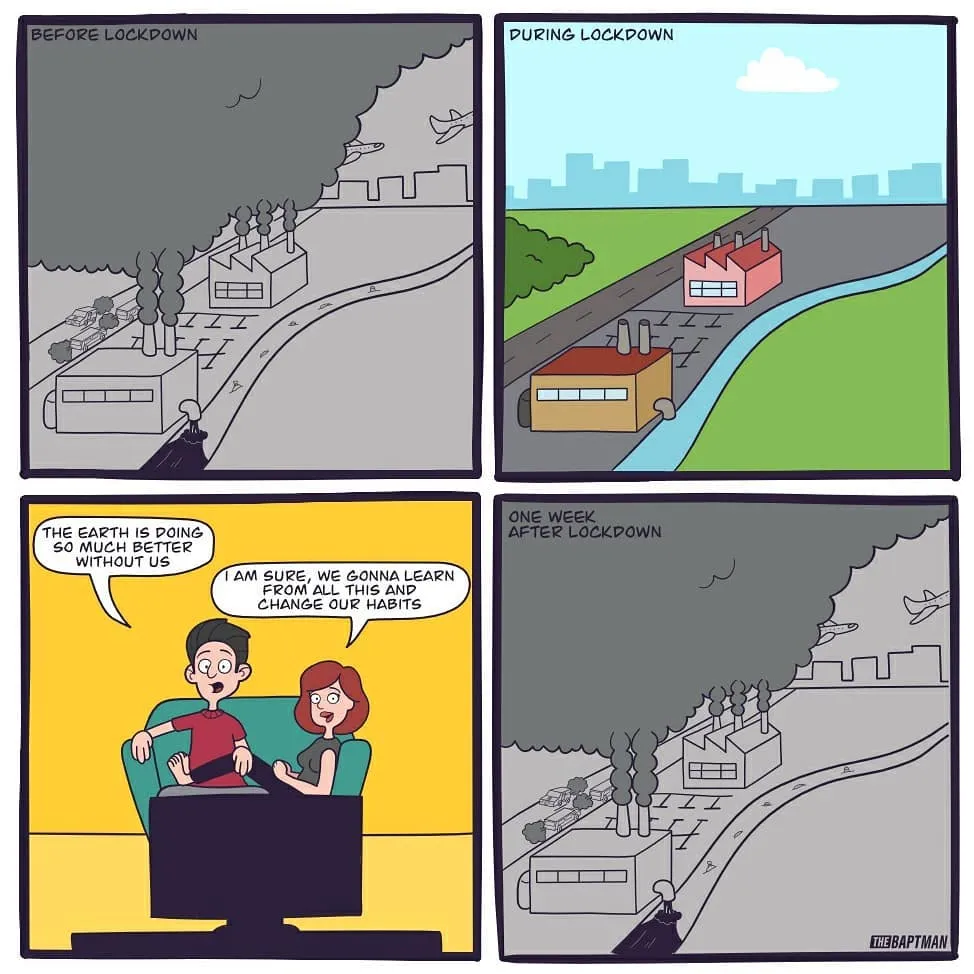
The lockdown comparison reverses itself: cleaner skies appear briefly, then the smoke returns.
Which comic is #9?
What does the top-hatted figure demanding more reveal about the satire?
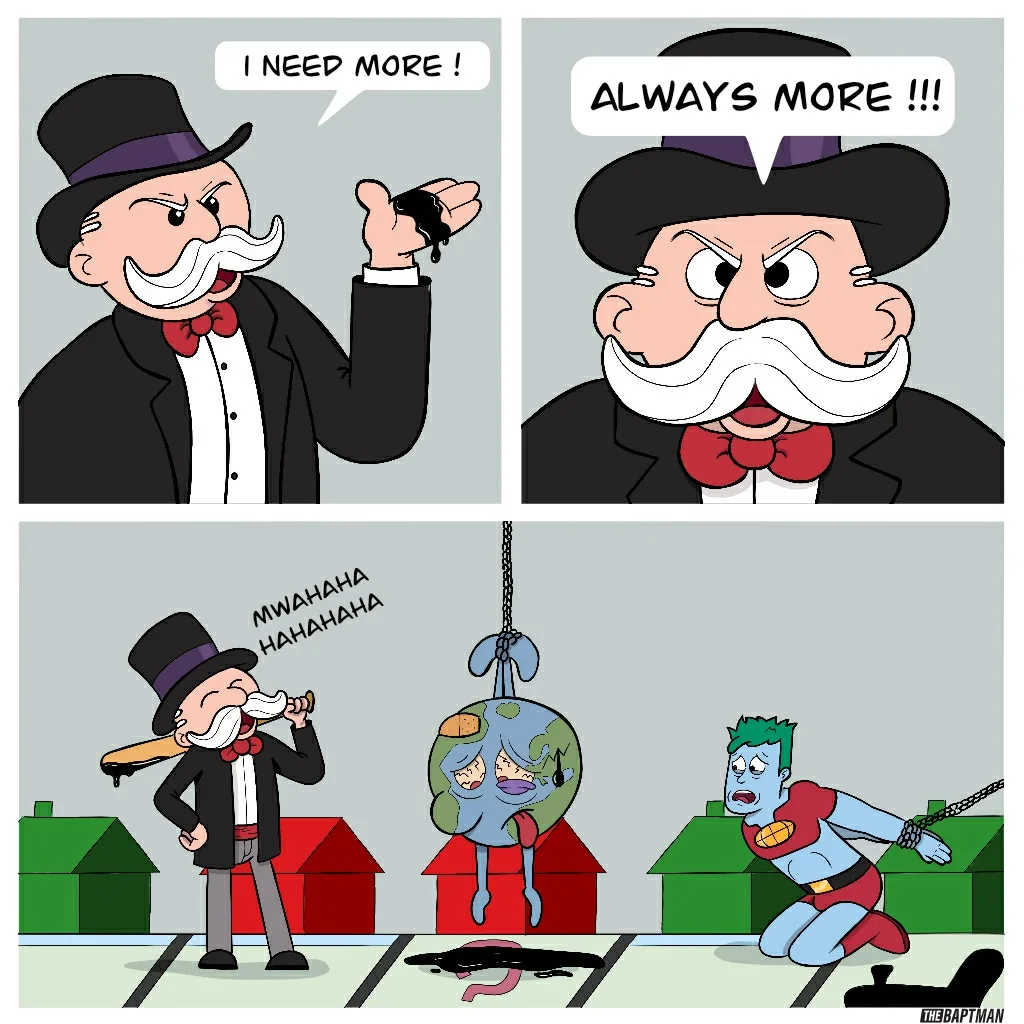
A top-hatted figure demanding more is framed against a distressed Earth; the contrast carries the satire.
Which comic is #11?

Which comic is #12?

Which comic is #13?
Which comic is #14?
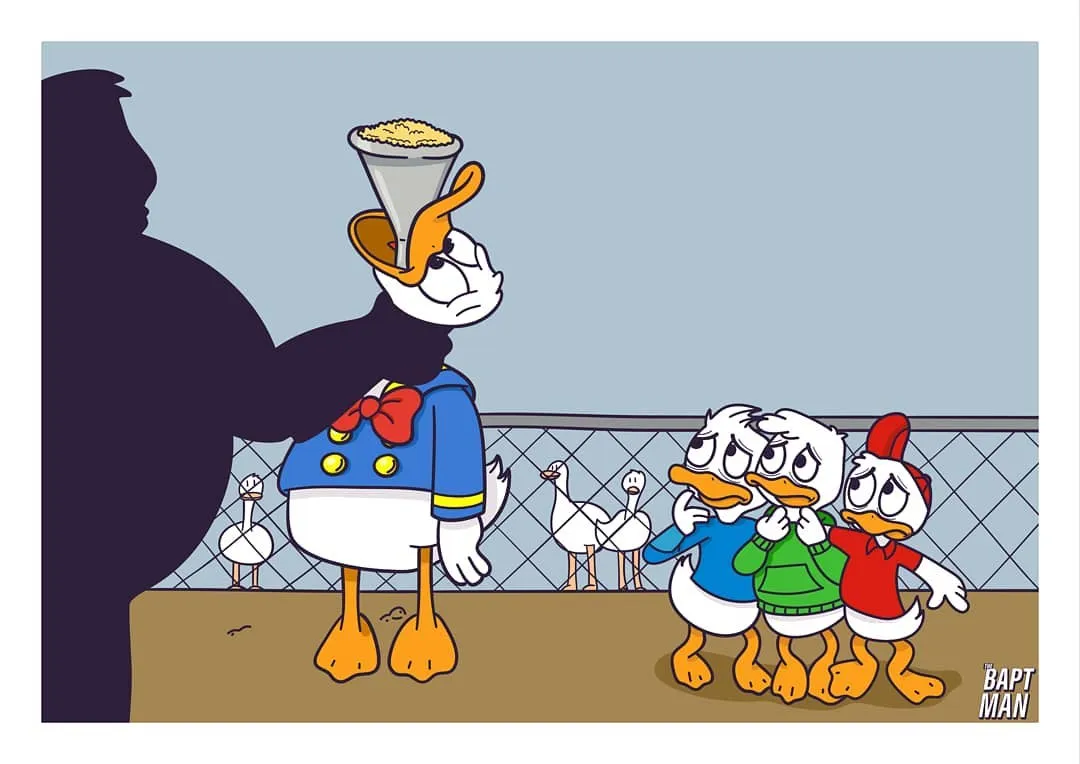
Which comic is #15?
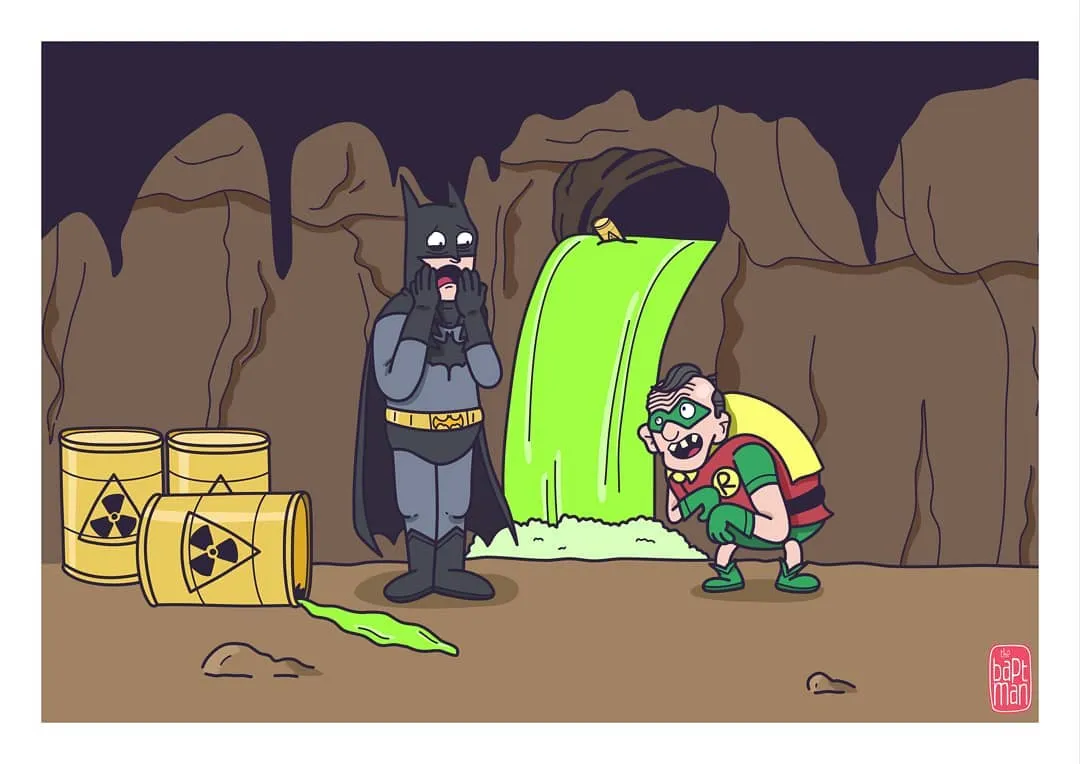
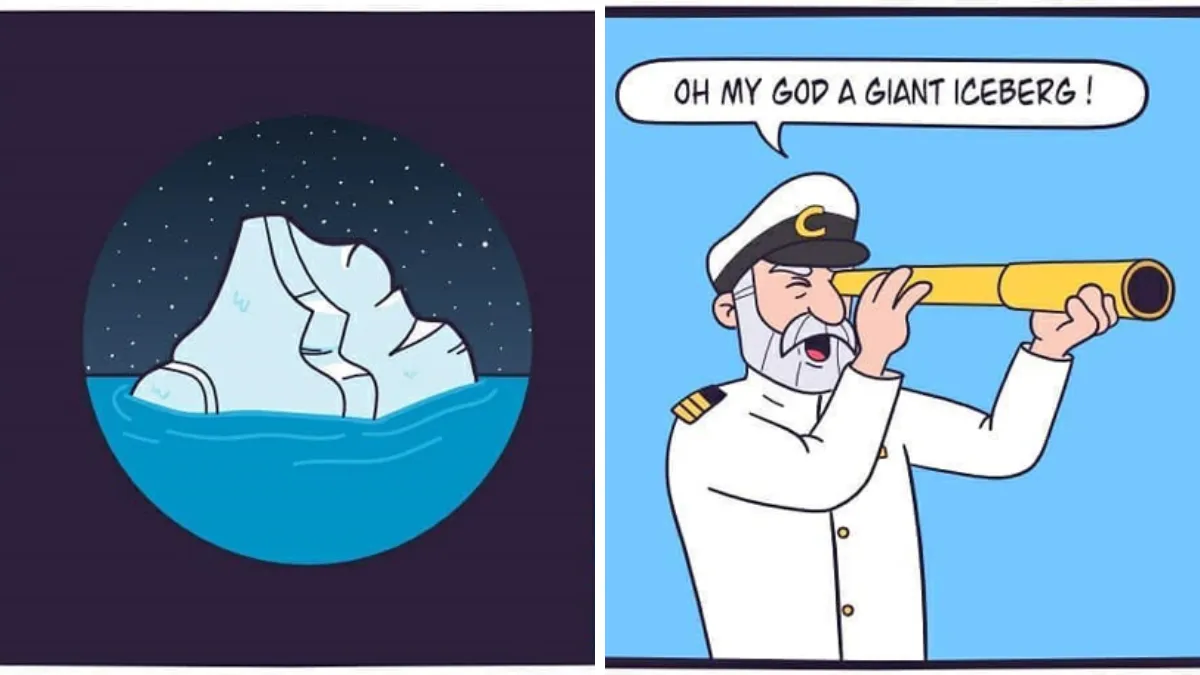
How does a tiny “BING” turn the iceberg collision into deadpan timing?
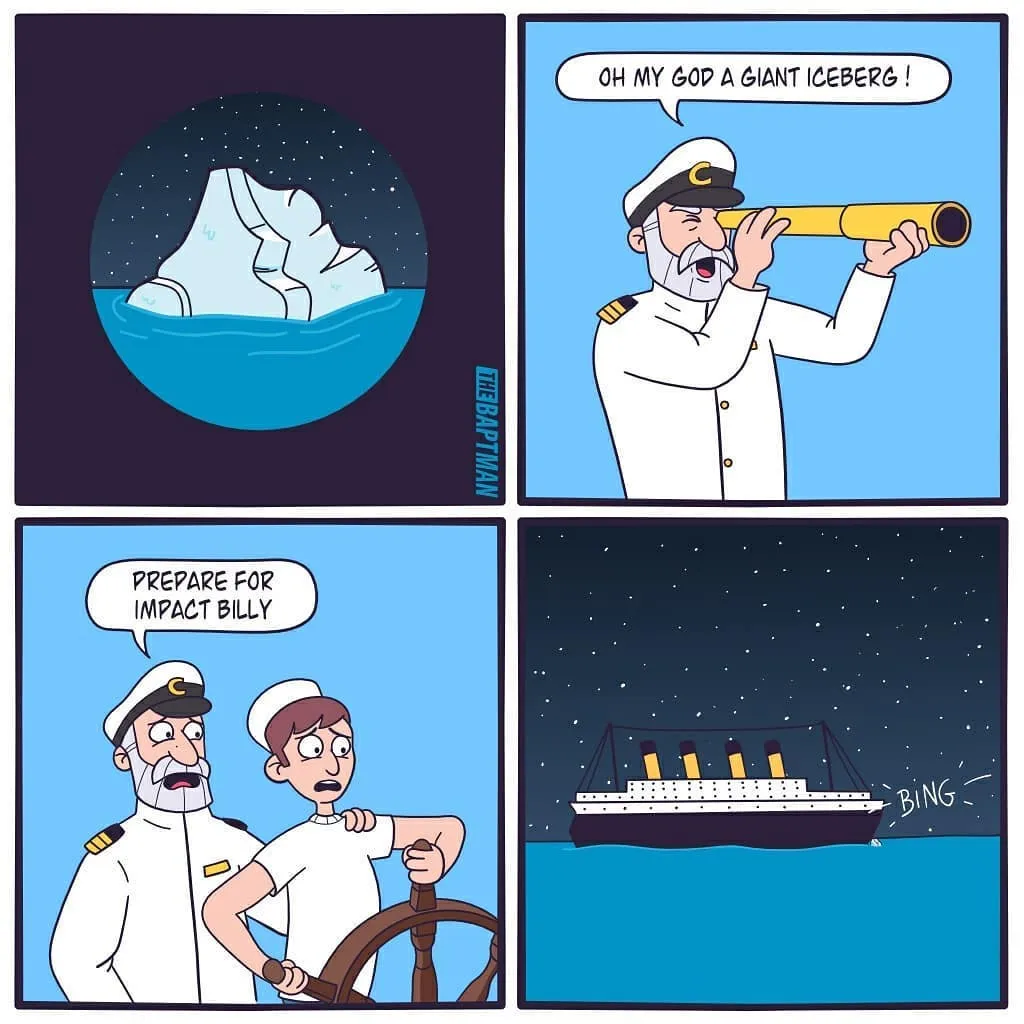
The iceberg collision needs only a tiny “BING” to turn a famous disaster into deadpan timing.
Which comic is #17?
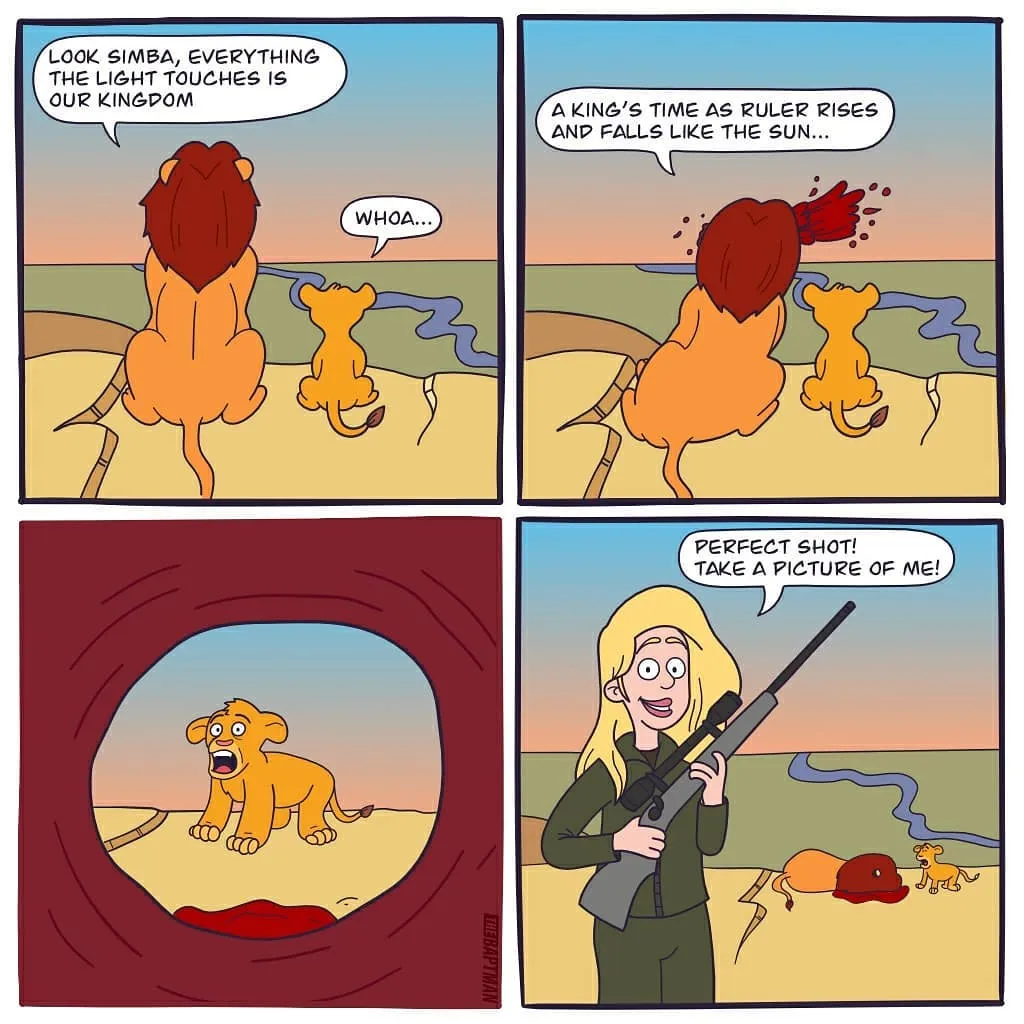
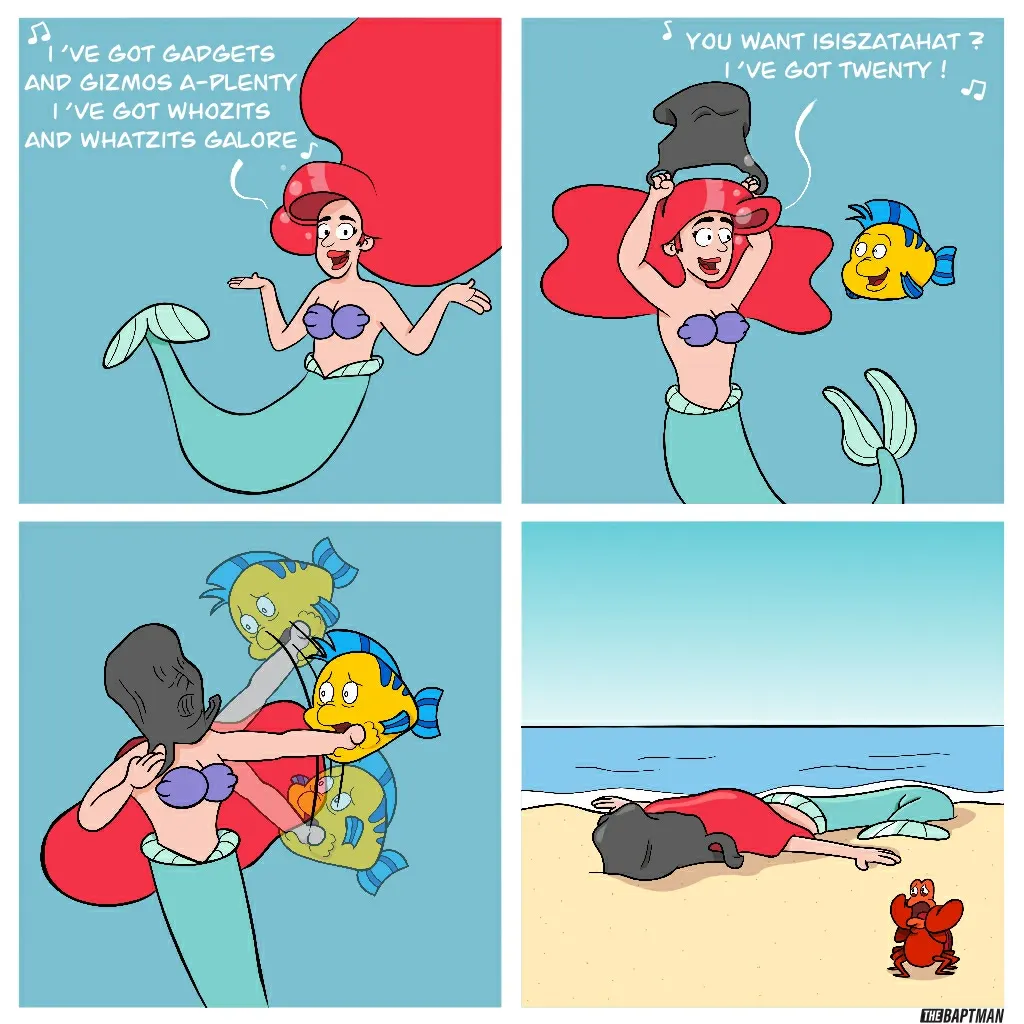
Does the whale escape actually end in rescue?
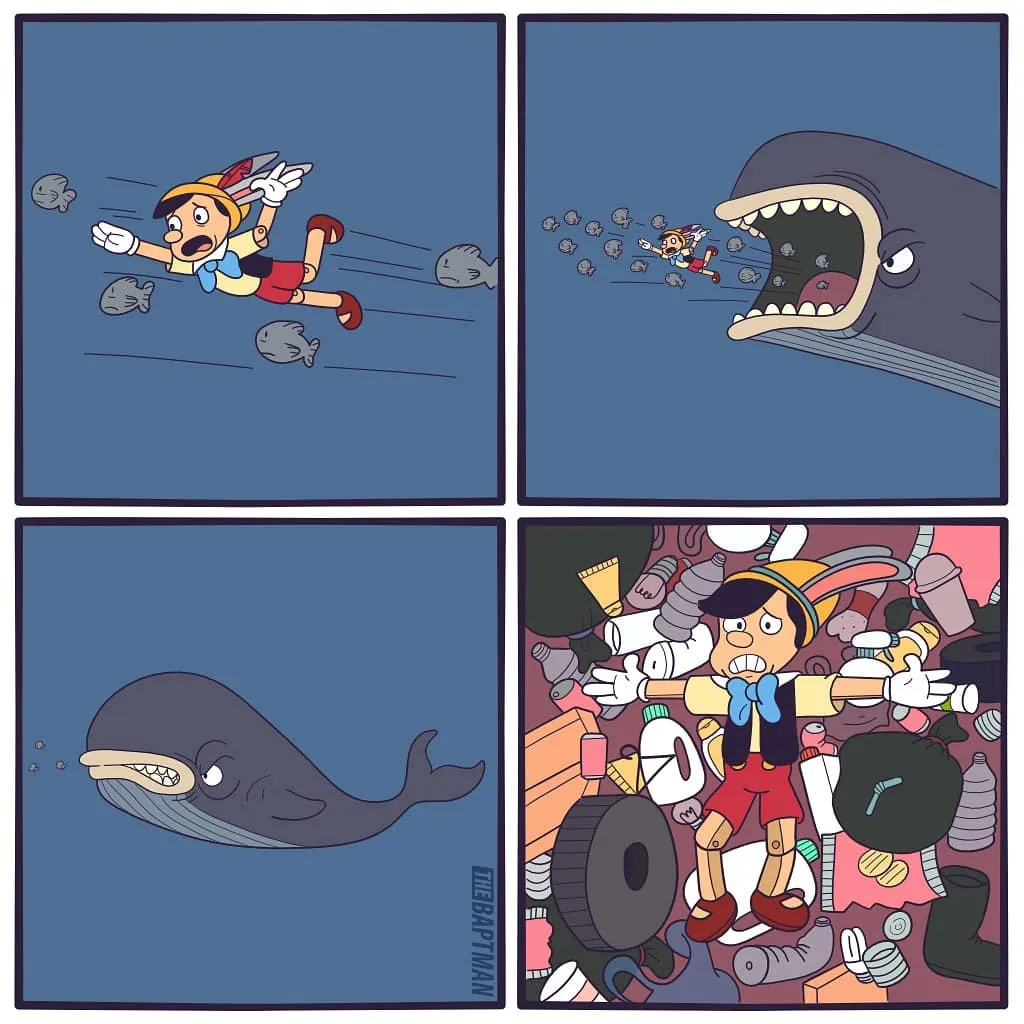
The whale escape looks like rescue until the final panel lands the character in discarded rubbish.
What visual language makes these punchlines land?
Thick outlines, flat color and expressive faces keep the work approachable. The sharpest turns come from the distance between a familiar story’s promise and the final panel’s darker consequence.
Who is The Baptman?
The Baptman is the creator name of French self-taught illustrator Baptiste Drausin. In a public statement republished by Design You Trust, he says he began posting drawings on Instagram in 2017 and later used pop-culture mashups to address ecological issues. Earlier profiles from BuzzFeed and Laughing Squid also identify him as @the_baptman. His Instagram follower count could not be verified.
For another collection, read our earlier feature on The Baptman. Which comic in this set had the sharpest final turn?
📖 Comic Transcript, Scene Description & Humor Notes (Click to Expand)
What does the scene and visual setup look like?
The Baptman's comics use thick black outlines, flat cheerful colors, and expressive cartoon faces that make every scene feel friendly at first glance. A man strolls a sunny beach with his dog, a figure collapses under a blazing heatwave, a child argues with his father in a droid-filled toy shop, and a ship captain peers through a telescope at the sea. Familiar pop-culture silhouettes and fairy-tale figures appear in bright, clean settings, so the darker environmental details hiding in the corners land with quiet surprise.
How do the panels and dialogue break down?
- Panel 1: A beachgoer asks what his dog has found in the water, then panics when an oil-covered swimmer calls for help.
- Panel 2: A heatwave gag turns literal as a character melts into a dark puddle while costumed onlookers react.
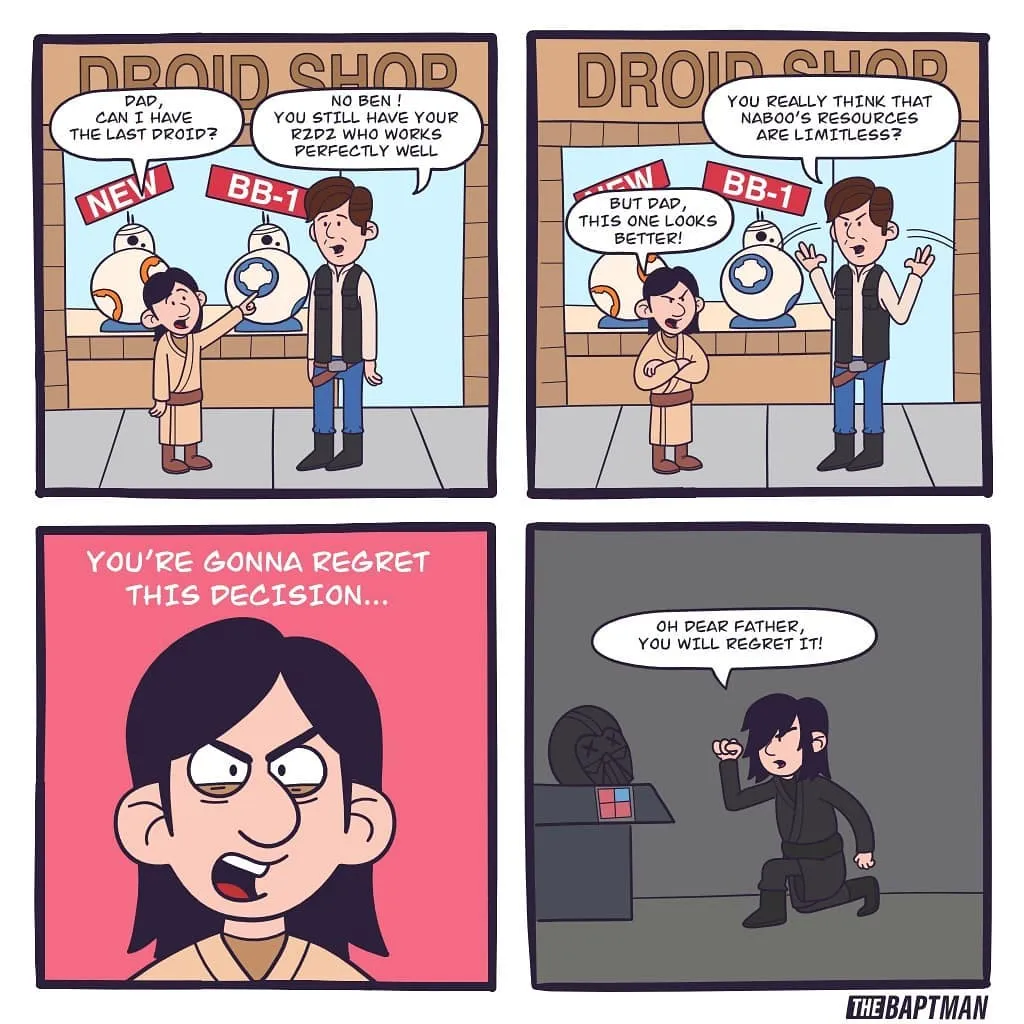
- Panel 3: A child and father clash over a BB-series droid in a Star Wars-style robot shop.
- Panel 4: A four-panel lockdown strip shows cleaner skies, then quietly brings the smoke and pollution back.
Why is it so relatable?
Each strip borrows the comfort of a familiar setup, a beach day, a fairy tale, a space saga, then lets a real-world worry sneak into the final panel. The bright art keeps things light while the punchline quietly reminds us of pollution, heat and waste.
🎭 Comic Highlights & Relatable Takeaways
✨ A cheerful beach greeting turns into an environmental gag when the figure calling for help in the water is covered in oil.
✨ The heatwave joke becomes literal as a character collapses into a dark puddle while costumed onlookers react.
✨ A tiny "BING" sound is all it takes to turn a famous iceberg disaster into deadpan comic timing.
✨ The whale escape looks like a rescue until the final panel drops the character into discarded rubbish.
💬 Comic Q&A & Behind the Scenes
💭 What makes The Baptman's bright cartoons feel so dark?
It's the gap between friendly thick outlines and the grim final beat. A cheerful beach scene becomes an oil spill, a heatwave joke ends in a puddle. The clean, approachable art lowers your guard so the environmental punch lands harder and lingers longer.
💭 Why do pop-culture parodies work so well for environmental satire?
Familiar stories carry built-in expectations, and The Baptman exploits them. When a beloved character or famous disaster suddenly reveals pollution or waste, the contrast stings. You recognize the setup instantly, so the darker twist feels like a betrayal of the promise you were quietly expecting.
💭 How does the iceberg 'BING' comic turn disaster into deadpan humor?
It reduces an epic tragedy to a tiny sound effect. The famous collision becomes a single quiet 'BING,' and the timing does all the work. That minimalist beat shows how The Baptman trusts small details to carry enormous weight without any dramatic buildup.
💭 Who is The Baptman, and where did he start sharing these comics?
The Baptman is French self-taught illustrator Baptiste Drausin, who began posting drawings on Instagram in 2017. He later used pop-culture mashups to address ecological issues. Profiles from BuzzFeed and Laughing Squid identify him as @the_baptman, though his follower count couldn't be verified.
💭 Where do the environmental themes hide in these seemingly cheerful scenes?
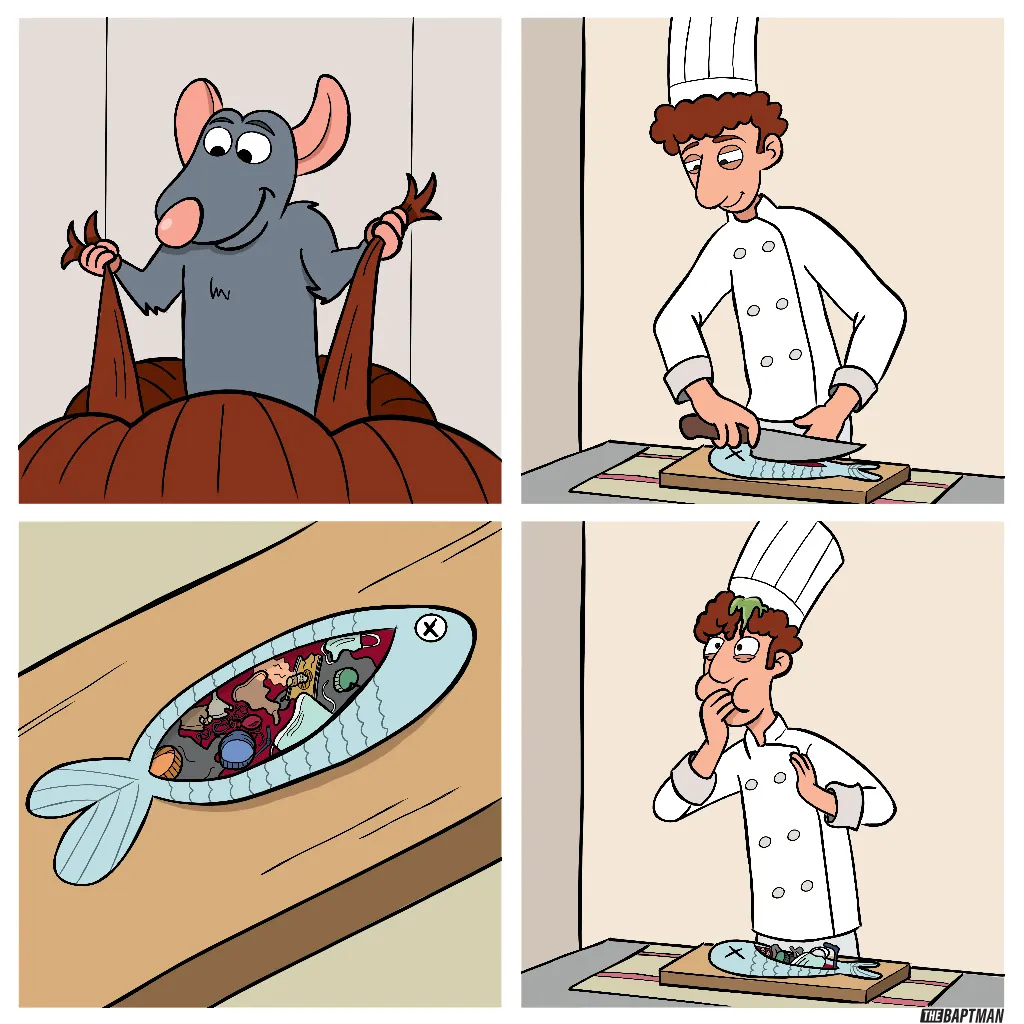
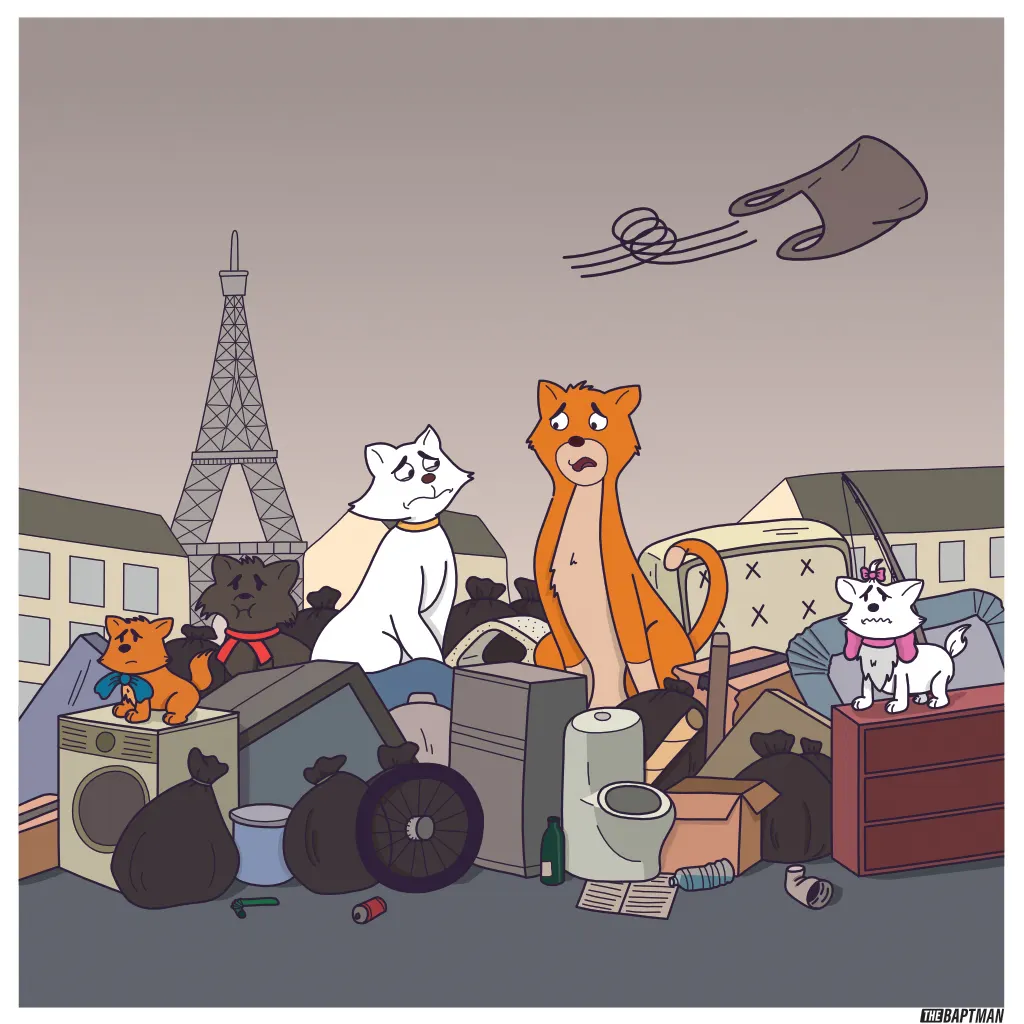
They hide in the corners and final panels: an oil-covered swimmer, smoke returning after cleaner skies, a whale escape ending in rubbish. The bright setups distract you, then the last detail reframes everything. That quiet placement is why the satire feels memorable rather than preachy.


