


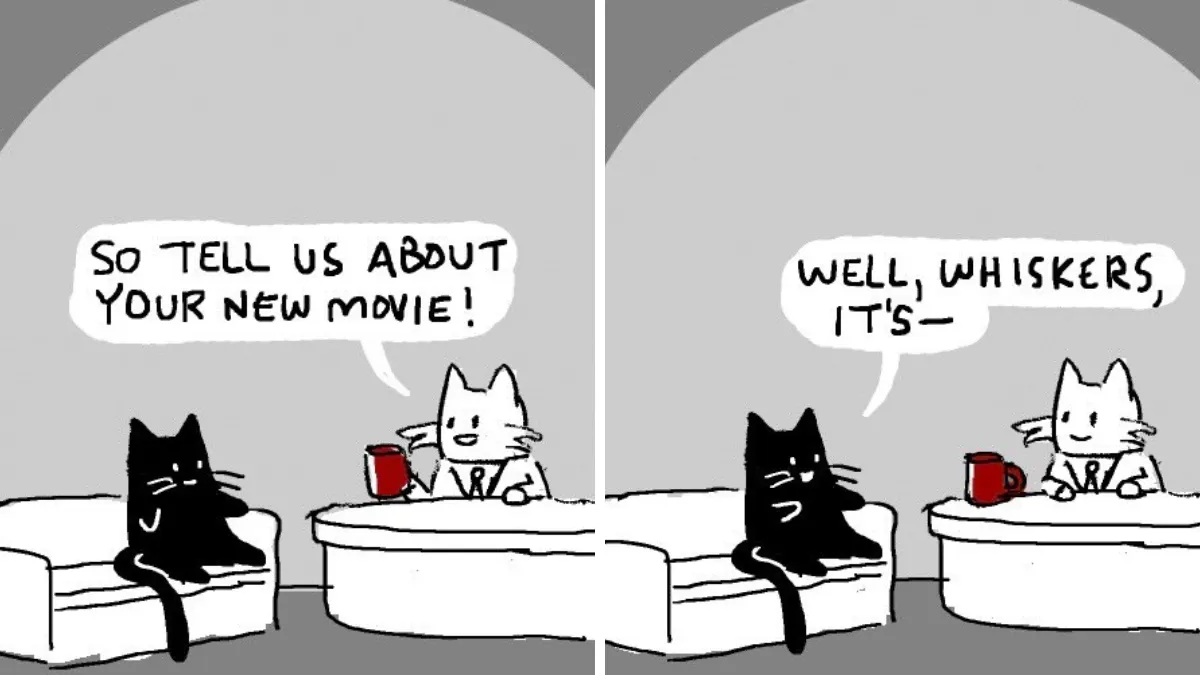
🎨 Behind the Comic: Ben Zaehringer's Berkeley Mews turns everyday gripes into gleefully grim little detours, and this gallery of 19 strips is a masterclass in the sudden swerve. Clean, rounded cartooning lulls you into comfort, then one sly visual detail flips the whole scene. Doctors, renters, cats, cowboys and even a Mars mission all show up, meeting the bizarre with deadpan calm. No spoilers here, just a promise: the punchlines land where you least expect them.
Some Berkeley Mews comics start with an ordinary complaint—a patient is tired, a renter will not get up, a passenger checks a phone—then let one detail send the scene somewhere grim or absurd. Ben Zaehringer’s clean, rounded cartooning gives these dark humor comics an inviting surface before the punchline turns.
The 19 strips travel from a doctor’s office to a Mars mission, a bank entrance and a cowboy showdown. They are not one continuous story; their common thread is abrupt reversal, visual misdirection and characters meeting extraordinary events with everyday confidence.
What's hiding in plain sight in strip #1?
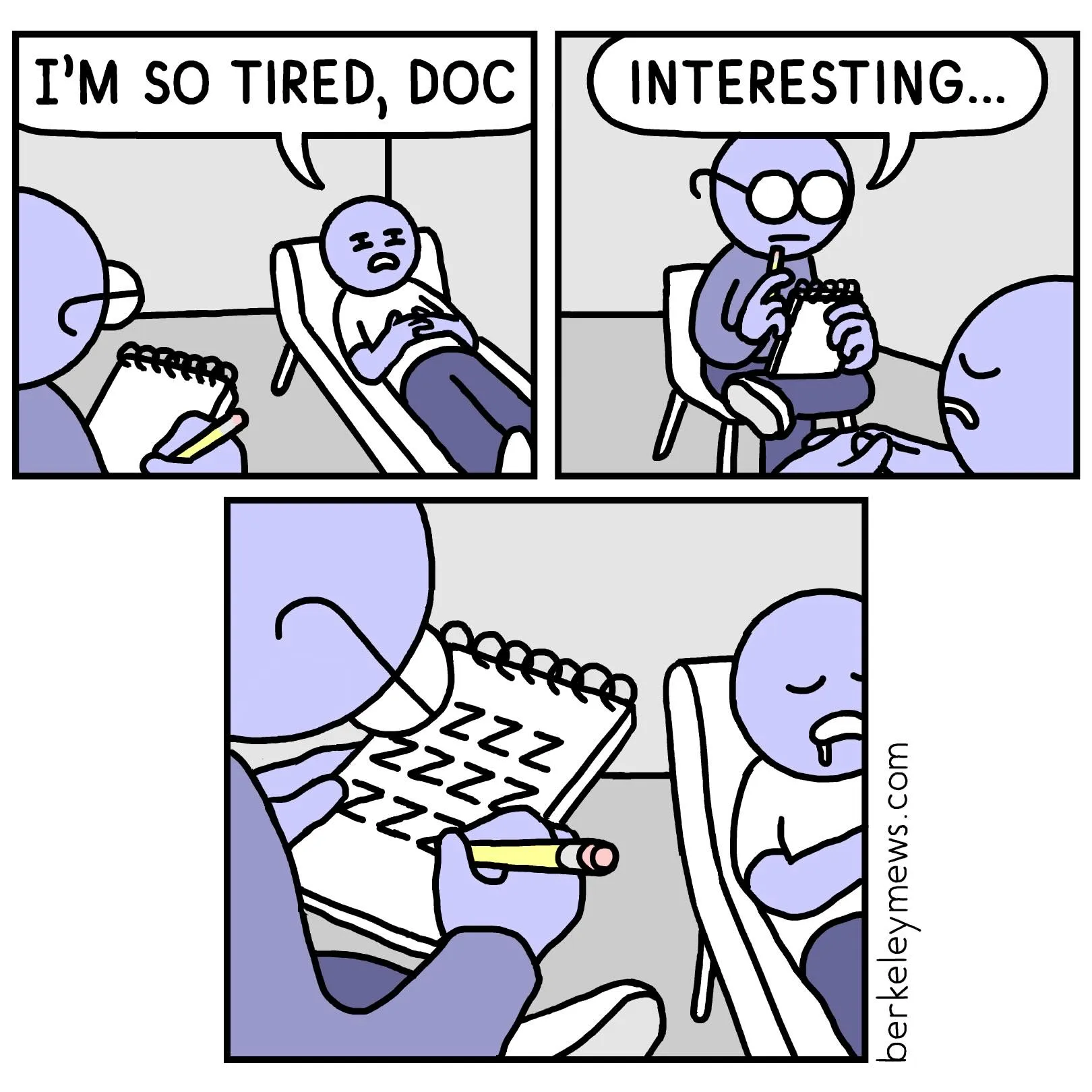
The doctor’s notes look attentive until the close-up reveals a page full of sleep symbols: the diagnosis was hiding in plain sight.
How does the calm verdict unravel in strip #2?
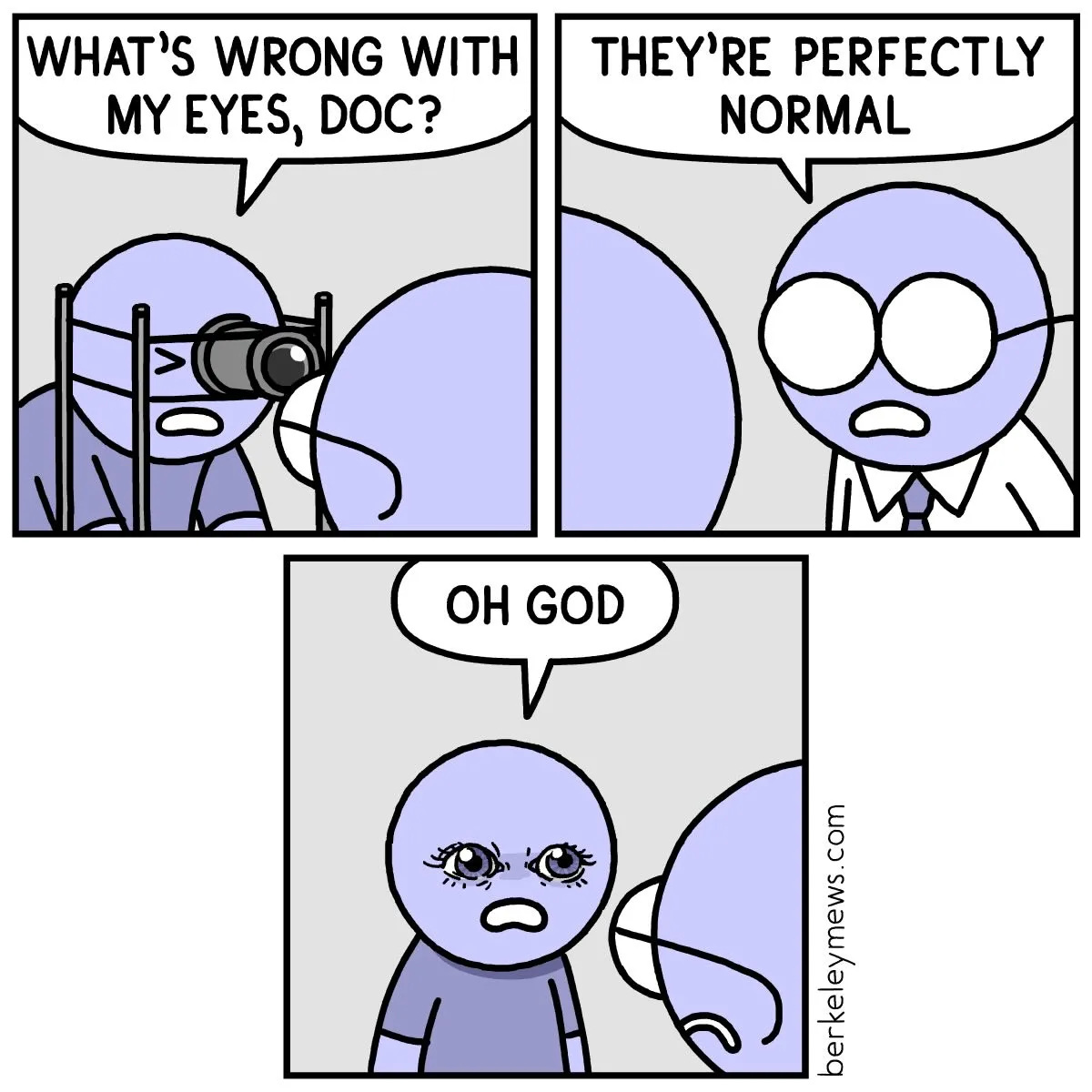
The calm verdict lasts one panel; the doctor’s horrified face and the patient’s detailed eyes undo it.
What twist awaits in strip #3?
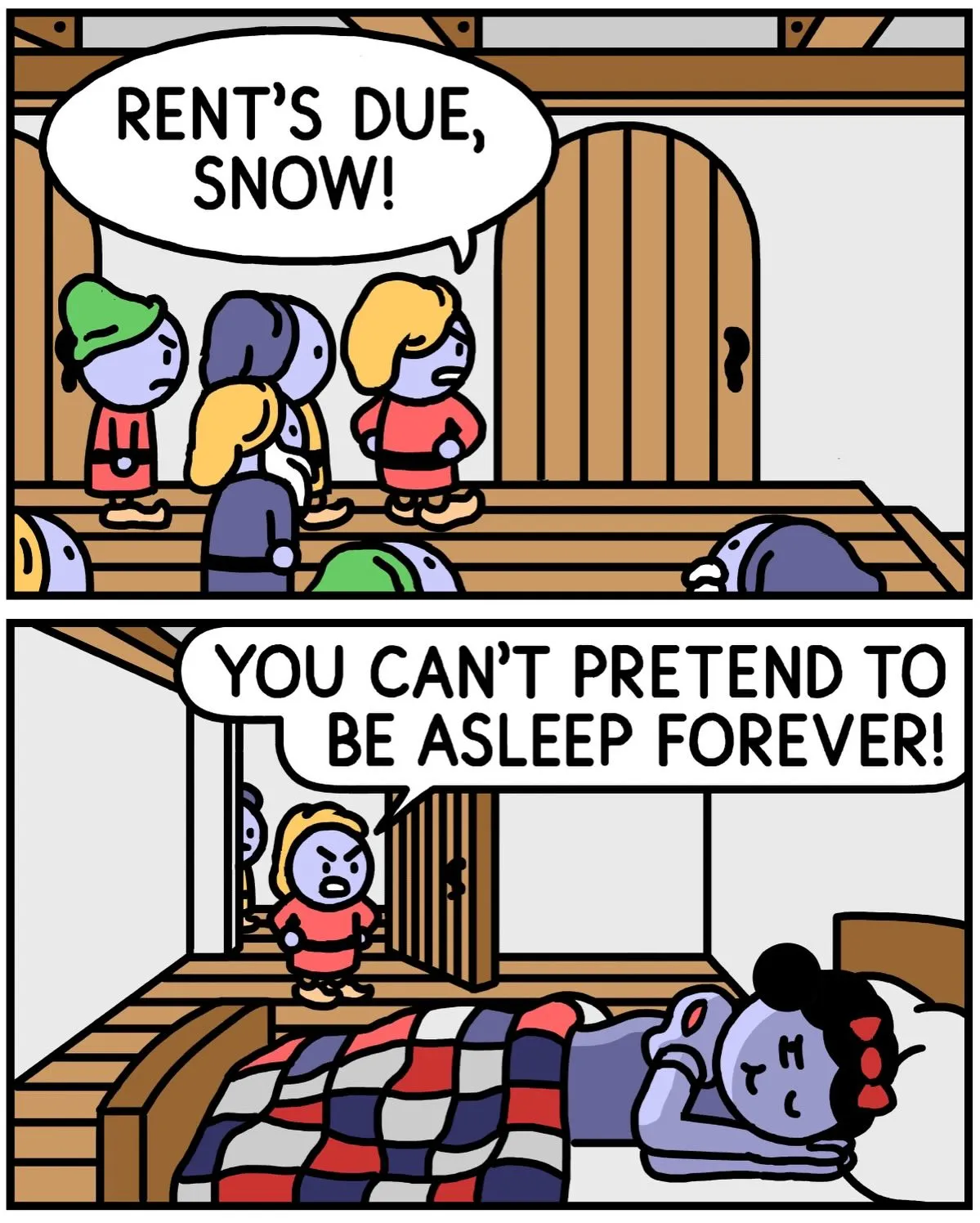
What surprise does strip #4 hold?
Why does the bootleg complaint take on a second meaning in strip #5?
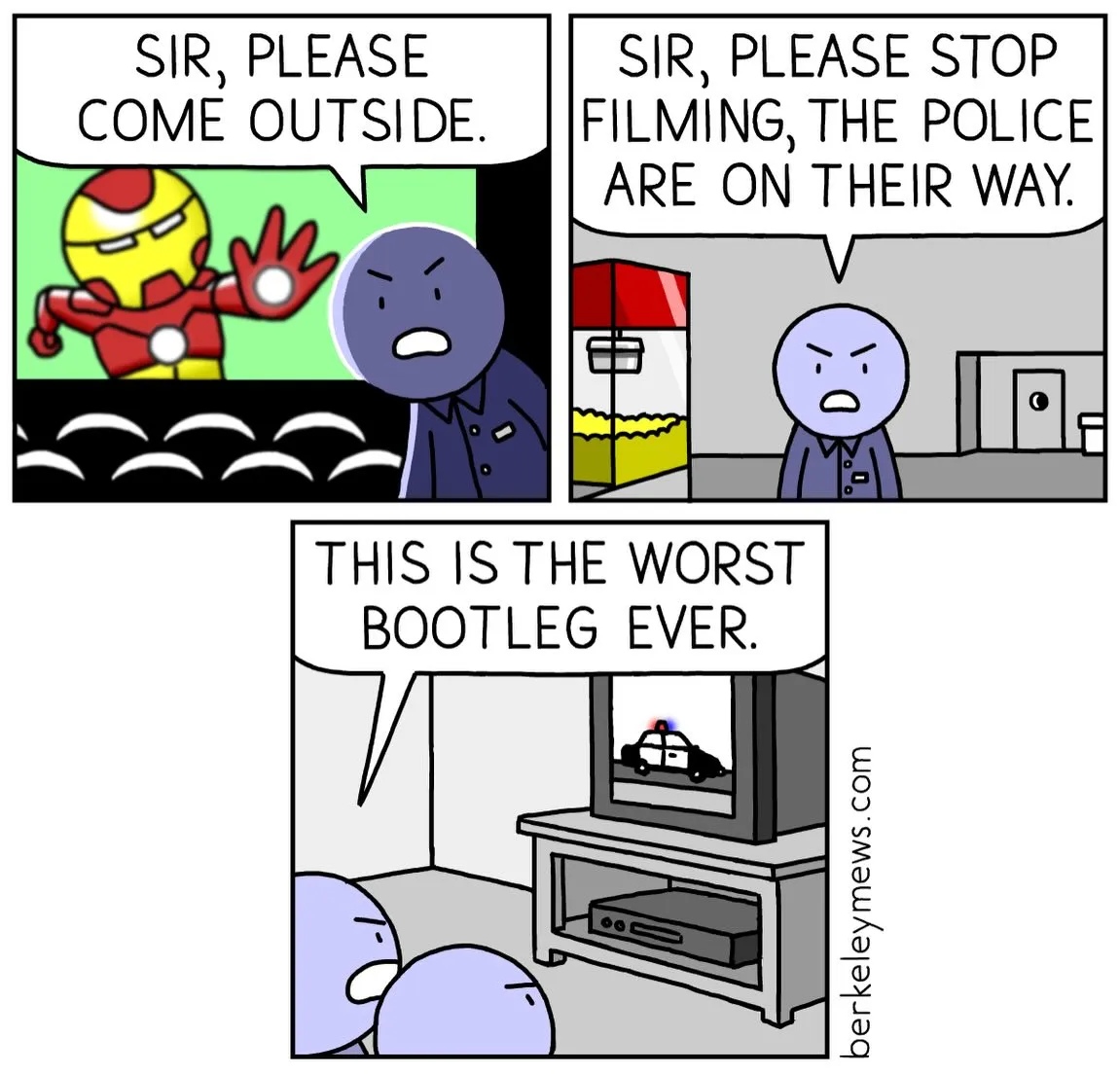
The warning interrupts the screen recording; the final television image gives the viewer’s “worst bootleg” complaint a second meaning.
What unexpected turn happens in strip #6?
What's the twist in strip #7?
What reversal strikes in strip #8?
How does the alien answer mission control in strip #9?
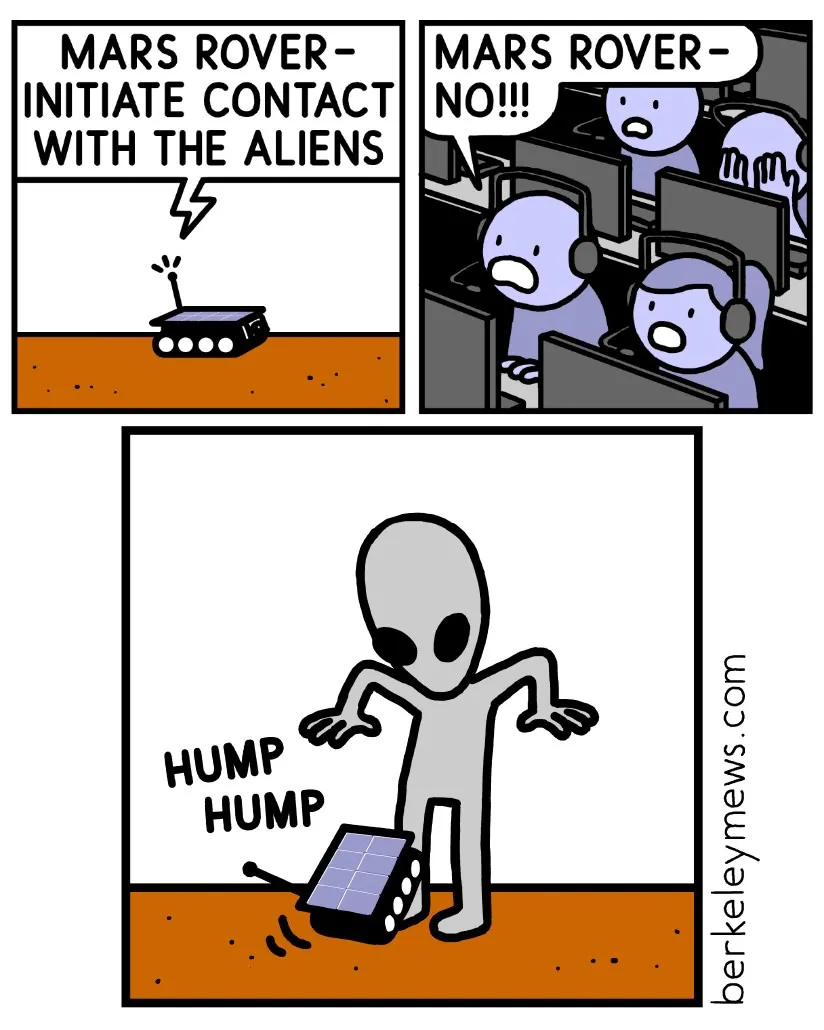
Mission control asks for first contact; the alien answers with a decidedly non-diplomatic greeting.
What surprise lands in strip #10?
How does the zombie chant turn affectionate in strip #11?
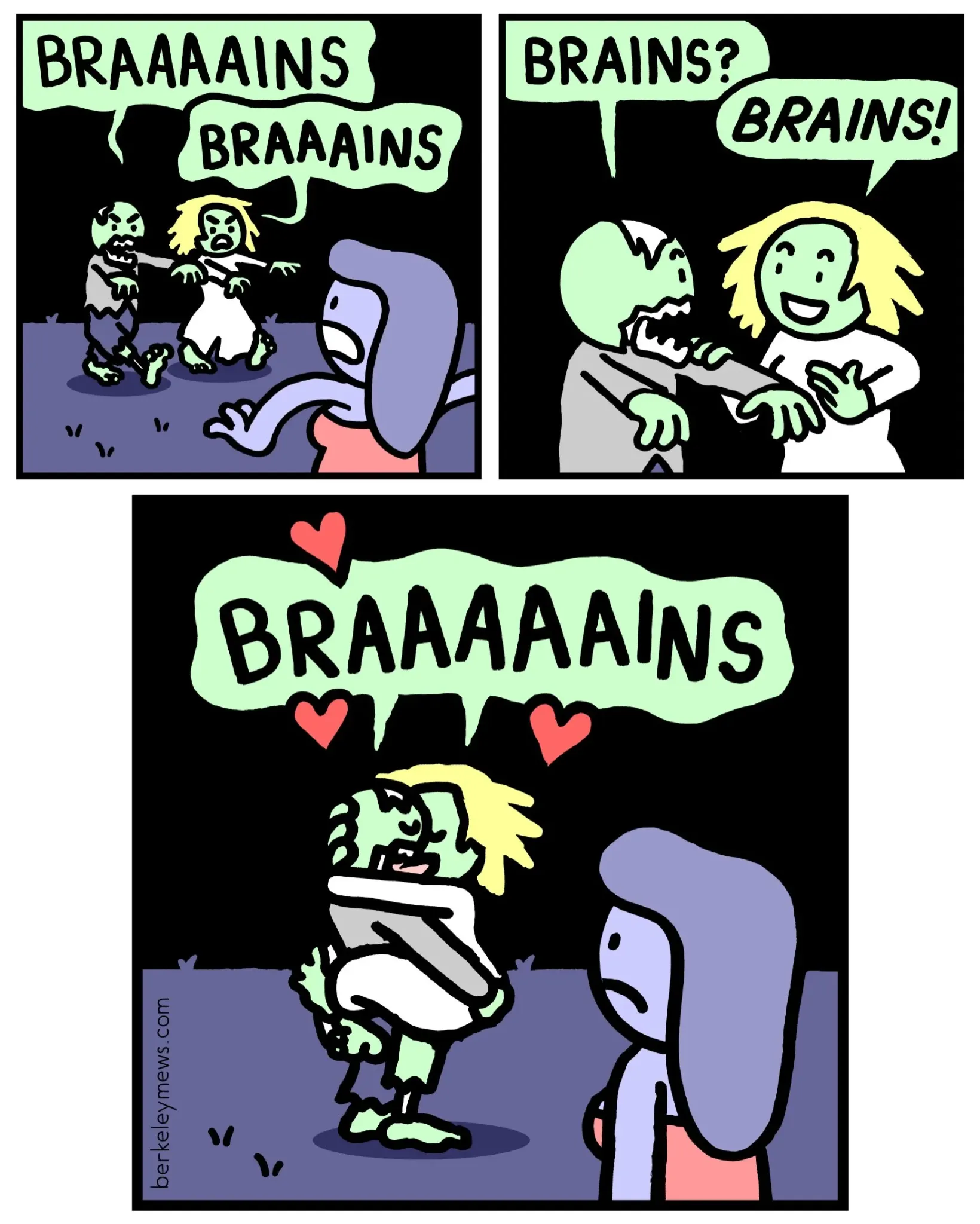
A zombie hunger chant turns affectionate when an embrace and hearts recast “brains” as a crush.
What twist unfolds in strip #12?
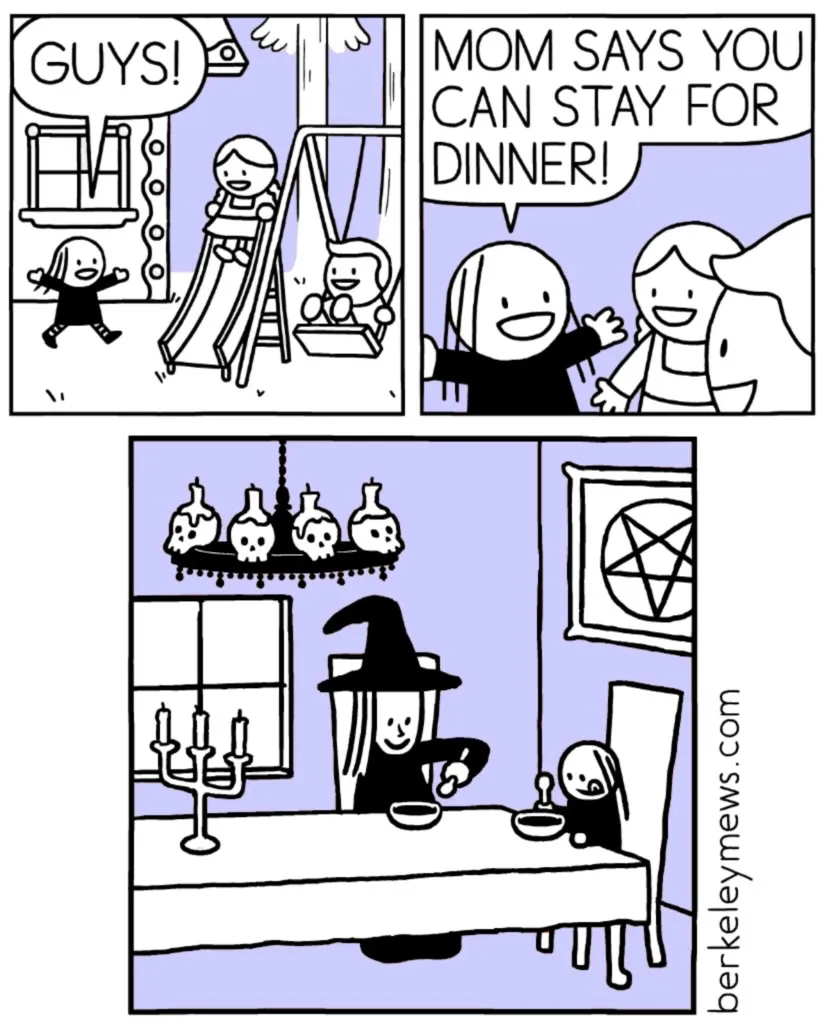
What unexpected moment arrives in strip #13?
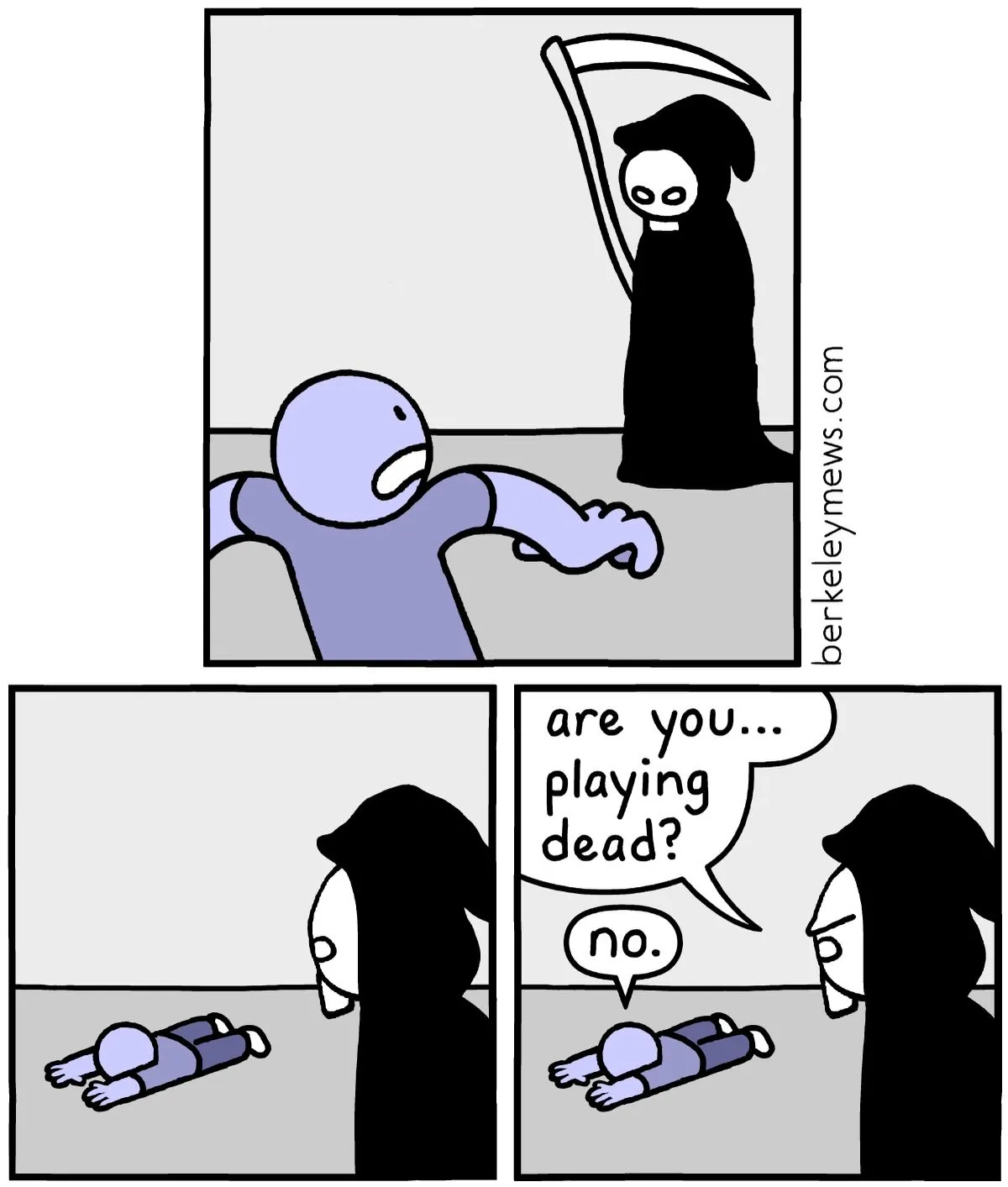
How does 'paws up' become 'pss pss' in strip #14?
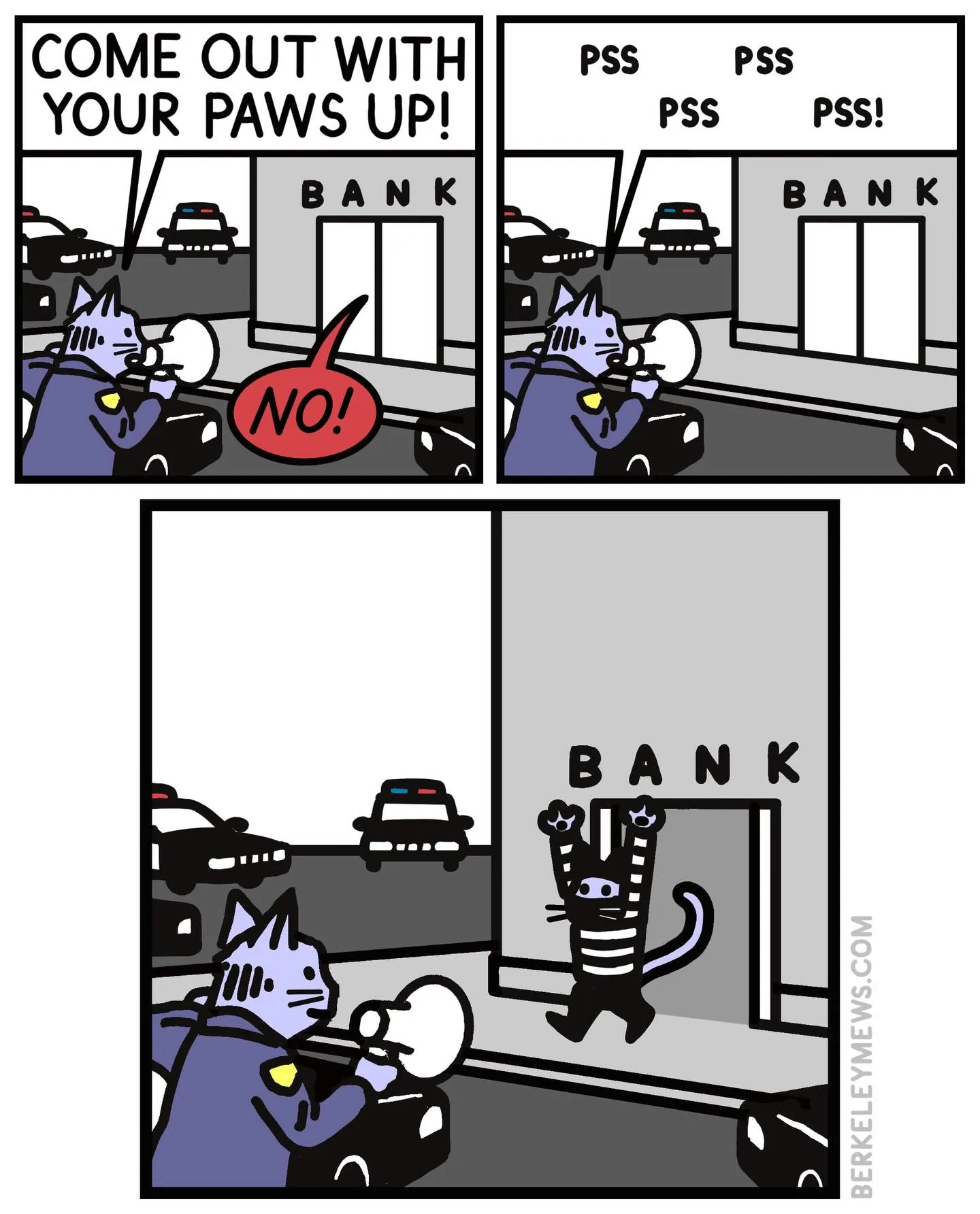
“Paws up” becomes “pss pss”: the cat-calling sound works better than the police command.
What surprise hides in strip #15?
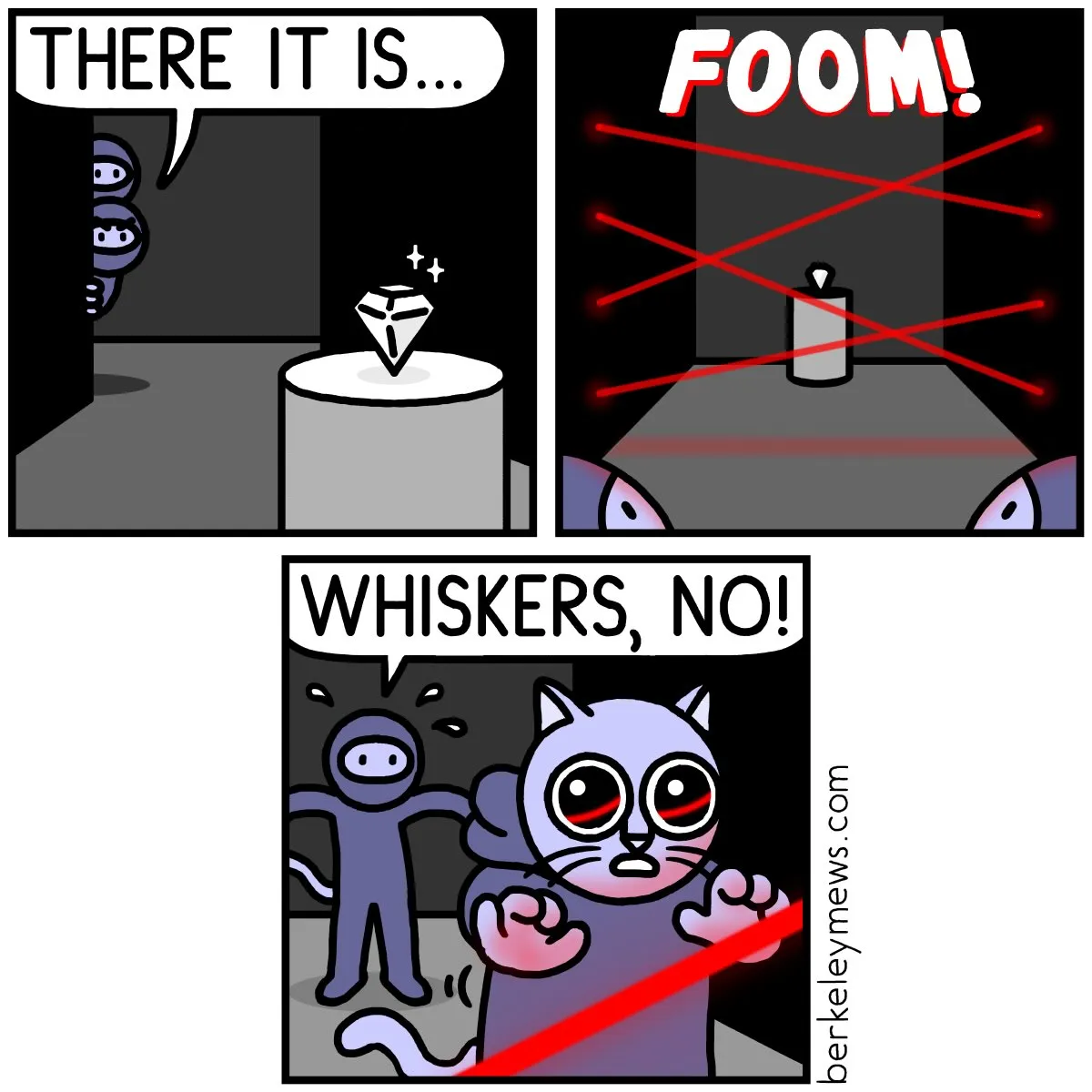
What twist does strip #16 deliver?
How does the high-noon duel end in strip #17?
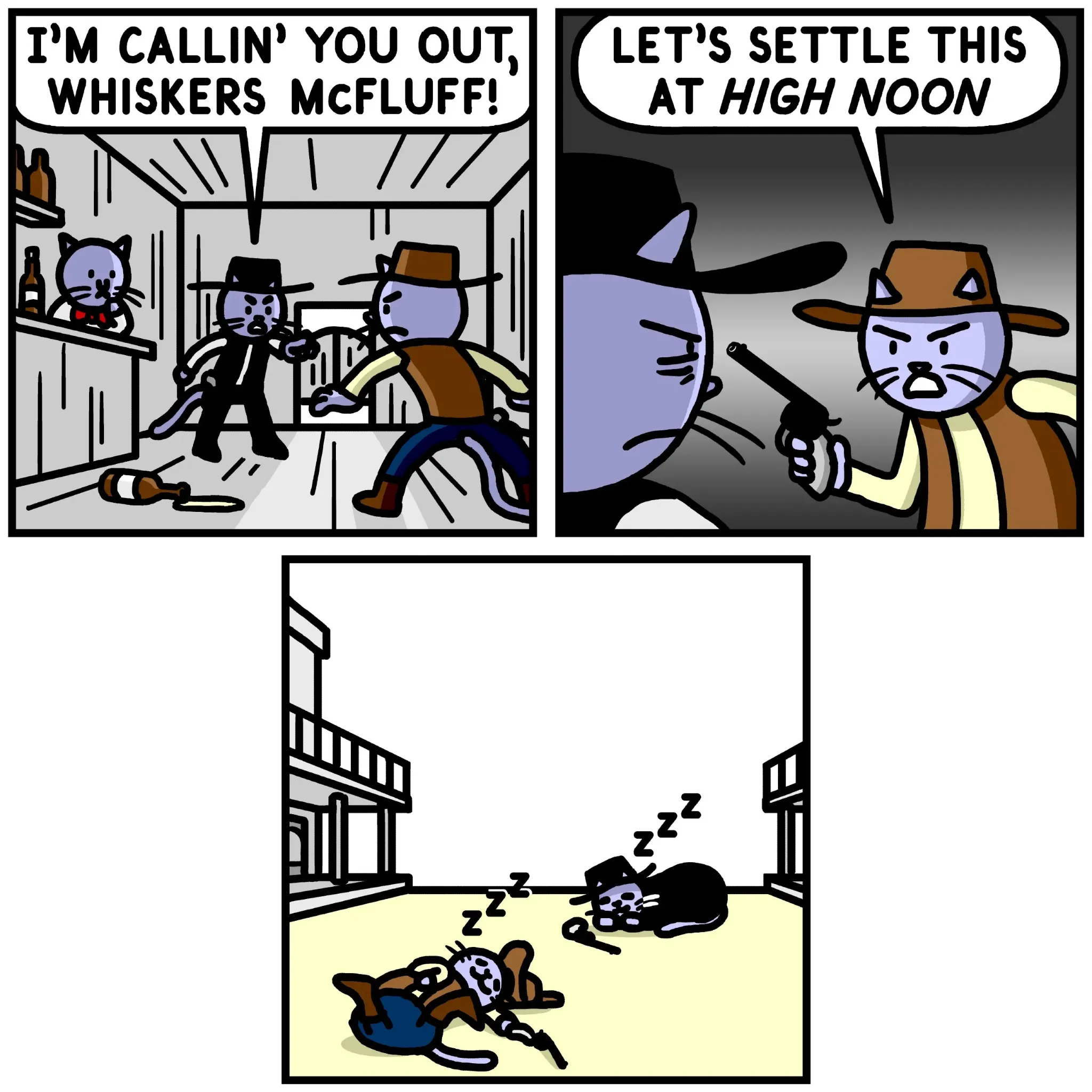
The high-noon duel ends with both gunfighters asleep, making the dramatic build-up look exhausting.
What unexpected turn comes in strip #18?
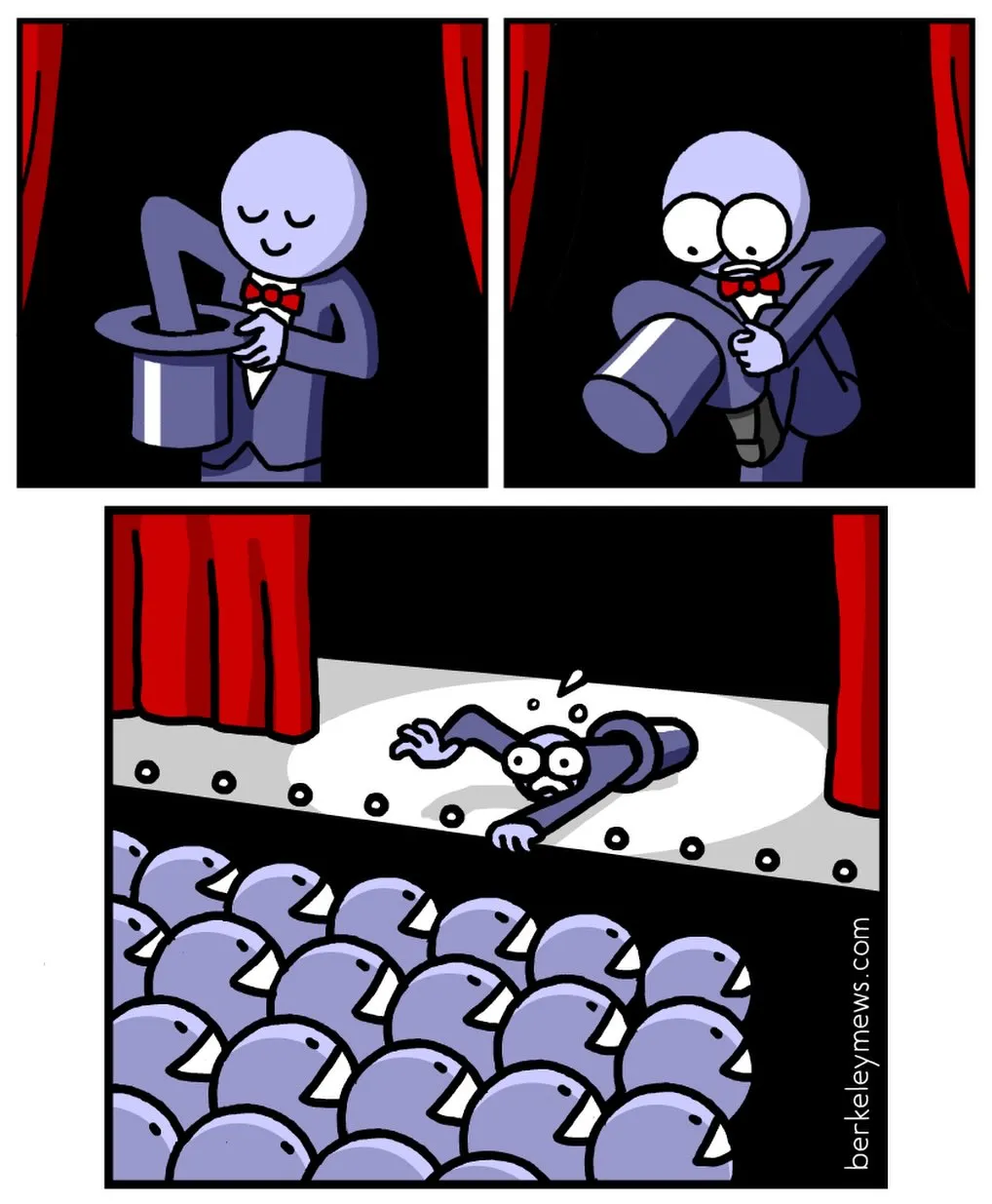
How does the bedside farewell become a credits gag in strip #19?
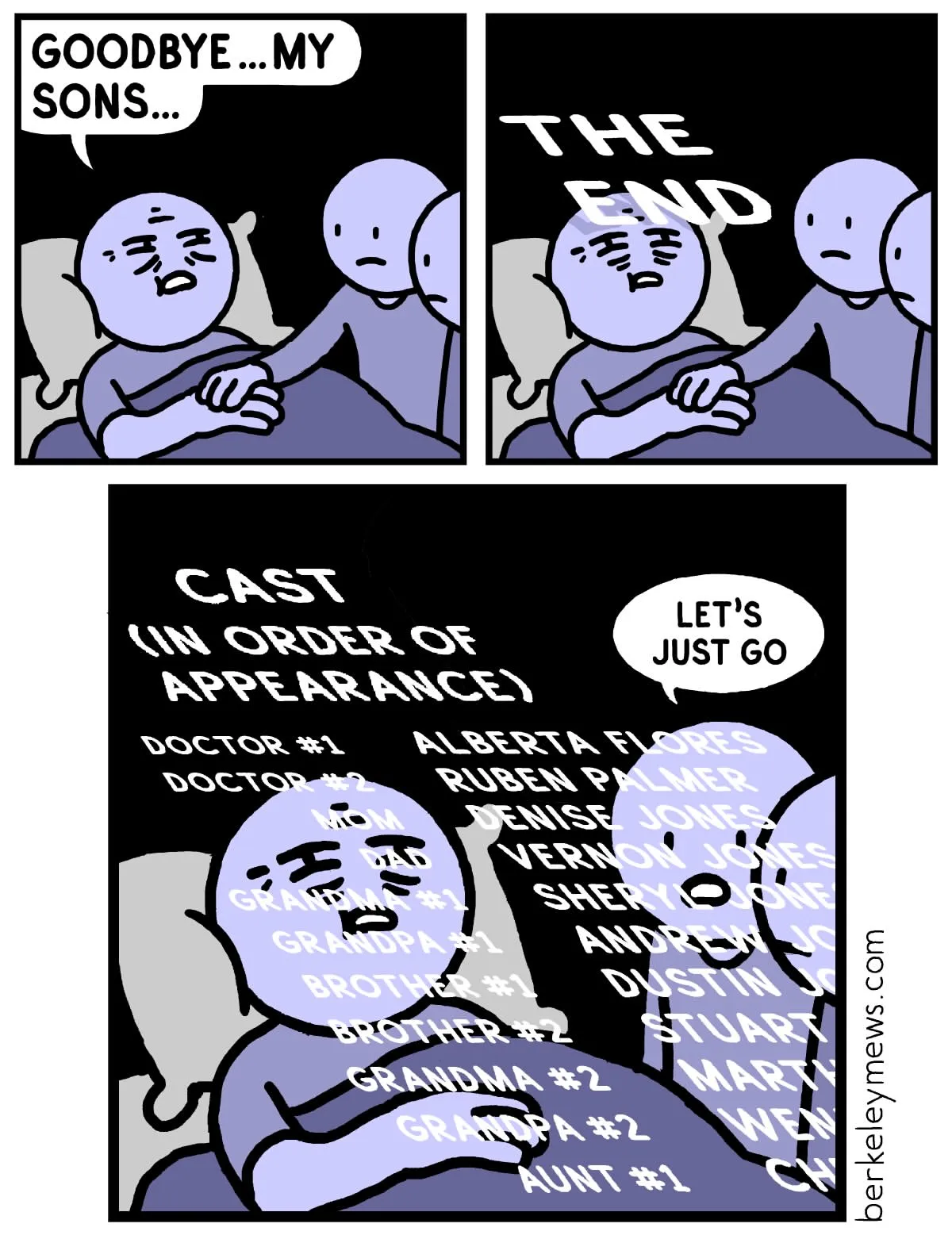
The bedside farewell shifts into a credits gag as the family appears in the cast list.
Who is Ben Zaehringer and where can you find him?
Ben Zaehringer launched Berkeley Mews in 2009. His official website links to his Instagram profile and other social channels. The Berkeley Mews page on GoComics displayed 4,192 followers when checked on November 4, 2026; that is a GoComics figure, not a combined audience. Instagram’s live follower count was unavailable during this check. Readers can also visit our earlier Berkeley Mews feature and previous comic gallery.
Which strip delivers the best final turn?
Which strip delivers the best final turn: the sleepy showdown, the zombie romance or one of the cats’ schemes?
🎭 Comic Highlights & Relatable Takeaways
✨ The doctor's notes look attentive until the close-up reveals a page full of sleep symbols, meaning the diagnosis was hiding in plain sight.
✨ The calm verdict lasts one panel before the doctor's horrified face and the patient's detailed eyes undo it.
✨ A zombie hunger chant turns affectionate when an embrace and hearts recast 'brains' as a crush.
✨ 'Paws up' becomes 'pss pss' because the cat-calling sound works better than the police command.
💬 Comic Q&A & Behind the Scenes
💭 What makes Berkeley Mews comics so good at unexpected twists?
Ben Zaehringer sets up ordinary moments—a tired patient, a phone check—then lets one small detail flip the scene into something grim or absurd. His clean, rounded cartooning keeps things inviting right up until the punchline turns, so the reversal lands harder than it would in a messier style.
💭 Why do the Berkeley Mews strips feel connected even though they aren't one story?
The common thread is abrupt reversal, visual misdirection, and characters meeting extraordinary events with everyday confidence. Whether it's a doctor's office, a Mars mission, or a cowboy showdown, each strip shares that same deadpan rhythm, so the collection reads like a themed gallery rather than a random assortment.
💭 How does visual misdirection work in strips like the doctor's notes or the bootleg recording?
In the doctor strip, attentive notes turn out to be a page of sleep symbols, hiding the diagnosis in plain sight. The bootleg gag gives a viewer's complaint a second meaning through the final television image. Zaehringer plants the clue visually, then lets the close-up or last panel reframe everything you just saw.
💭 Who is Ben Zaehringer, and where can readers follow Berkeley Mews?
Zaehringer launched Berkeley Mews in 2009, and his official website links to Instagram and other social channels. The GoComics page showed 4,192 followers when checked on November 4, 2026—a GoComics figure, not a combined audience. Instagram's live count was unavailable during that check.
💭 Which Berkeley Mews strip delivers the best final turn?
It depends on your taste for dark humor. The sleepy high-noon duel makes the dramatic build-up look exhausting, the zombie hunger chant turns sweet when an embrace recasts 'brains' as a crush, and the cats' 'paws up' becoming 'pss pss' is a quiet gem. Each rewards a second read.
📖 Comic Transcript, Scene Description & Humor Notes (Click to Expand)
🎨 Scene & Visual Setup
Ben Zaehringer's clean, rounded cartooning sets up familiar, low-stakes scenes: a tired patient in an exam room, a passenger glancing at a phone, a figure asleep under a blanket, a hooded Grim Reaper standing over someone face down. The characters wear the same deadpan calm whether they're meeting a monster, an alien, or a landlord. Soft lines and simple shapes keep everything inviting, while small visual details—a mirror reflection, a cracked windshield, a speech bubble full of hearts—quietly plant the clue that flips the whole scene.
💬 Panel & Dialogue Breakdown
- Panel 1: A tired patient visits the doctor, who scribbles attentive-looking notes before the patient drifts off.
- Panel 2: During an eye exam, the doctor declares the eyes normal, then recoils when the patient's detailed eyes are revealed.
- Panel 3: Children demand rent from a sleeping figure named Snow, insisting that playing asleep won't dodge the bill.
- Panel 4: A cat-faced figure orders someone out with 'paws up' outside a bank, then switches to a familiar cat-calling sound as a striped cat emerges.
💡 Why It's So Relatable
These strips work because they start with gripes we all recognize—exhaustion, rent, awkward small talk—then let one sly detail reframe everything. The deadpan reactions make the absurd feel routine, so the reversal lands as a delighted surprise rather than a shock.


