


Quick Answer: Cyanide & Happiness is a long-running webcomic known for dark comedy, satire, surreal situations and simple stick-figure artwork. It debuted on January 26, 2005, created by Kris Wilson, Rob DenBleyker, Matt Melvin and Dave McElfatrick. Despite creator changes, including Matt Melvin's 2014 departure and Dave McElfatrick stepping down in 2025, Explosm continues publishing new comics, with recent entries appearing in 2026. The strip's formula of minimal art, fast setups and unpredictable punchlines keeps it recognizable and relevant more than two decades later.
- Series: Cyanide & Happiness Comics
- Creators: Kris Wilson, Rob DenBleyker, Matt Melvin and Dave McElfatrick
- More Info: Instagram
Cyanide & Happiness has spent more than two decades turning simple stick figures into vehicles for some of the internet’s darkest jokes. Created by Kris Wilson, Rob DenBleyker, Matt Melvin and Dave McElfatrick, the webcomic debuted in January 2005 and built its identity around short setups, sharp reversals and deliberately uncomfortable punchlines.
#1

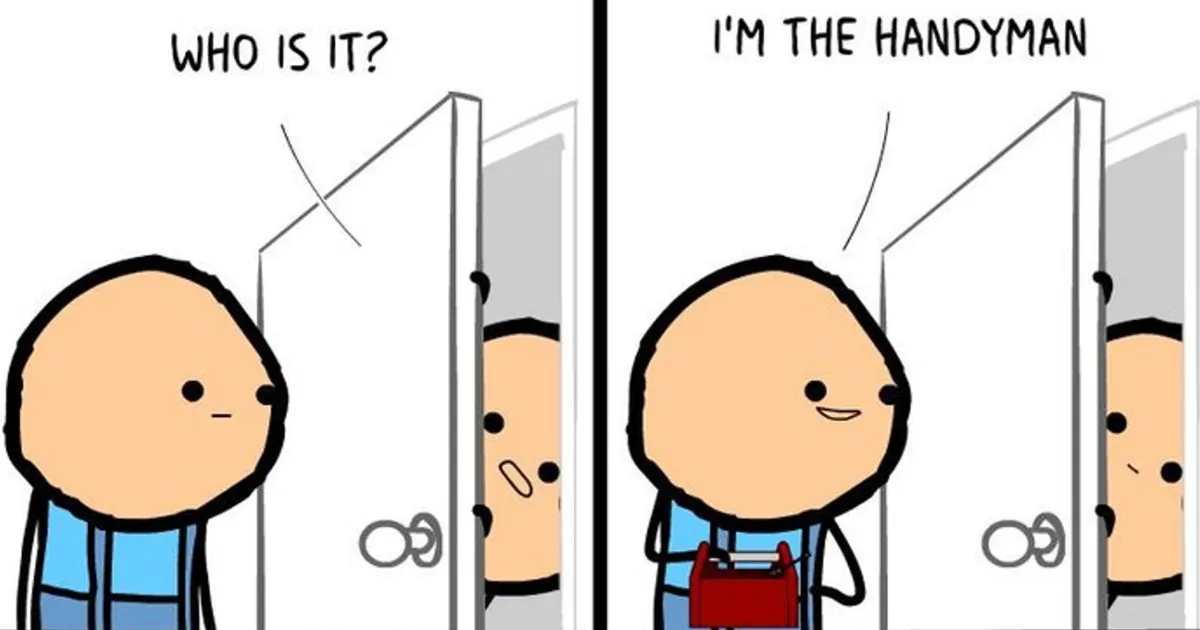
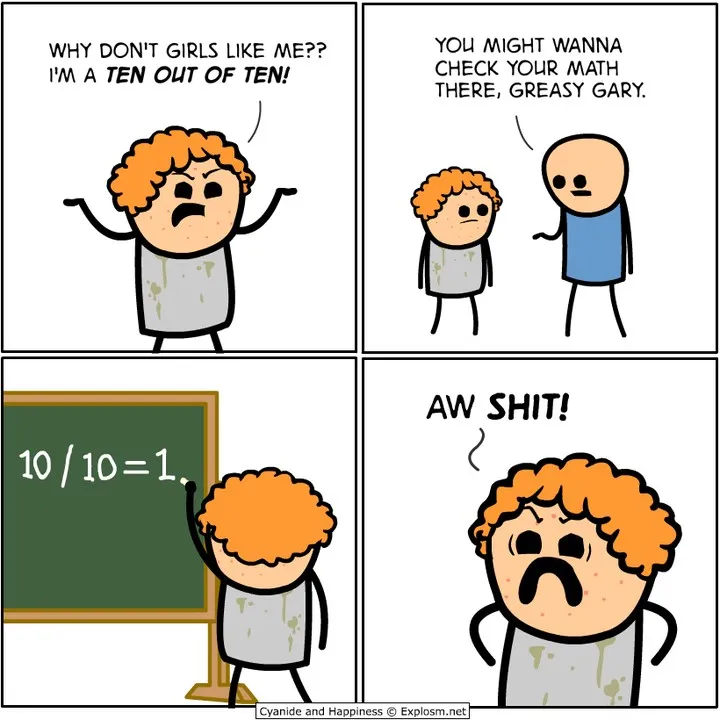
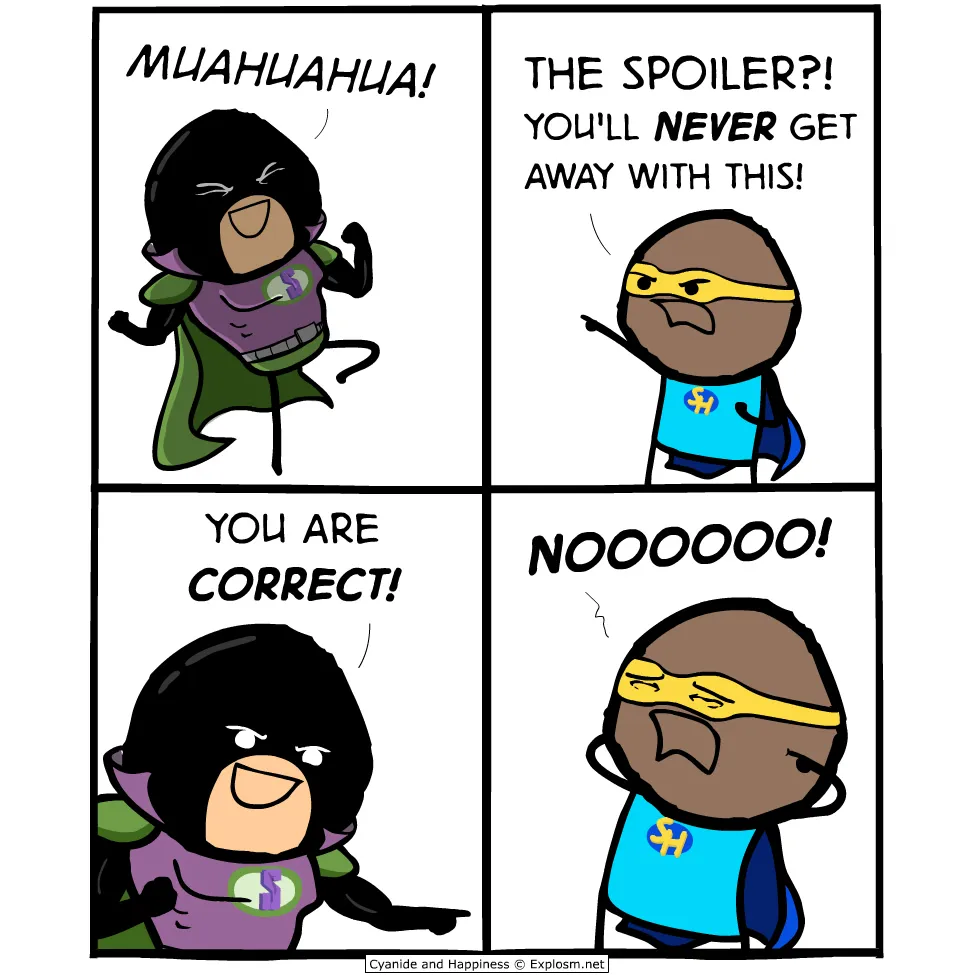
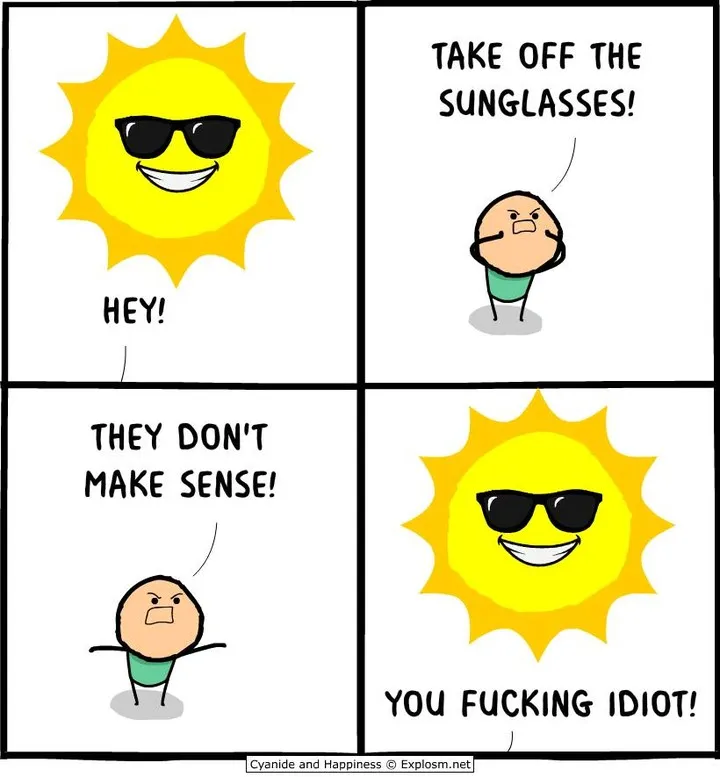
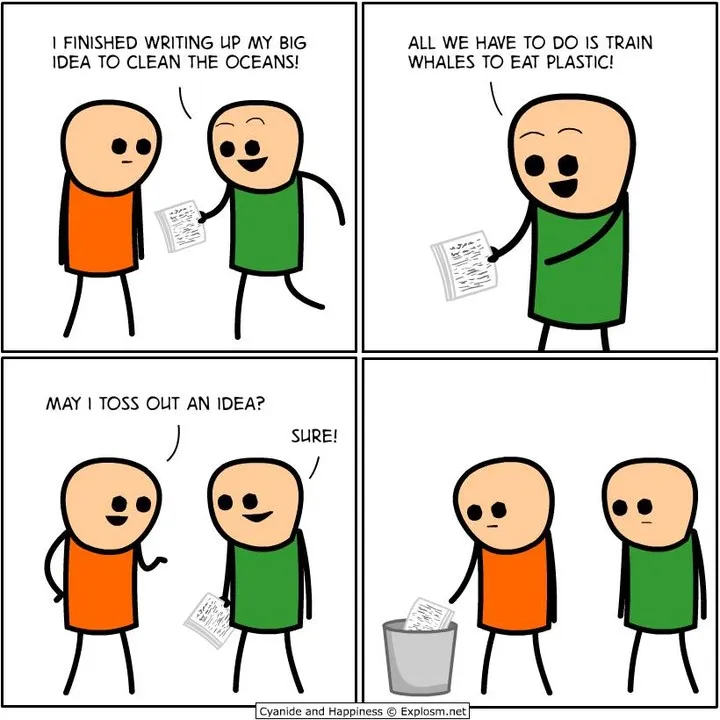
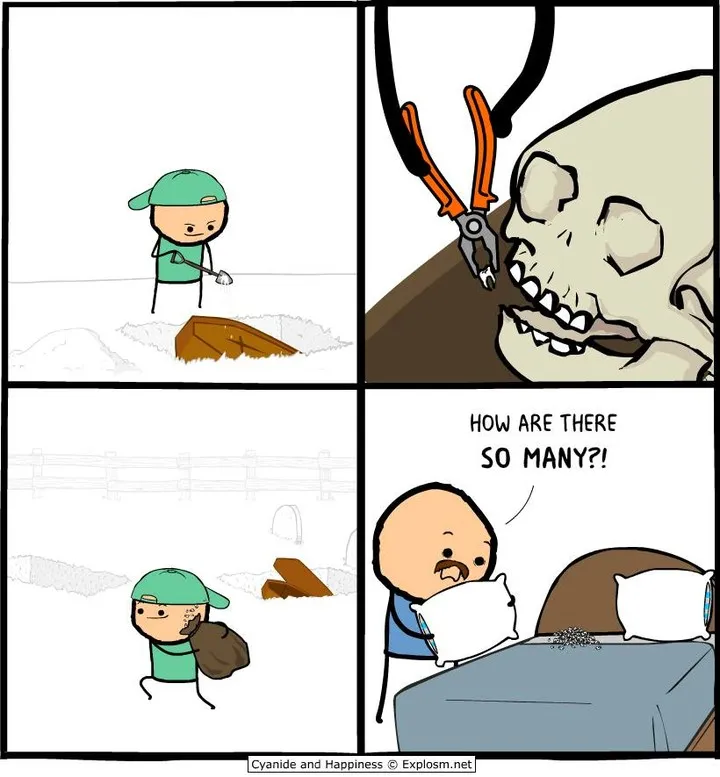
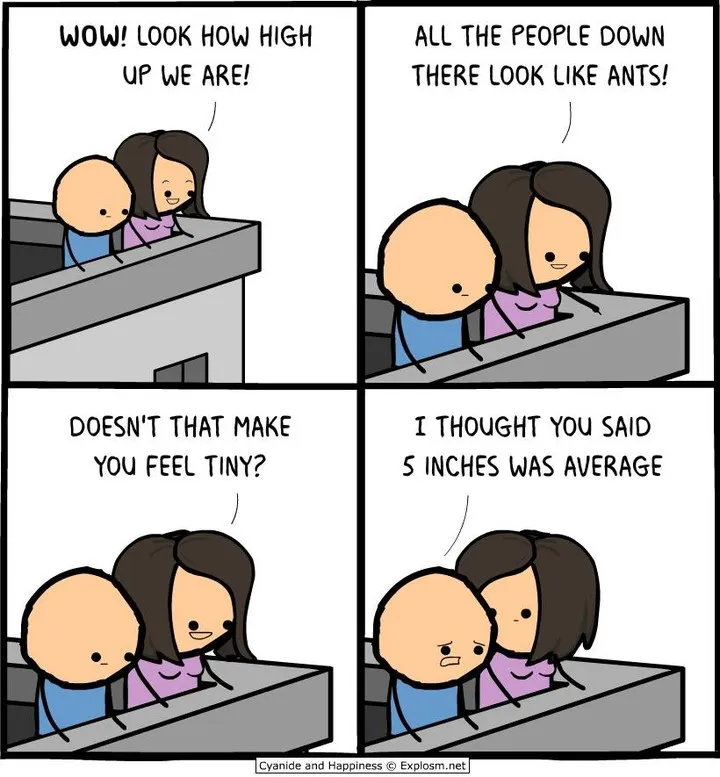
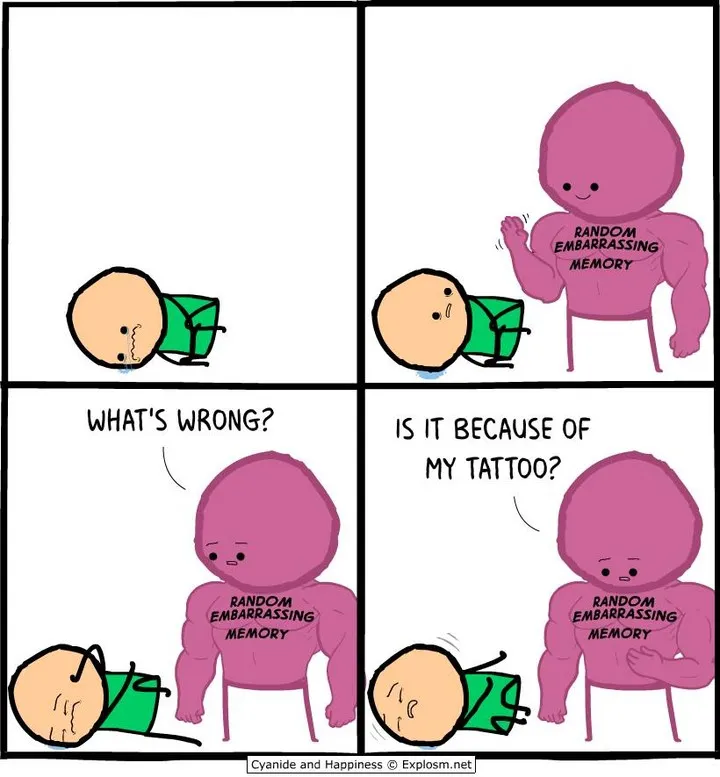
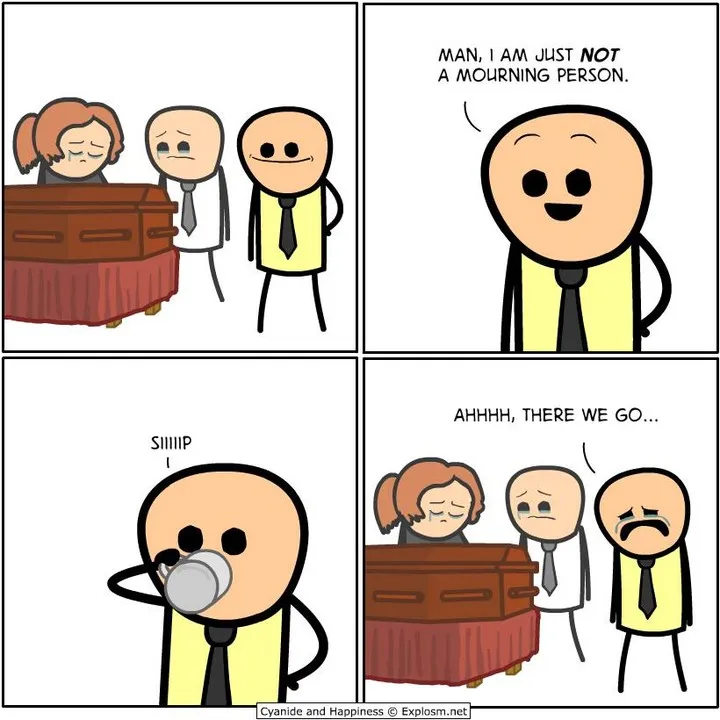
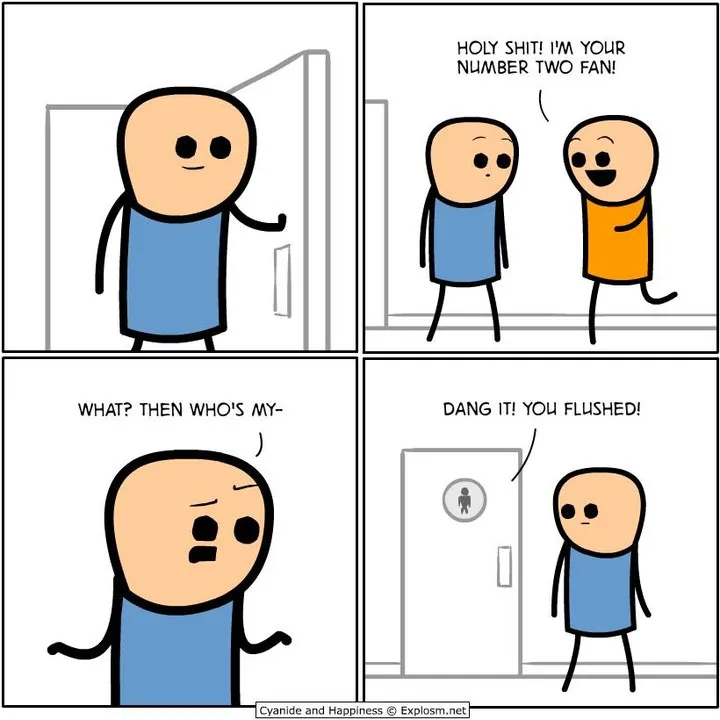
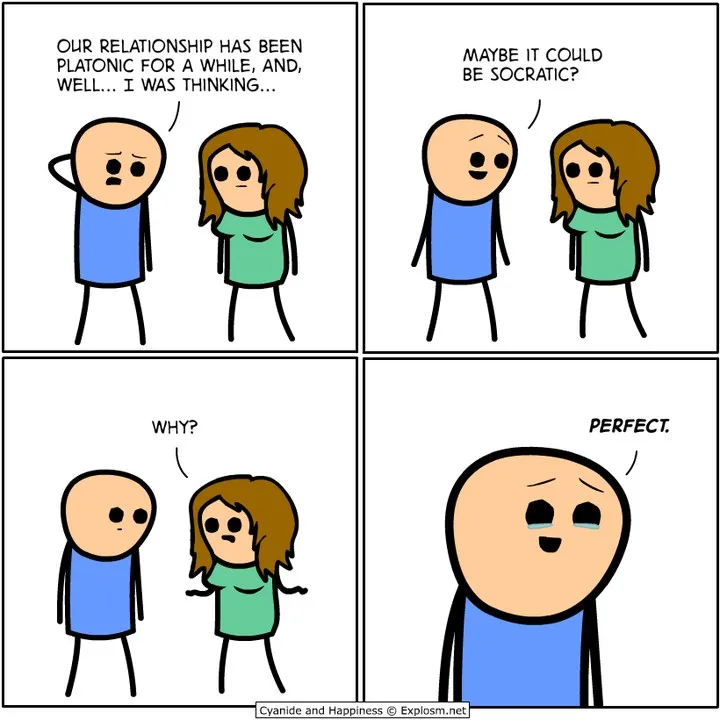
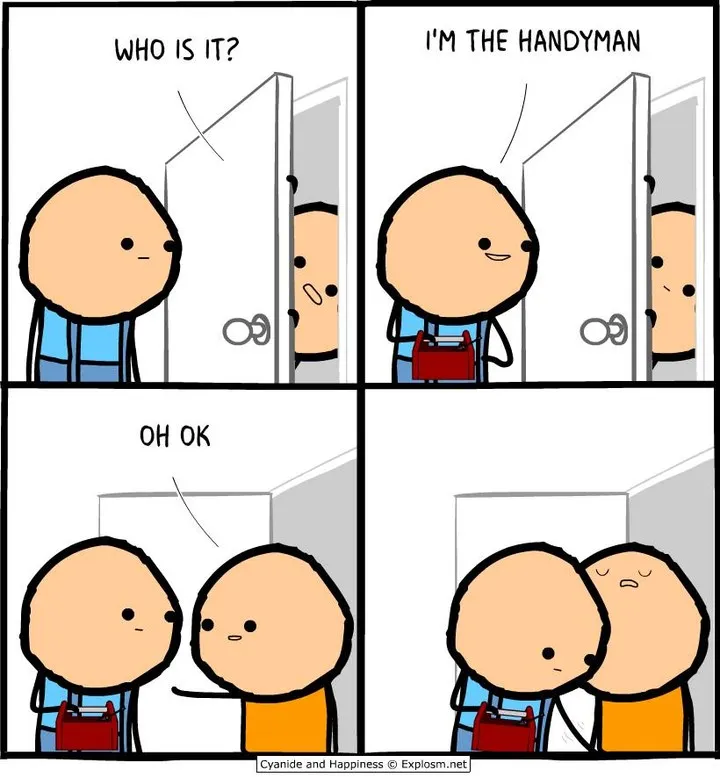
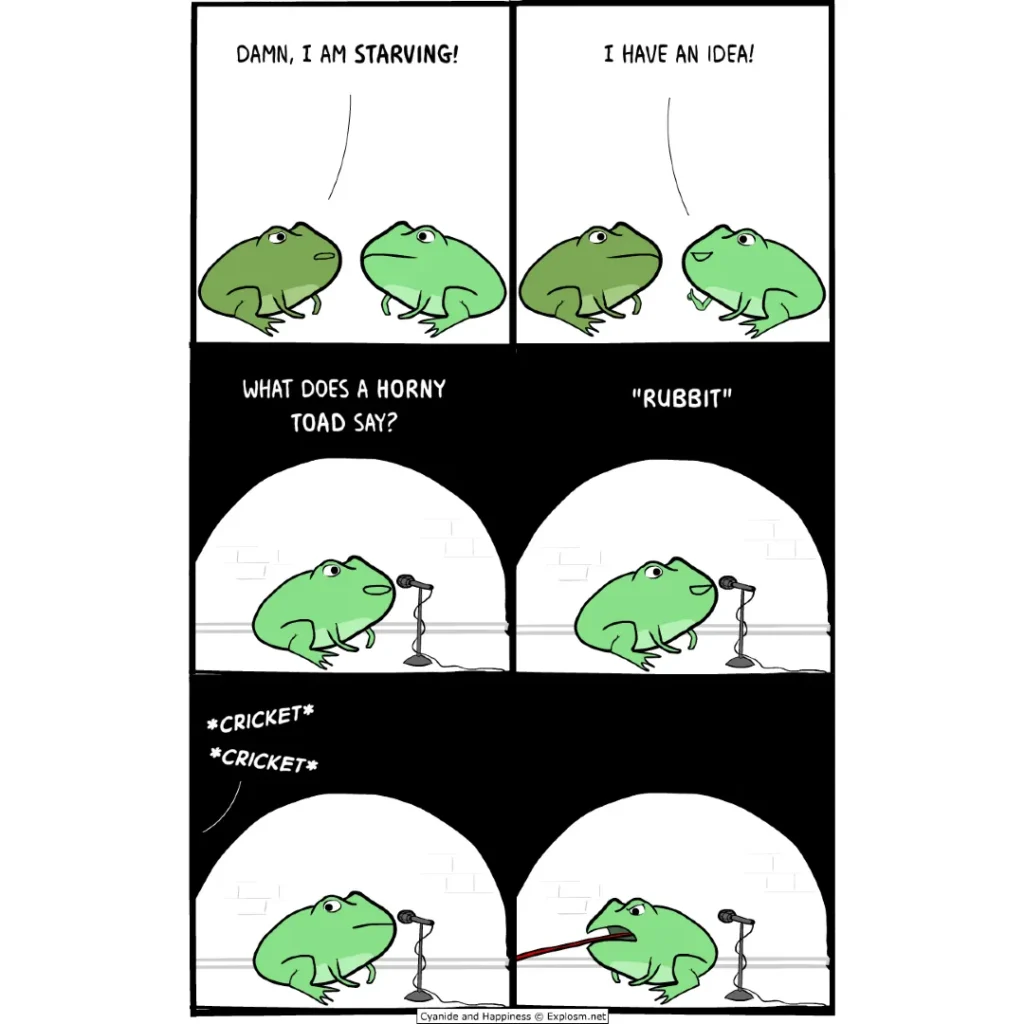
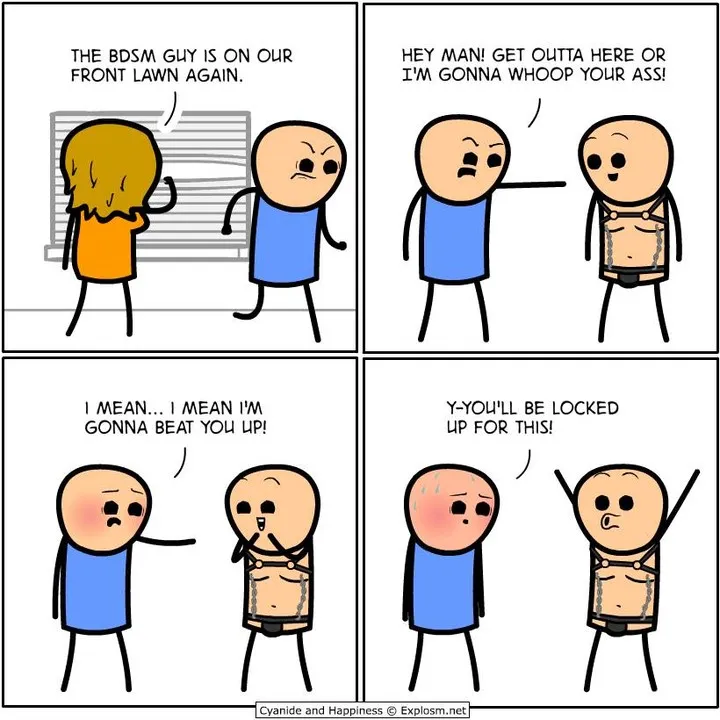
For readers discovering the series today, these 25 newer strips offer a useful snapshot of the humor that keeps Cyanide & Happiness recognizable: minimal art, fast setups and punchlines that rarely go where a reader expects.
#2
#3
#4
#5
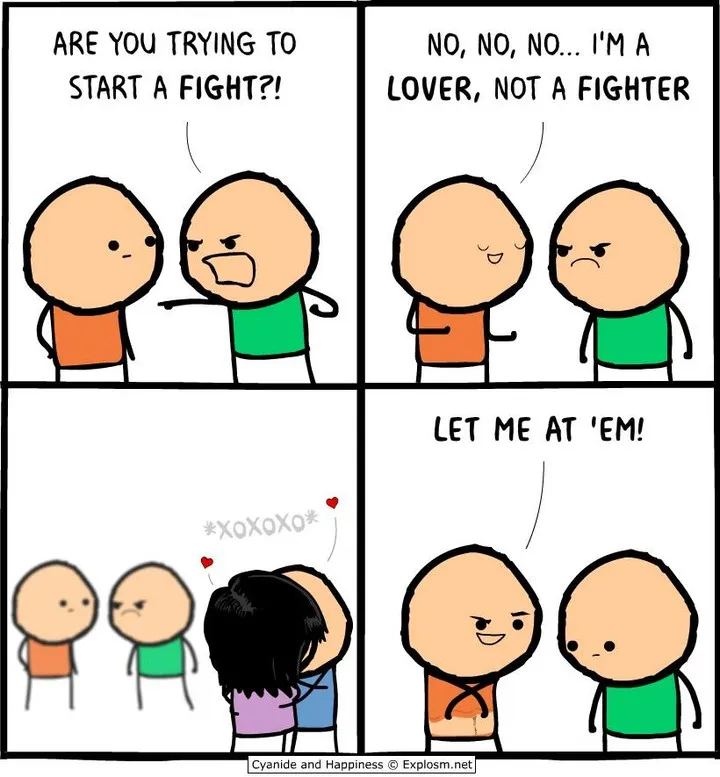
#6
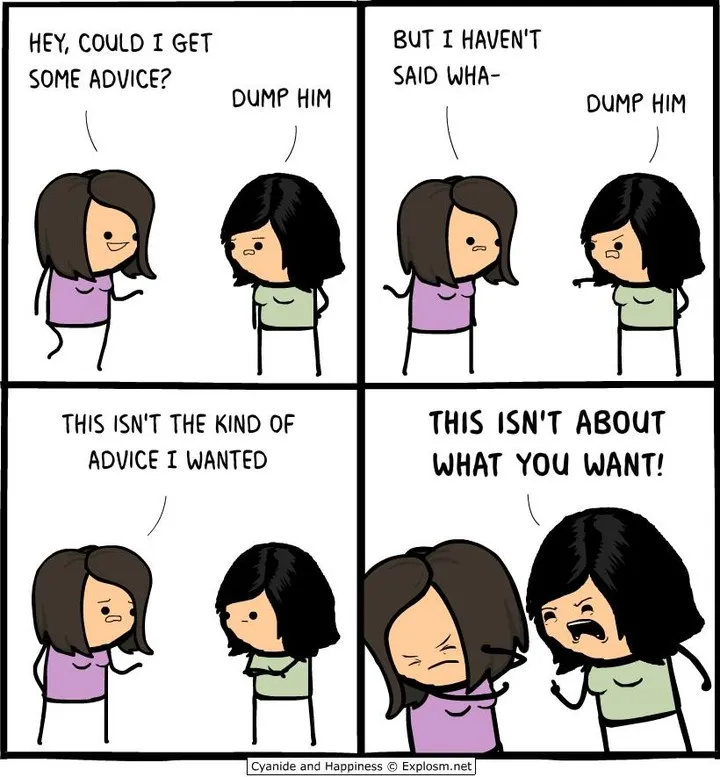
#7
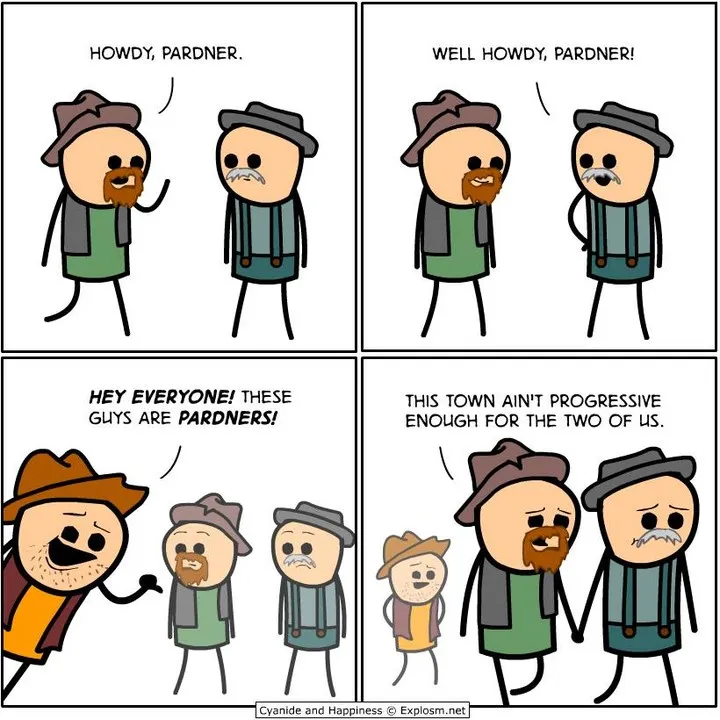
#8
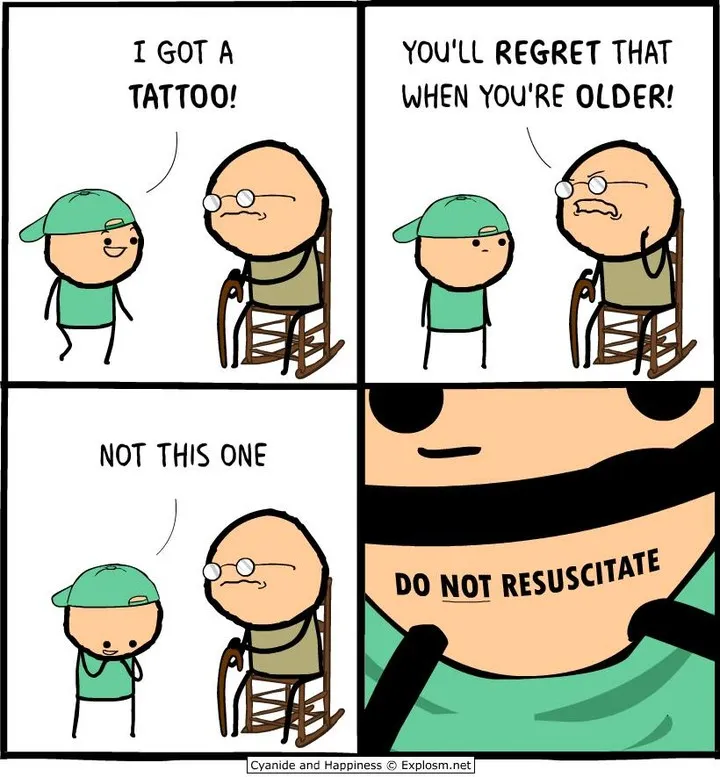
#9
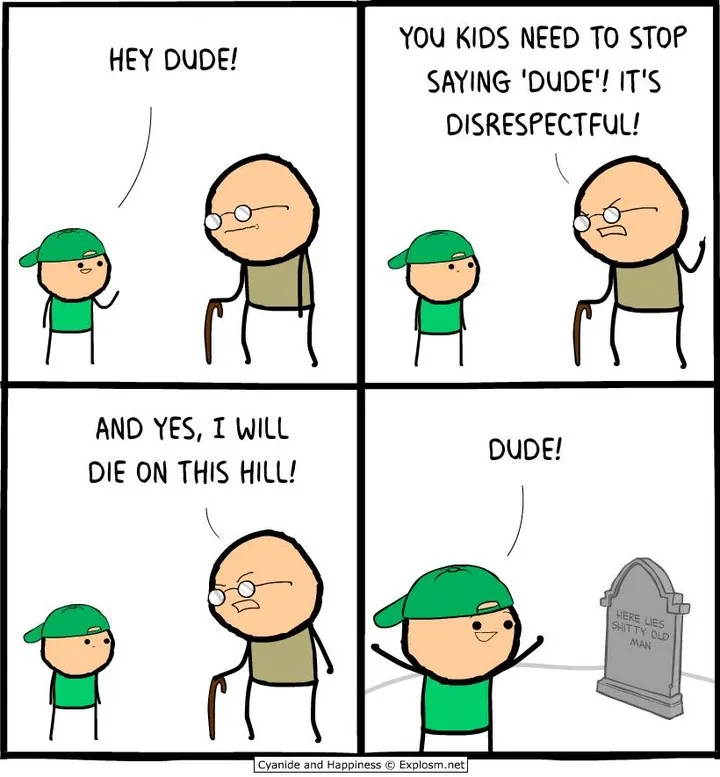
#10
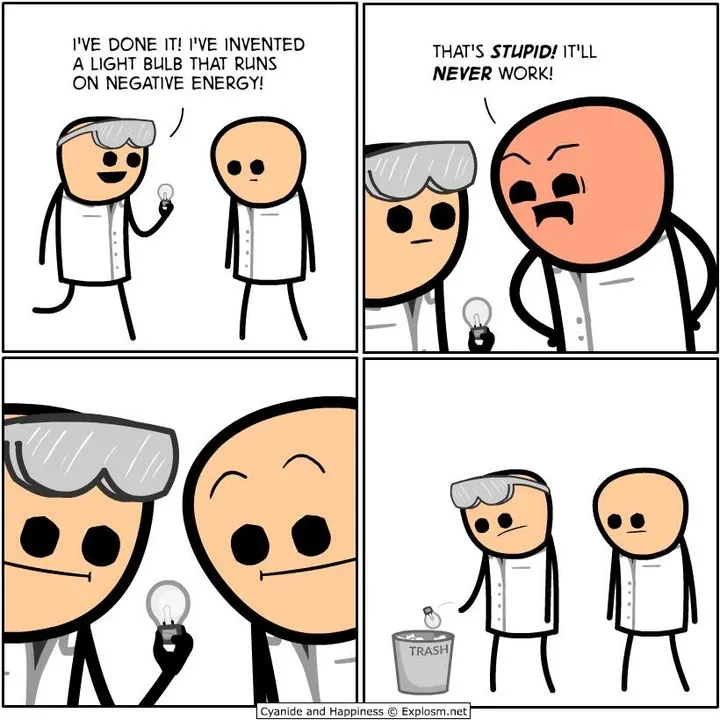
What makes the latest material particularly interesting is how little the core formula needs to change. Even after major changes among the original creators—including Matt Melvin’s departure in 2014 and Dave McElfatrick stepping down in 2025—the comic continues to appear on Explosm.
#11
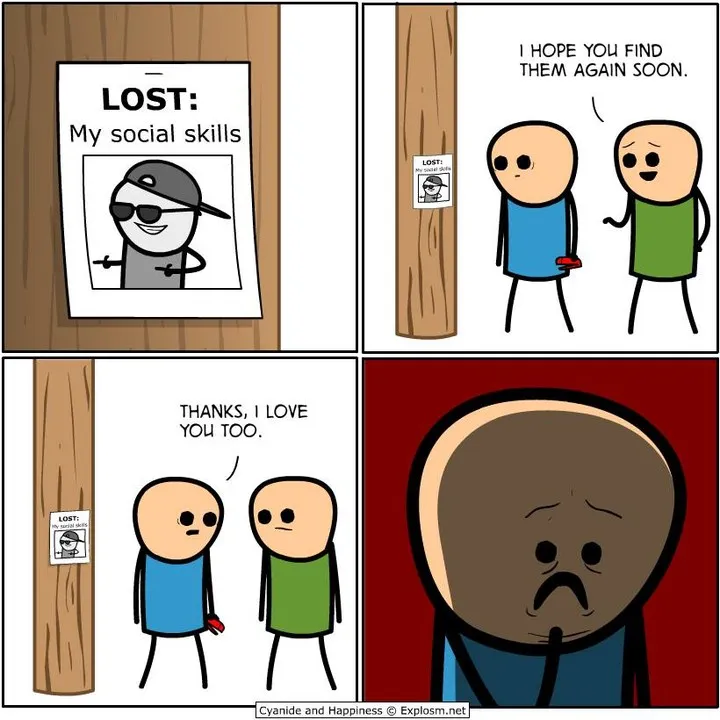
#12
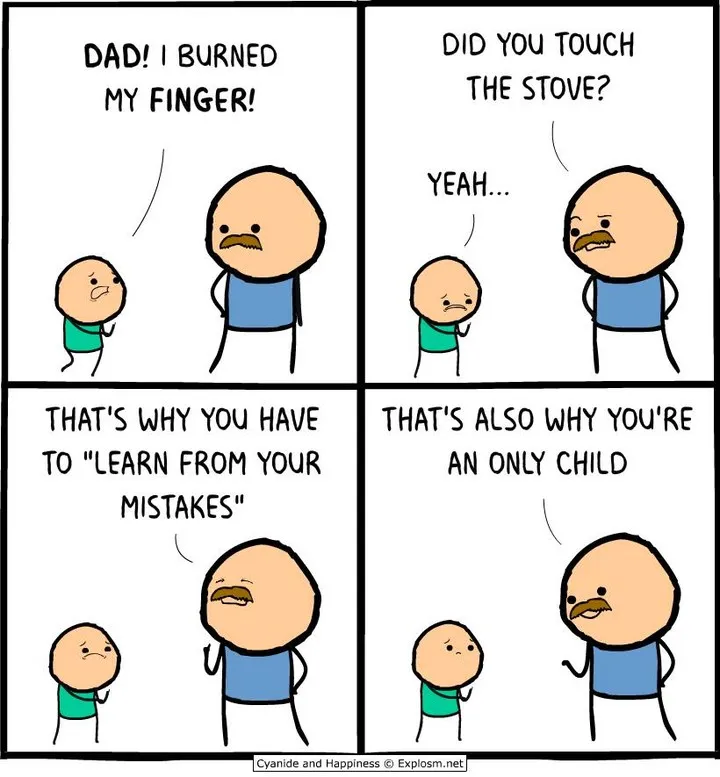
#13

#14

#15
#16
#17
#18
#19
#20

That consistency is perhaps the biggest reason the strip remains relevant. More than 20 years after its debut, Cyanide & Happiness still understands the basic mechanics of a good webcomic: establish a familiar situation, keep the artwork economical and make the final panel count.
#21
#22
#23
#24
#25
What is Cyanide & Happiness?
Cyanide & Happiness is a long-running webcomic known for dark comedy, satire, surreal situations and simple stick-figure artwork.
When did Cyanide & Happiness start?
The webcomic debuted on January 26, 2005.
Who created Cyanide & Happiness?
The original creators were Kris Wilson, Rob DenBleyker, Matt Melvin and Dave McElfatrick.
Is Cyanide & Happiness still publishing comics?
Yes. Explosm continues to publish Cyanide & Happiness comics, with recent entries appearing on the official site in 2026.
Key Data & Statistics
Cyanide & Happiness has spent more than two decades turning simple stick figures into some of the internet's darkest jokes.
The webcomic debuted on January 26, 2005.
Matt Melvin departed from the original creators in 2014.
Dave McElfatrick stepped down in 2025.
Recent entries appeared on the official site in 2026.
Frequently Asked Questions
What is Cyanide & Happiness?
Cyanide & Happiness is a long-running webcomic known for dark comedy, satire, surreal situations and simple stick-figure artwork. It debuted in January 2005 and has spent more than two decades turning minimal stick figures into vehicles for some of the internet's darkest jokes.
Who created Cyanide & Happiness?
The original creators were Kris Wilson, Rob DenBleyker, Matt Melvin and Dave McElfatrick. Matt Melvin departed in 2014 and Dave McElfatrick stepped down in 2025, yet the comic continues to appear on Explosm under the remaining creators.
When did Cyanide & Happiness start?
The webcomic debuted on January 26, 2005. More than 20 years after its debut, it still understands the basic mechanics of a good webcomic: establish a familiar situation, keep the artwork economical and make the final panel count.
Why does Cyanide & Happiness remain relevant?
Its consistency is perhaps the biggest reason the strip remains relevant. Even after major changes among the original creators, the core formula barely needs to change, and the comic continues to appear on Explosm with the same recognizable dark humor.
How does Cyanide & Happiness build its humor?
It builds its identity around short setups, sharp reversals and deliberately uncomfortable punchlines. The strips use minimal art and fast setups, with punchlines that rarely go where a reader expects, which is why the humor stays recognizable.


