Behind the Comic: RedDot comics are the sneaky kind: they lure you in with lunch tables, rainy drives, and cozy picnics, then yank the rug with a single wicked detail. Kim Winder’s deadpan expressions make every reversal land like a friendly ambush. Nineteen strips of relationship gags, pop-culture mischief, and gloriously awkward exchanges await, each one begging you to reread the setup. Come for the calm faces, stay for the twists you genuinely won’t see coming.
The RedDot’s dark comics, humor comics often begin with ordinary scenes—a lunch table, a stormy drive, a picnic, or a couple at home—before one detail sends them somewhere unexpected. Calm expressions and familiar settings make the sudden reversals land harder.
Kim Winder’s collection moves between relationship jokes, pop-culture references, surreal scenes, and deliberately awkward exchanges. These 19 strips are strongest when a visual clue changes the meaning of a line, or a harmless setup veers into adult humor.
#1
#2
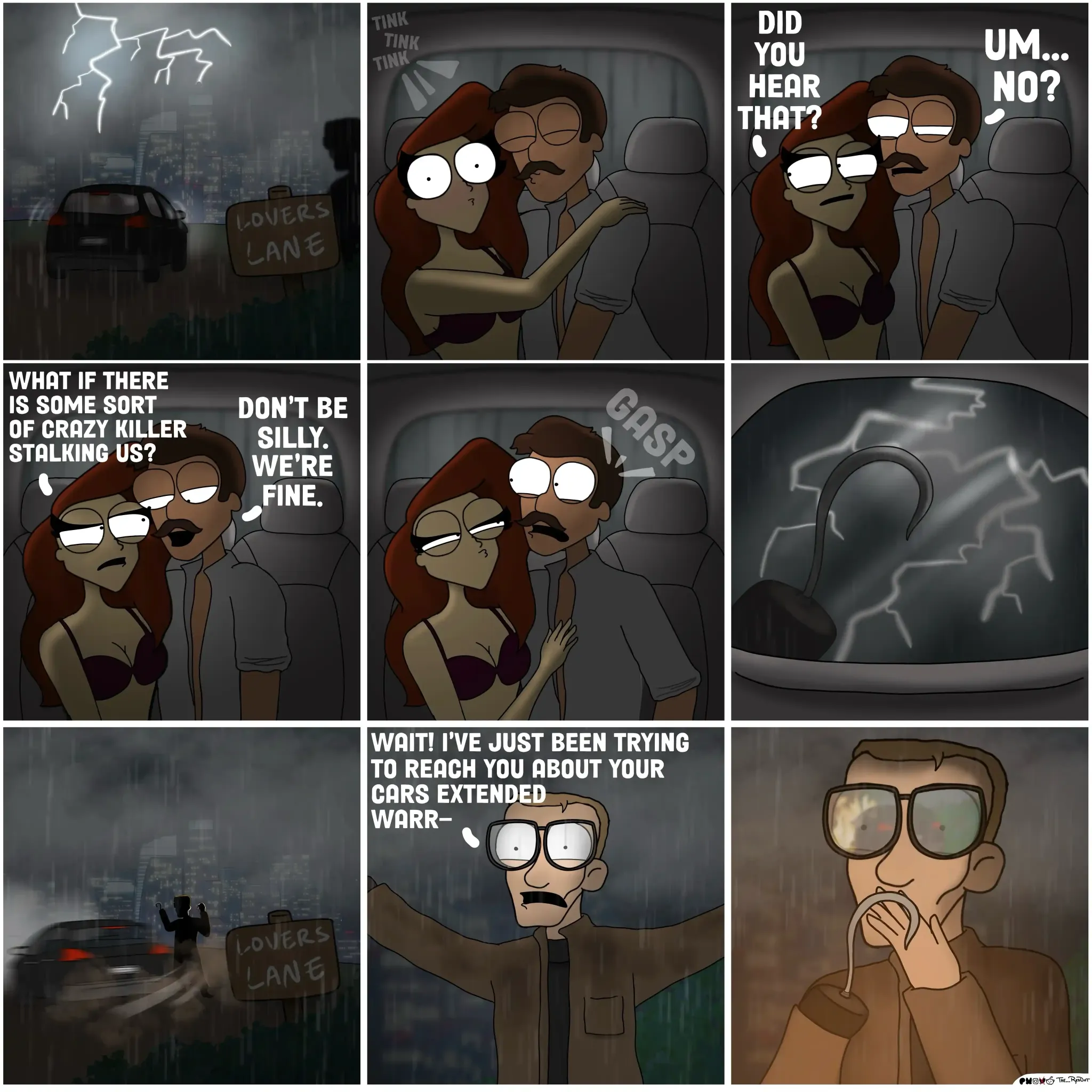
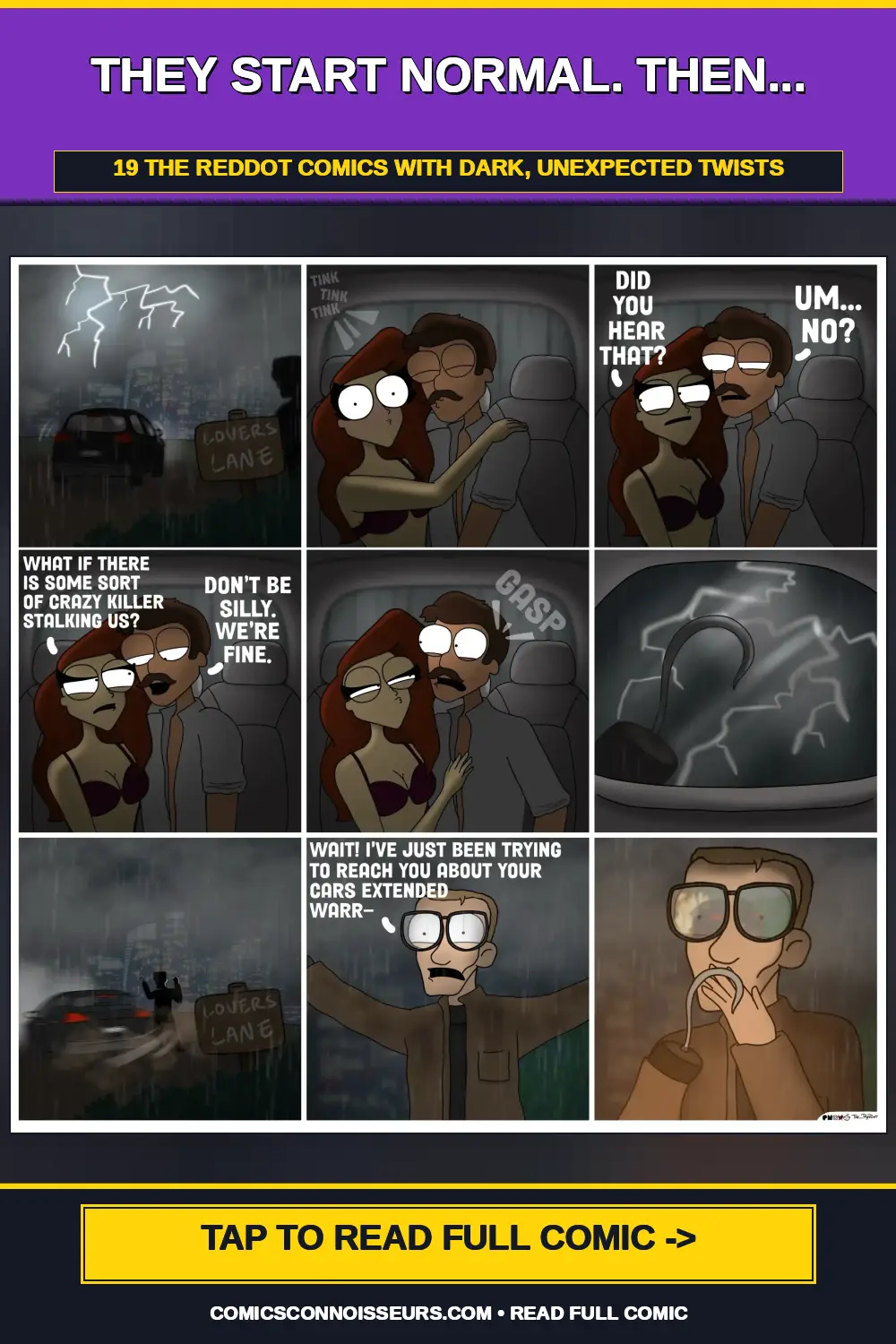
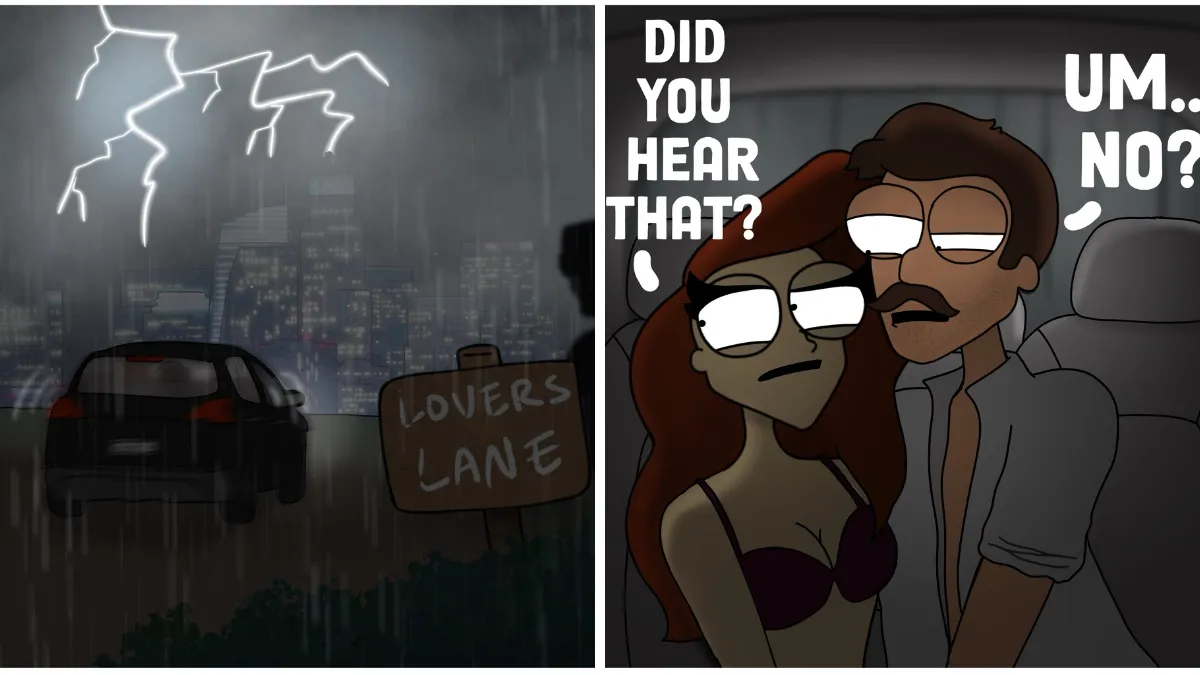
The storm and roadside sign promise a thriller; the stranger’s car-warranty pitch instantly turns the apparent danger into a sales call.
#3
#4
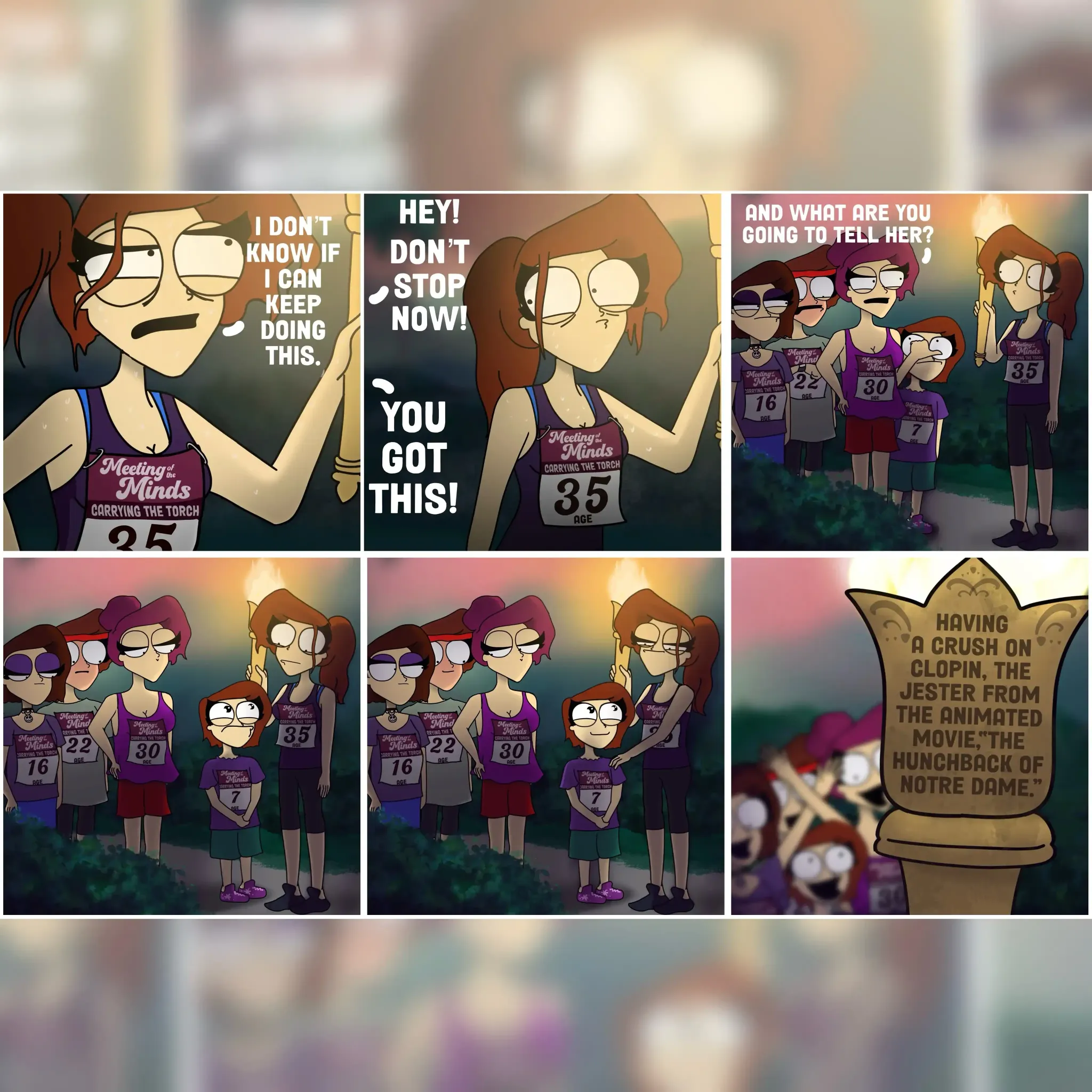
A sincere pep talk ends with a reveal about Clopin, turning a race-day scene into an unexpected pop-culture confession.
#5
#6
#7
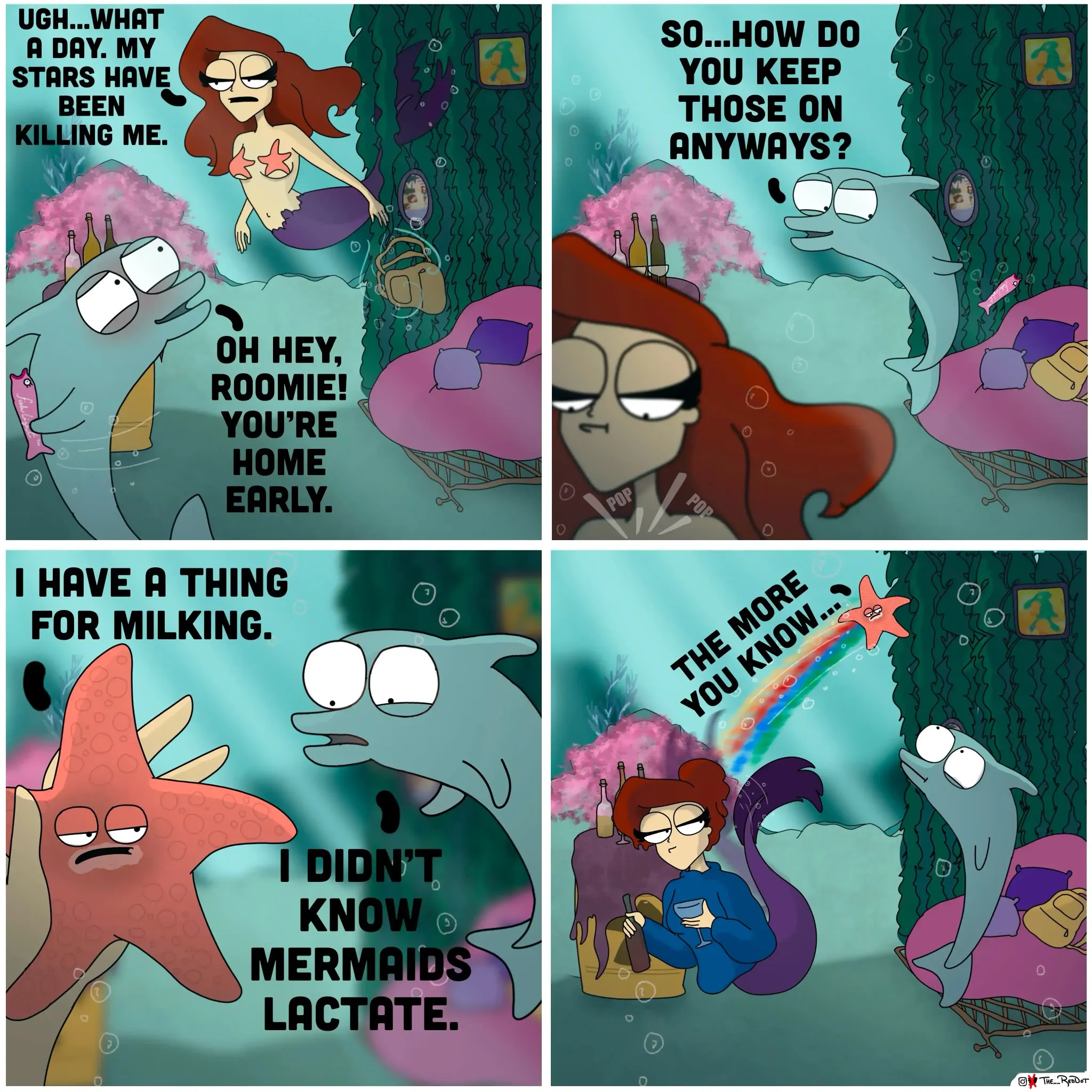
The underwater chat treats an awkward biological fact as ordinary roommate conversation, then lets the starfish deliver the bluntest line.
#8
#9
#10
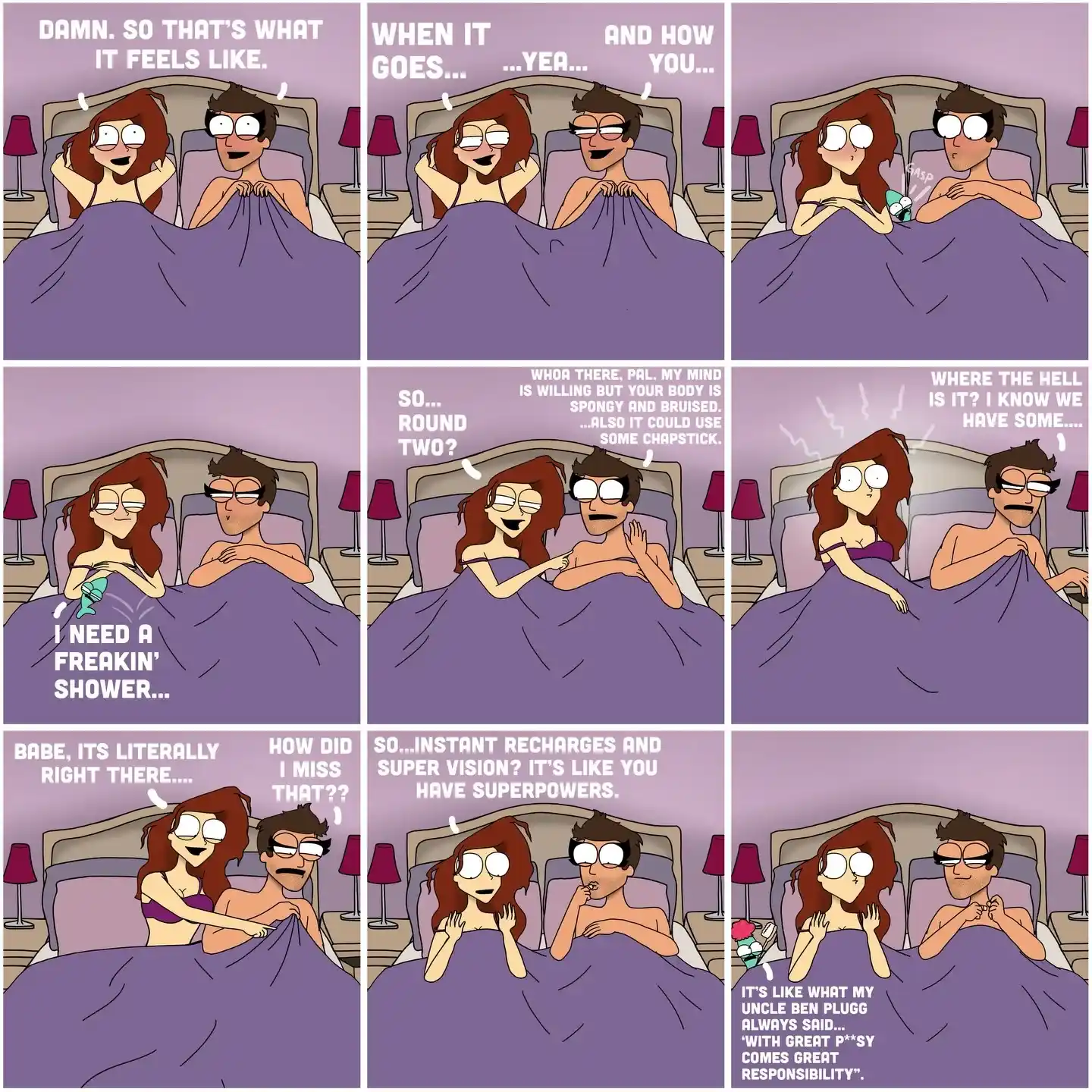
A post-hookup exchange escalates into superhero wordplay, with a familiar power-and-responsibility slogan repurposed for an unmistakably adult punchline.
#11
#12
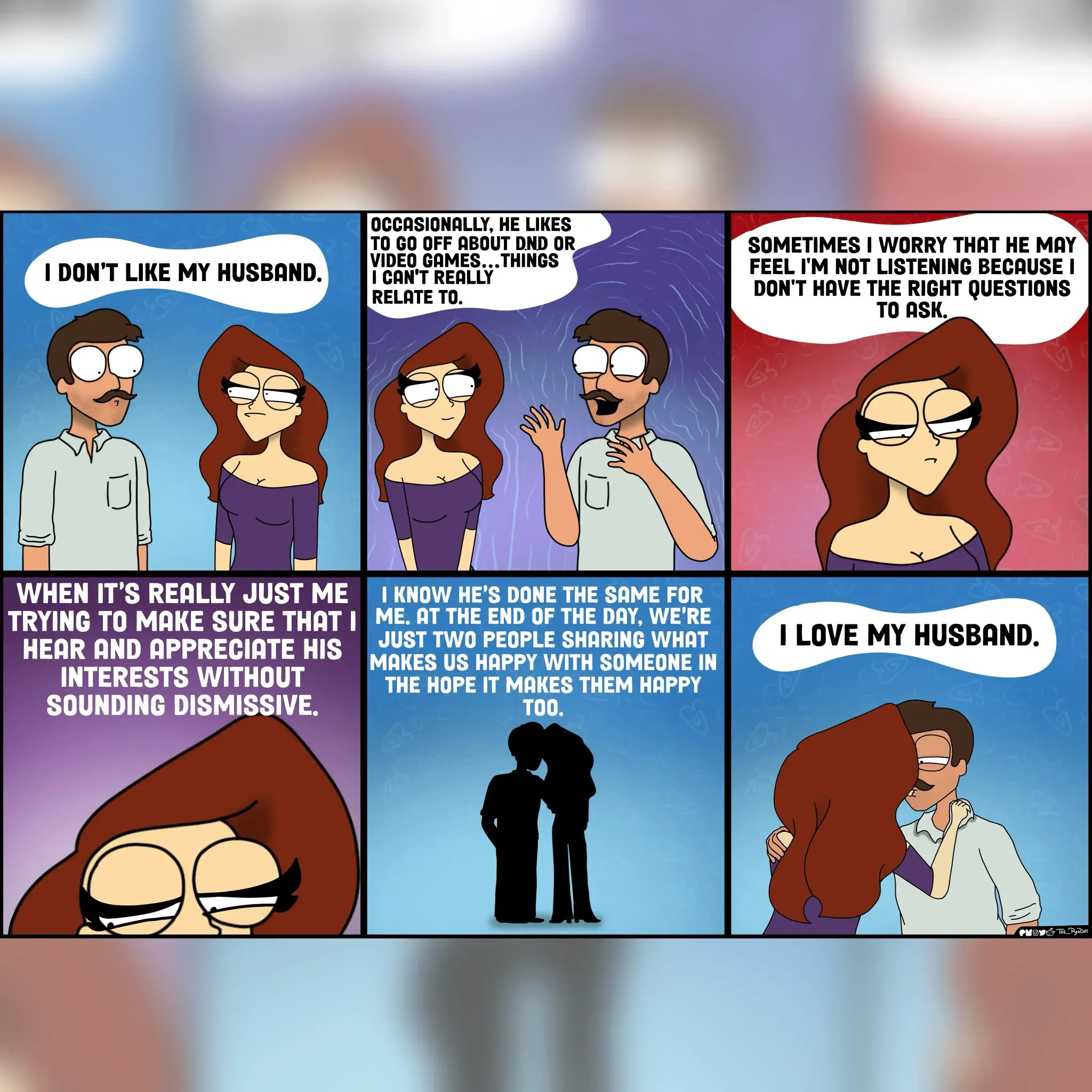
The opening sounds like a marriage complaint, but the panels reveal a more generous effort to understand a partner’s hobbies.
#13
#14
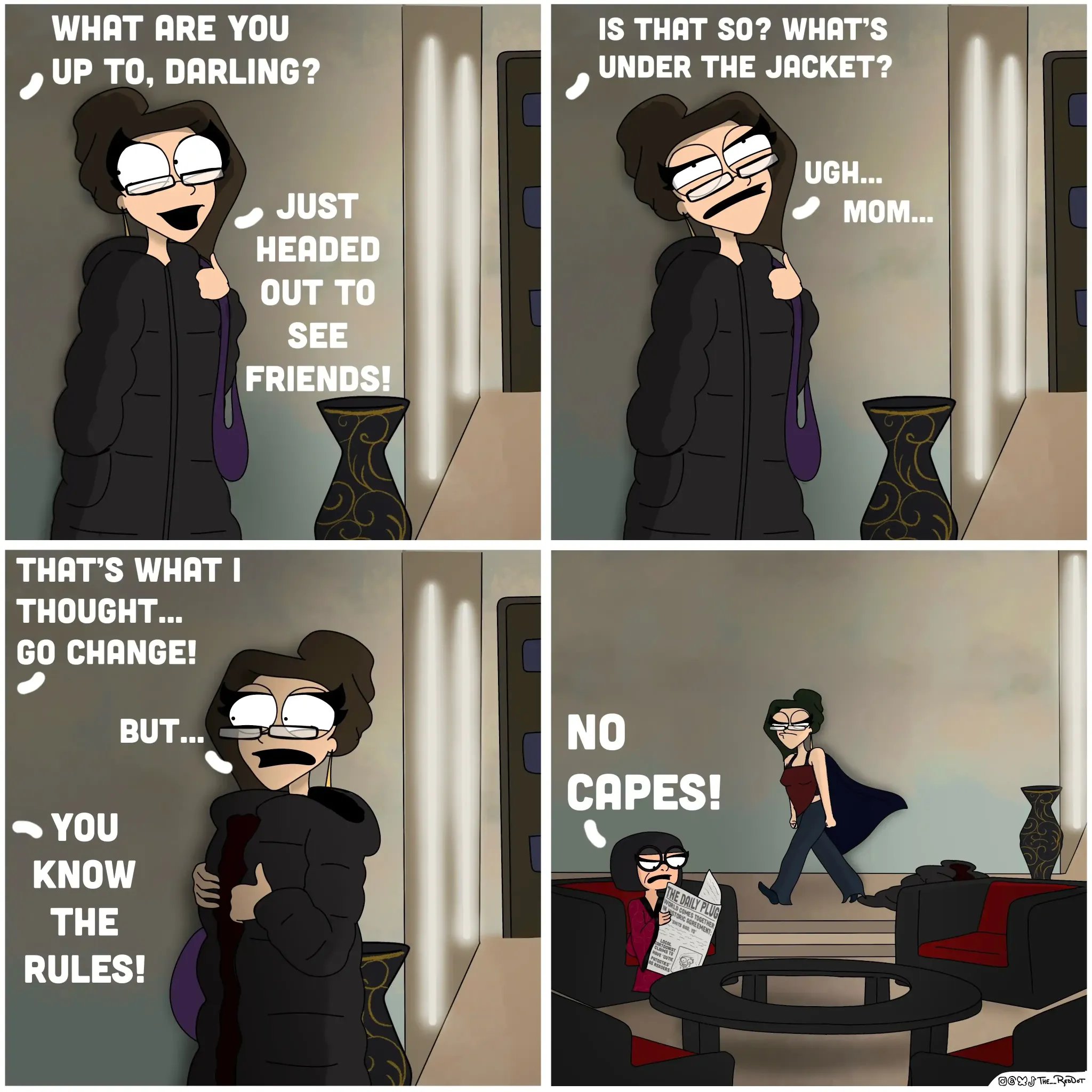
A superhero costume appears beneath an ordinary coat; the seated character’s absolute “no capes” rule supplies the punchline.
#15
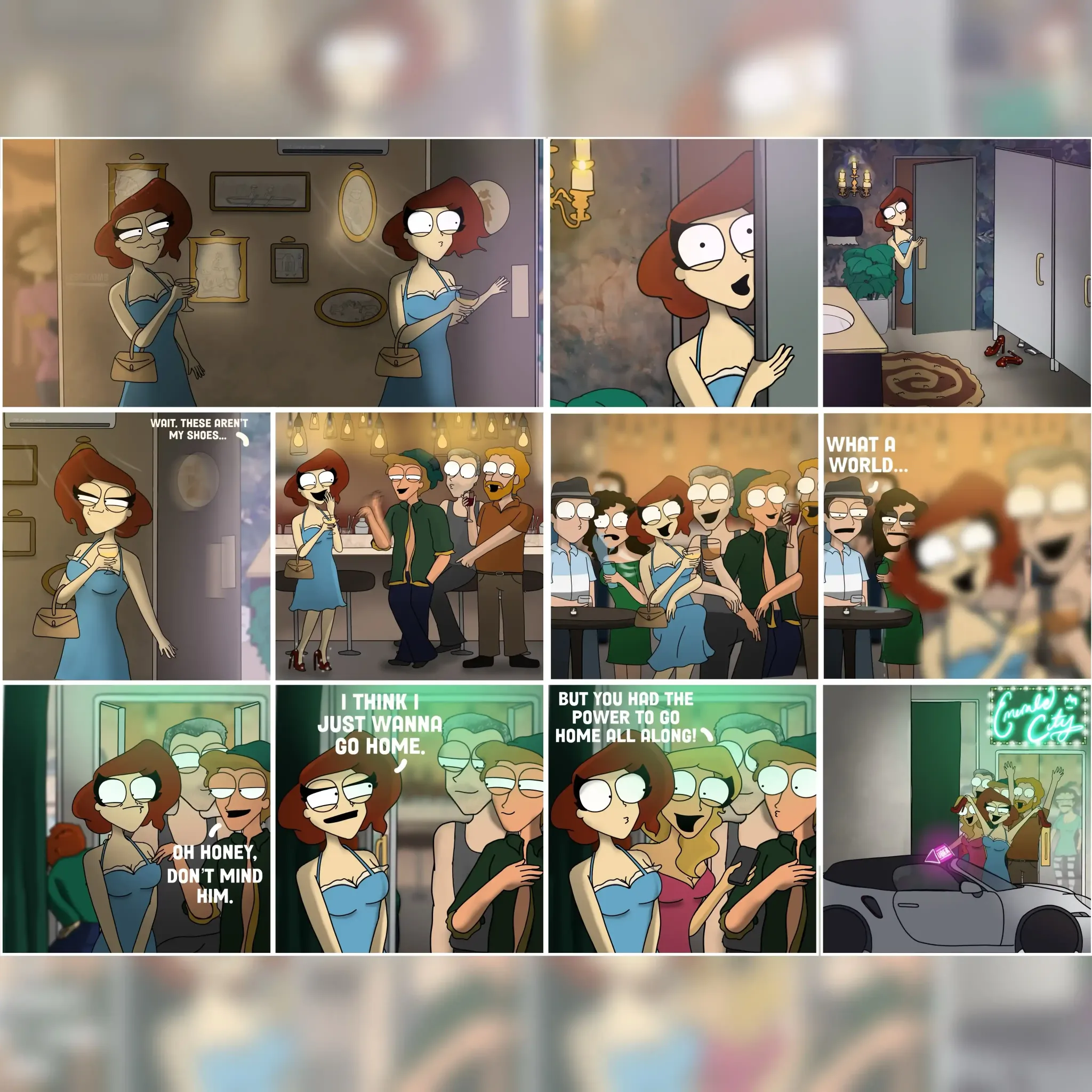
#16
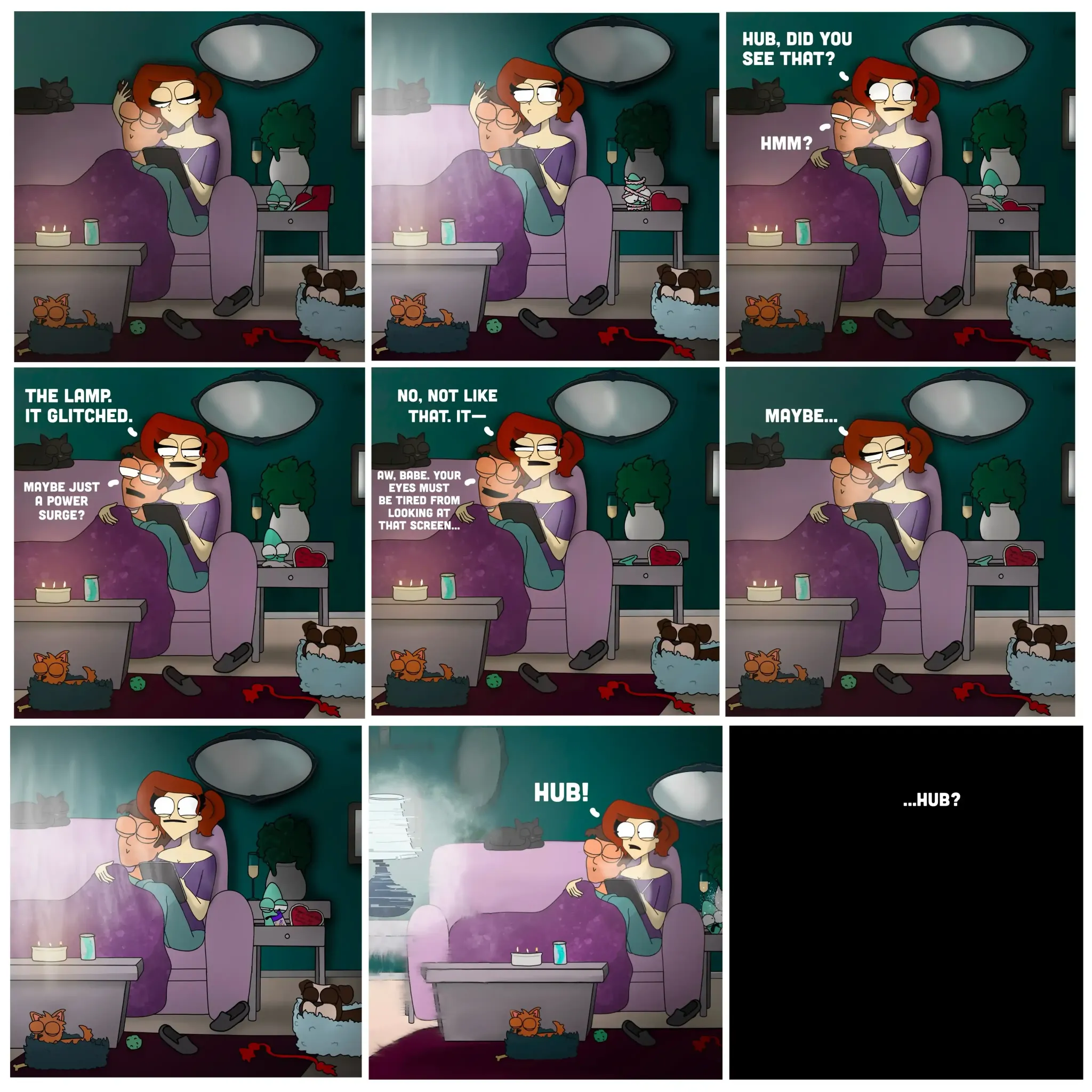
#17
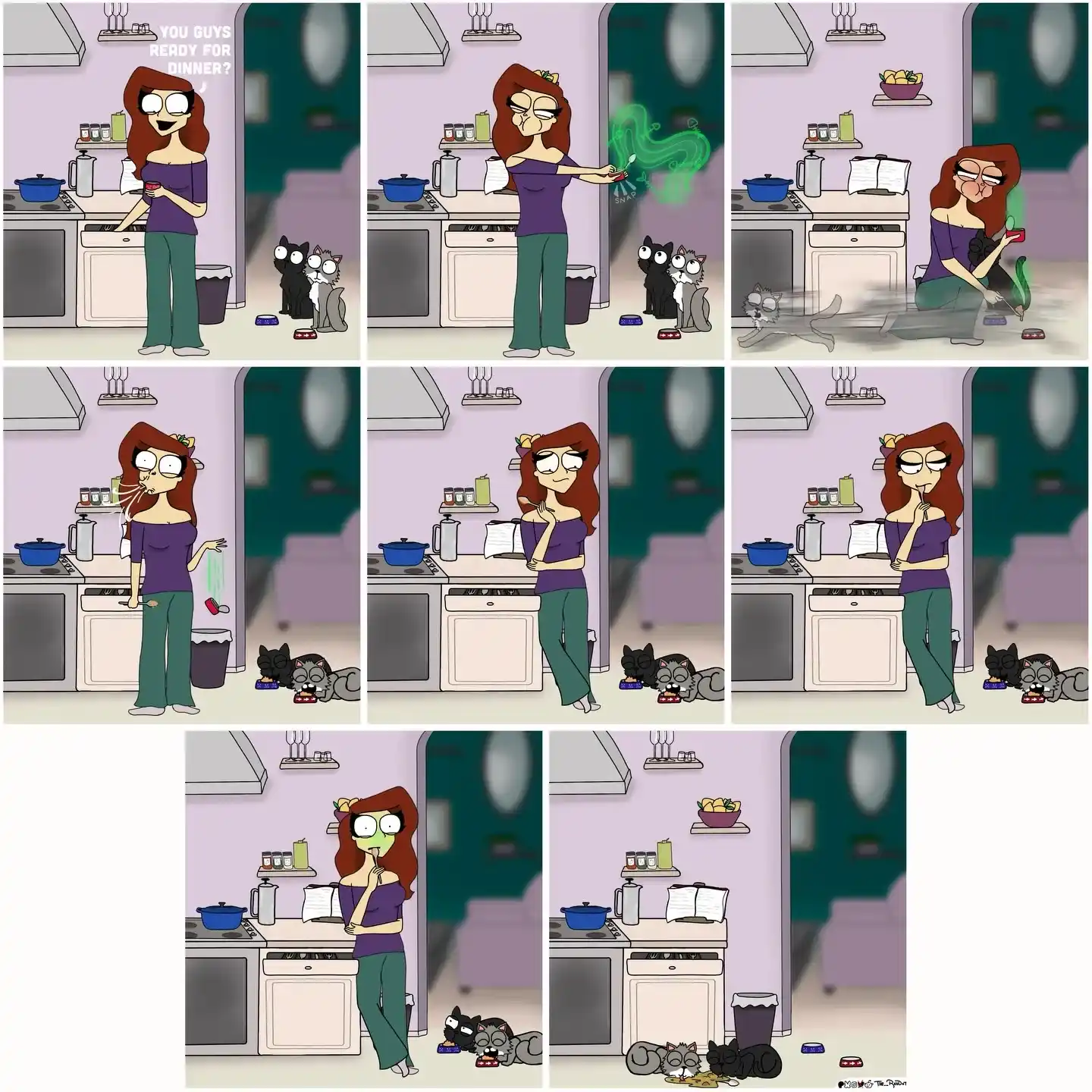
#18
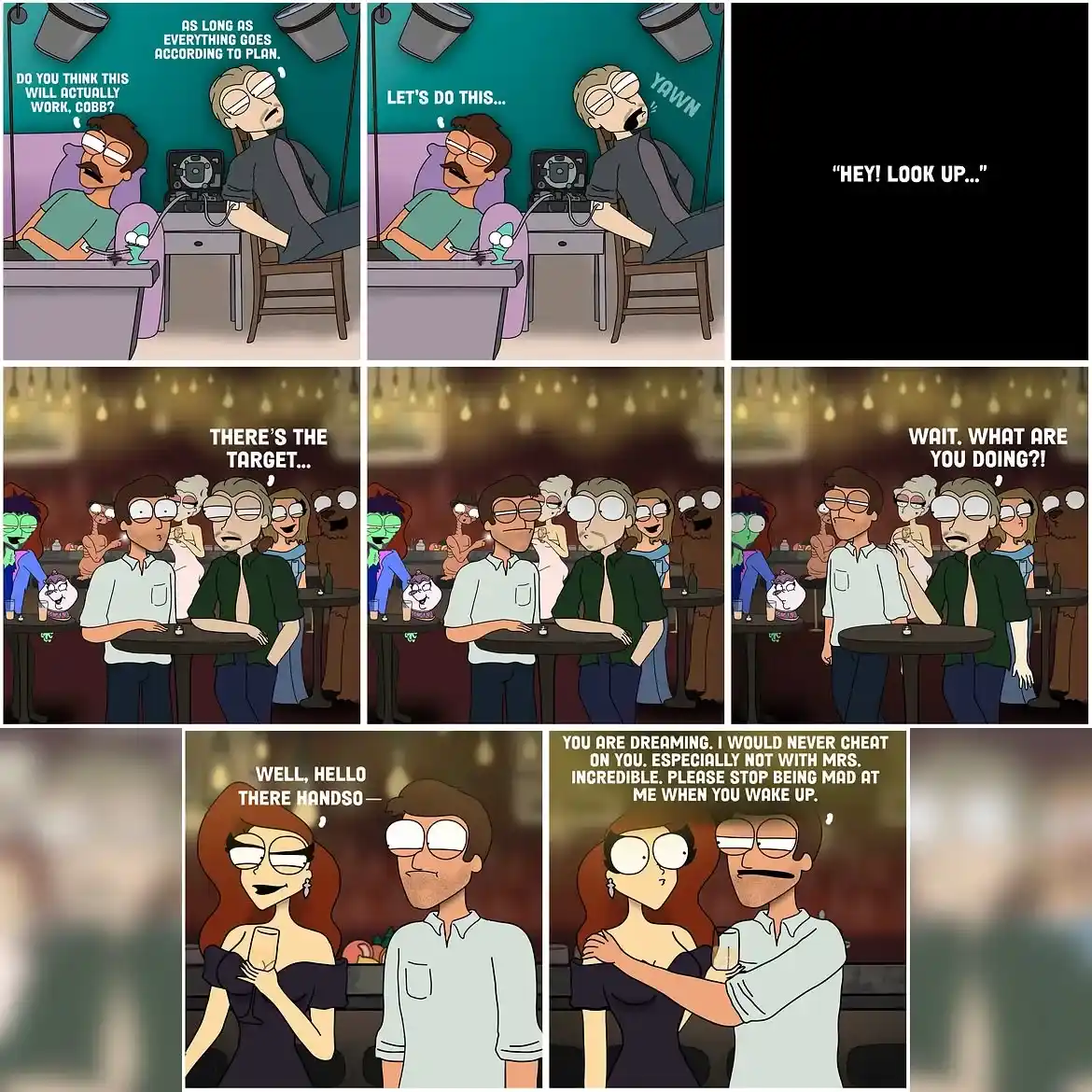
The bar scene plays out like a fantasy, until the man tries to dismiss it as a dream when confronted.
#19
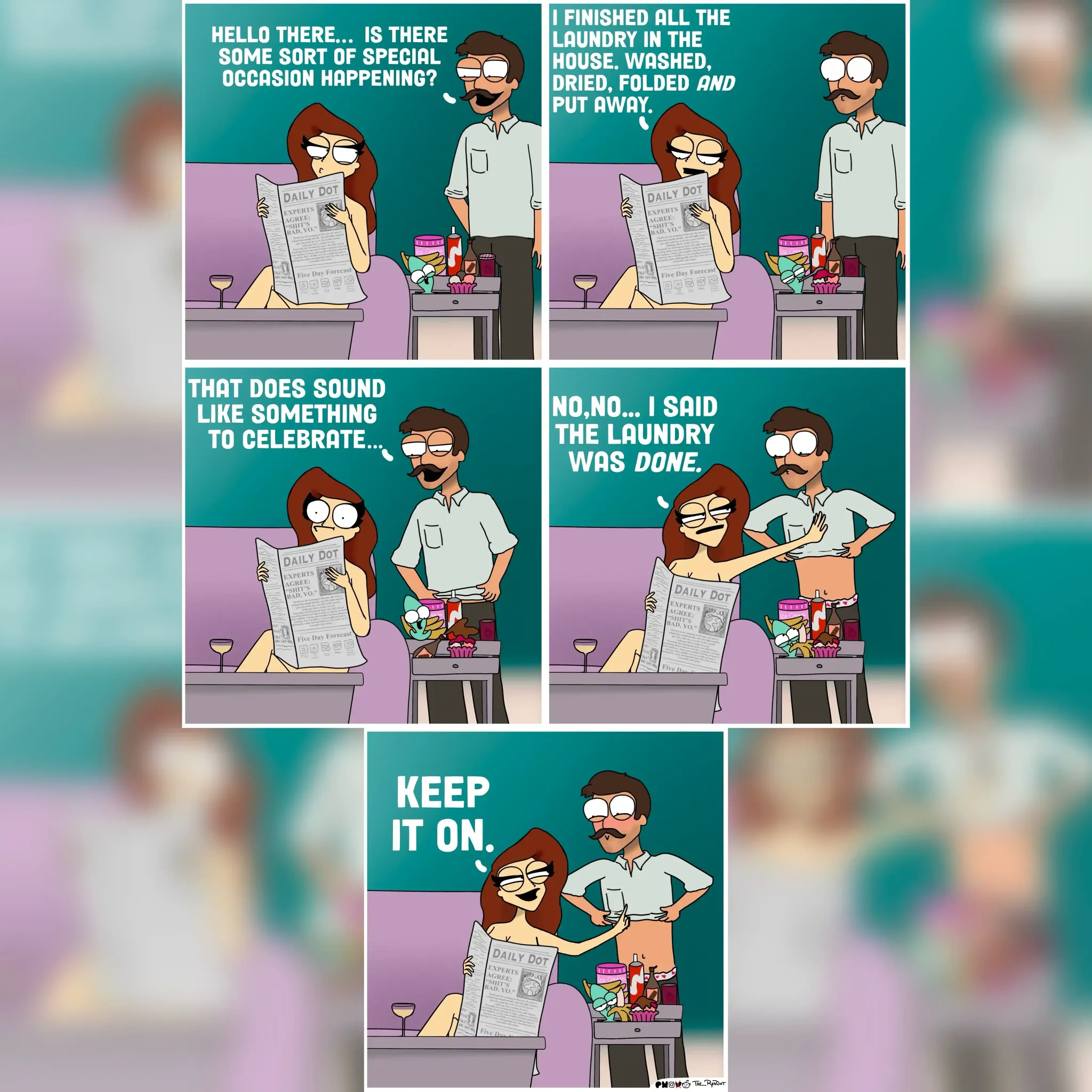
The phrase “the laundry is done” is deliberately misread; the final panel makes the double meaning impossible to miss.
Who is the artist behind these comics?
Kim Winder says The RedDot Comic began in 2018, when she set herself a year-long daily drawing challenge and posted the work online. Her official About page describes that beginning, and the site links to Instagram, Facebook, X, YouTube, and TikTok. Current follower totals could not be verified directly, so no numerical audience claim is included.
For more background, see our earlier feature on The RedDot.
Which twist stuck with you the most?
Which reversal worked best for you: the fake thriller, the superhero wordplay, or the laundry double entendre?
📖 Comic Transcript, Scene Description & Humor Notes (Click to Expand)
How are the scenes and visuals set up?
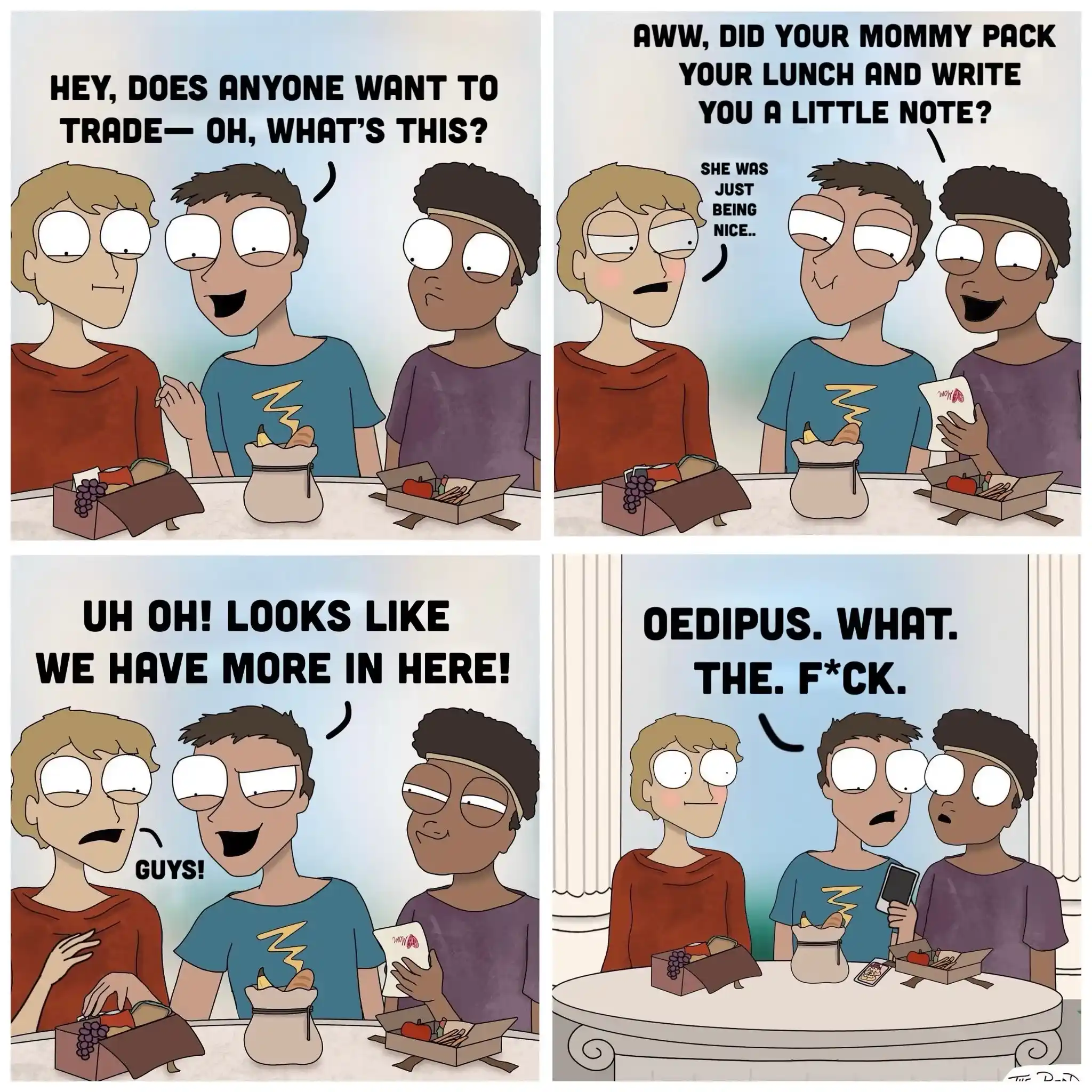
Across these RedDot panels, ordinary life gets quietly derailed. Three students huddle at a lunch table, a handwritten note passing between them as one face freezes in awkward dread. Elsewhere, a couple sits in a rain-lashed car while a roadside stranger leans in, and two women at a picnic are interrupted by a cardinal that triggers an emotional family confession. Calm expressions, cozy settings, and familiar body language keep every scene grounded, so the sudden reversal lands like a friendly ambush rather than a shout.
What happens in each panel and line of dialogue?
- Panel 1: Three students at lunch pass a handwritten note, and one character's reaction turns a casual meal into an awkward, unspoken moment.
- Panel 2: A couple in a stormy car braces for a stalker, only for the roadside stranger to launch into a car-warranty sales pitch.
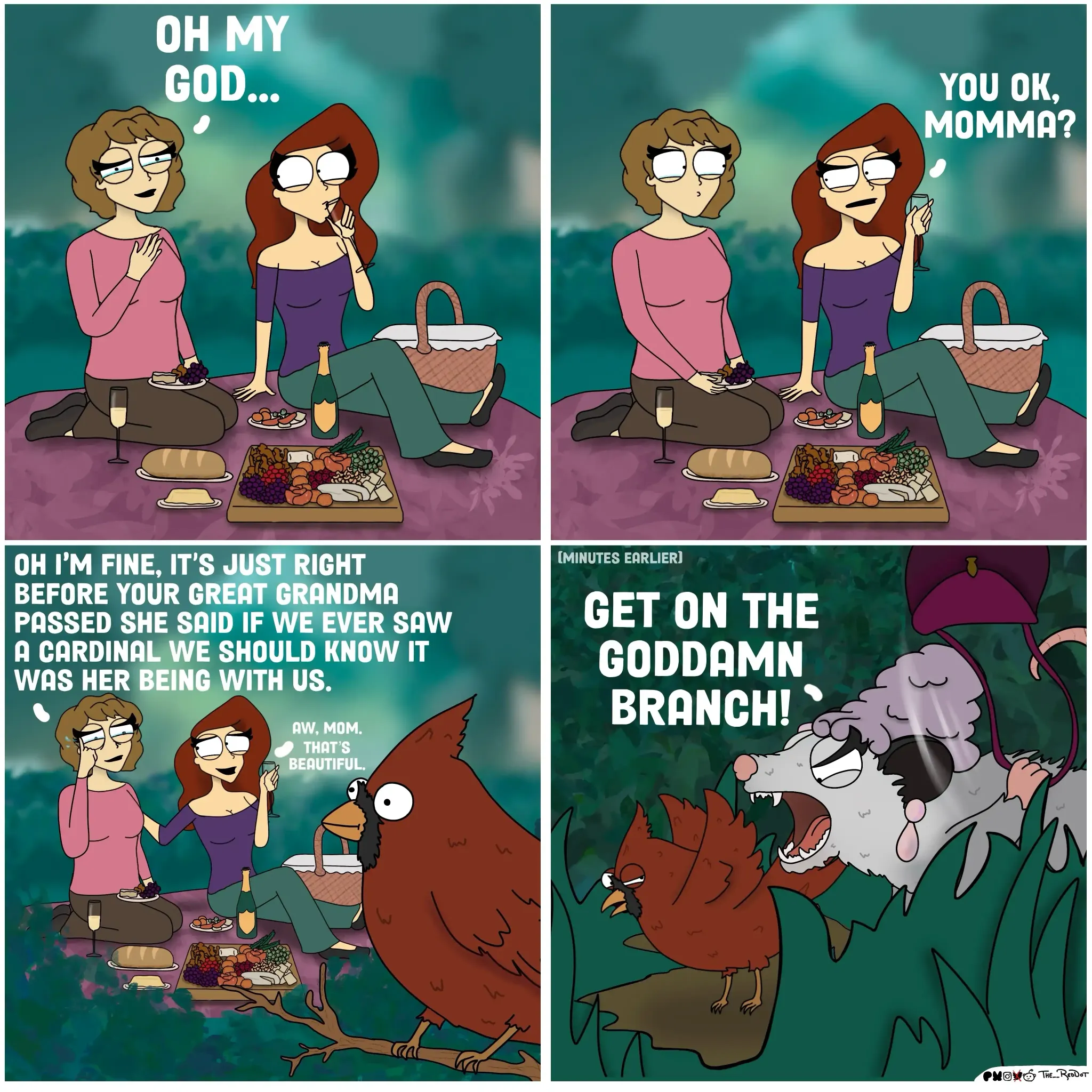
- Panel 3: A picnic chat about a visiting cardinal slides into a heartfelt family story, then snaps back with an impatient shout.
- Panel 4: A runner gets a sincere pep talk that ends with a confession about a fictional crush, flipping race-day encouragement into pop-culture embarrassment.
Why are these comics so relatable?
These strips work because they start where we live: lunch tables, road trips, picnics, and pep talks. The calm, familiar framing lowers our guard, so a single odd detail or blunt line lands harder than any punchline shouted from the start.
🎭 Comic Highlights & Relatable Takeaways
✨ A handwritten note passed between three students at lunch makes one face freeze in awkward dread, turning a casual meal into an unspoken moment.
✨ A couple sits in a rain-lashed car while a roadside stranger leans in, so the apparent thriller setup becomes a car-warranty sales pitch.
✨ The comic's calm expressions and cozy settings keep every scene grounded, making the sudden reversals land like a friendly ambush rather than a shout.
✨ A superhero costume hidden beneath an ordinary coat gets shut down by a seated character's absolute 'no capes' rule.
💬 Comic Q&A & Behind the Scenes
💭 What makes RedDot comics so effective at delivering dark, unexpected twists?
RedDot grounds each strip in ordinary life—lunch tables, stormy drives, picnics—so calm faces and cozy settings lull you into comfort. Then one visual clue or stray line flips the meaning entirely. That contrast between familiar warmth and sudden reversal is what makes the punchline land like a friendly ambush.
💭 Why do Kim Winder's comics often start with such ordinary, everyday scenes?
Because familiarity is the setup. A couple at home or students passing notes feels safe, so readers drop their guard. When a harmless moment veers into adult humor or surreal territory, the whiplash hits harder. Winder uses grounded settings deliberately, letting the reversal do the heavy lifting without any shouting or exaggeration.
💭 How did The RedDot Comic begin, and where can readers follow the artist?
Kim Winder started The RedDot Comic in 2018 with a year-long daily drawing challenge, posting the work online as she went. That habit built the strip's voice. You can follow along through the official site's links to Instagram, Facebook, X, YouTube, and TikTok for new comics and updates.
💭 Who is the artist behind these dark-humor strips, and what themes does she explore?
Kim Winder is the creator of The RedDot Comic. Her strips move between relationship jokes, pop-culture references, surreal scenes, and deliberately awkward exchanges. She's especially strong when a visual clue quietly rewrites a line—like a superhero slogan repurposed for an adult punchline or a laundry phrase with a double meaning.
💭 Where do these comics hide their cleverest twists, and which ones stand out most?
The best reversals hide in plain sight—a costume beneath an ordinary coat, a roadside stranger turning menace into a warranty pitch, or a bar fantasy dismissed as a dream once confronted. The strongest strips let a single detail change everything, rewarding readers who linger on the panels a second time.